

Sierra Leone Government Proposes New ‘State Protection Service’ to Protect The President and VIPs
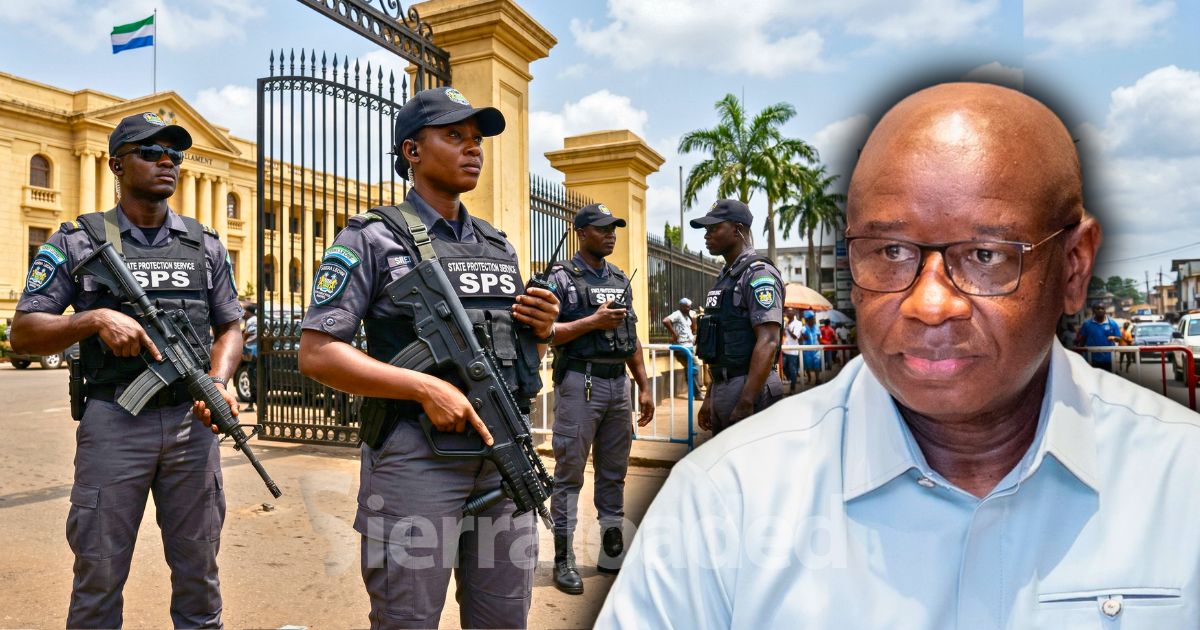
The government of Sierra Leone has introduced legislation to create a dedicated State Protection Service (SPS), a new security unit tasked exclusively with protecting the President, Vice President, former leaders, and other “designated VIPs.”
The proposal is the centerpiece of the newly drafted National Security and Central Intelligence Act, 2025, which was introduced to Parliament on Thursday by Chief Minister David Sengeh. According to the government, the specialized unit will also be responsible for securing critical state facilities.
Chief Minister Sengeh argued that the creation of the SPS is a necessary response to evolving national security threats that surpass the capabilities of traditional policing and military units. These emerging threats include cybercrime, violent extremism, insider intelligence leaks, and hybrid political disruptions.

Defending the bill, Sengeh stated that the SPS is designed to strengthen existing security frameworks rather than replace them. Pointing to the broader national security context, Sengeh noted that the country’s security architecture has already been forced to foil three recent coup attempts, emphasizing the administration’s ongoing focus on making the country safer.

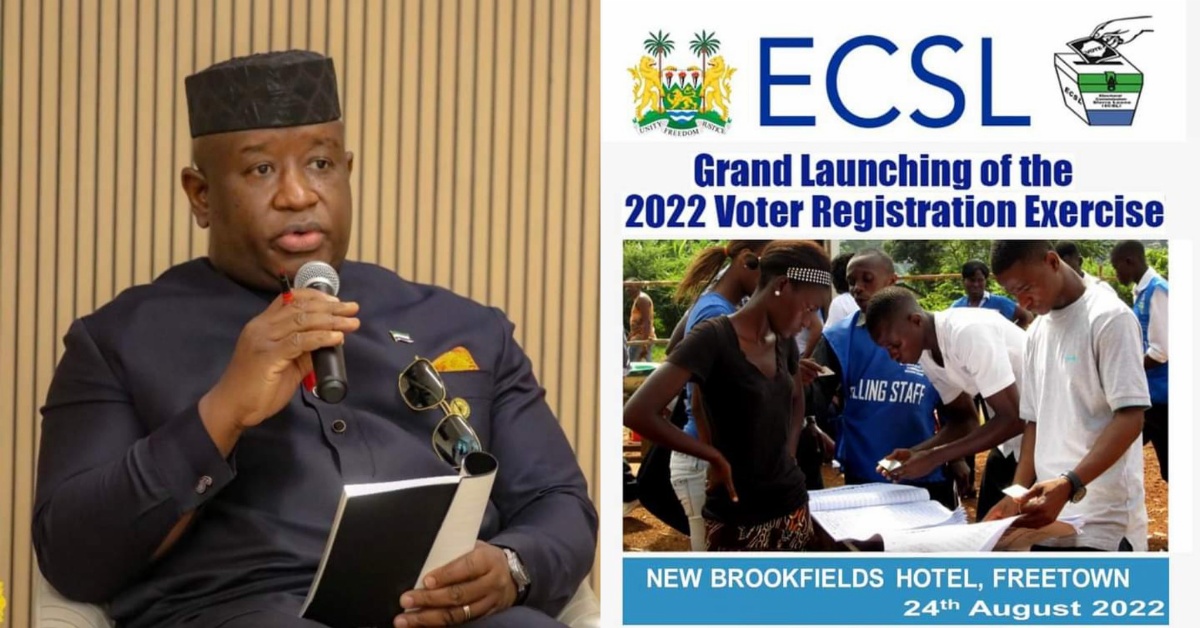
Despite the government’s push for the new protection unit, the bill faced immediate skepticism from lawmakers across the political spectrum, ultimately forcing Parliament to pause its advancement.
Following a robust debate, Members of Parliament flagged several potential issues with the proposed SPS, leading to a motion to send the bill to a legislative committee for deeper review. Key concerns raised during the session included:
Vague Definitions and Scope: Hon. Charles Abdulai warned that the term “designated VIPs” is too broadly defined and could be subject to misuse. He also expressed concern that the SPS would duplicate the roles of existing, overlapping security bodies.
Risk of Politicization: Deputy Leader of Government Business, Hon. Bashiru Silikie, cautioned that the new unit could easily become politicized. He urged that any appointments to the SPS be strictly merit-based and professional, warning against fixed terms that might incentivize political loyalty over state security.
Inappropriate Penalties: Leader of Government Business, Hon. Matthew Sahr Nyuma, broadened the criticism beyond the SPS, questioning provisions in the bill that would allow financial fines for national security offenses. He argued that such breaches are too severe to be resolved through monetary penalties.
The National Security and Central Intelligence Act, 2025 is intended to repeal and replace the 2023 version of the law. It currently remains with the legislative committee for further scrutiny and structural revisions before it can proceed to a final vote.
Oh salone ,they’re finding ways to protect themselves, when they most been out of power, after all the evil,bad governance, corruption etc they must have done against us,without no questioning.
Very unserious politicians.