

More Than a Name: Why President Bio Stood Out on The Global Stage in Miami
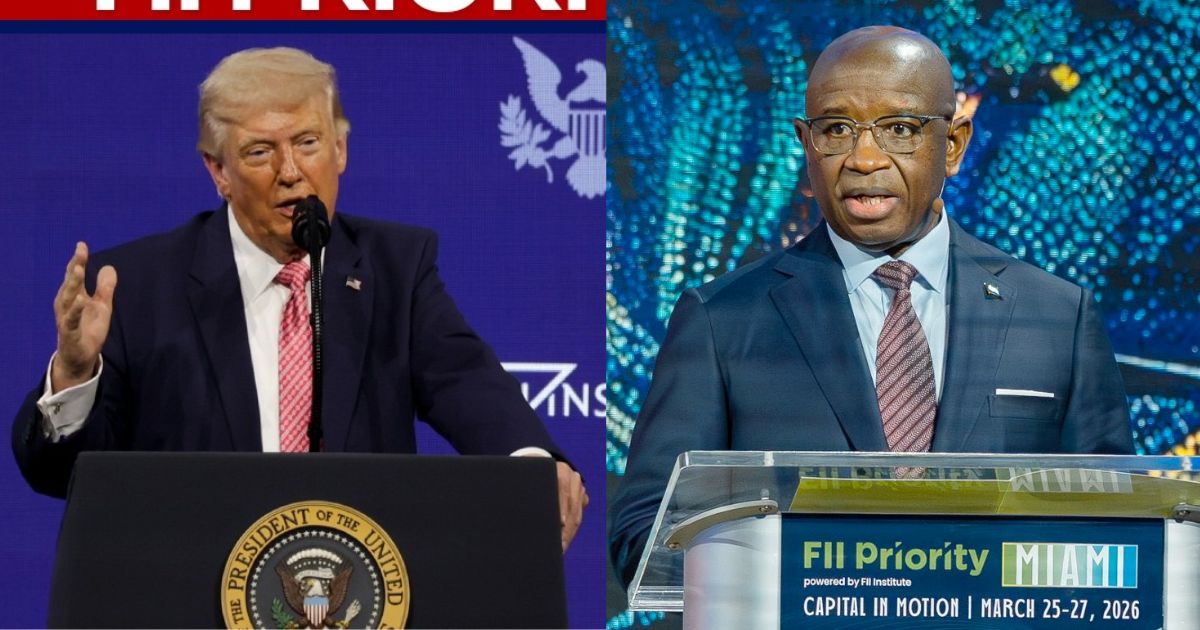
At high-level global forums, recognition is rarely accidental. When Donald Trump mentioned President Julius Maada Bio at the Miami investment gathering, while many other leaders went unmentioned, it was not about the name itself, but about what that name has come to represent on the global stage.
In recent years, President Bio has carefully crafted a clear and consistent narrative around Sierra Leone’s development priorities. At the center of that narrative is human capital development, an emphasis on education, youth empowerment, and food security. This clarity of message matters. In rooms filled with competing voices, leaders who articulate a focused, coherent vision are far more likely to be remembered, quoted, and referenced.
Equally important is visibility. President Bio has maintained a steady presence at major international platforms, from global summits to multilateral engagements. This sustained exposure has elevated him from being just another participant to becoming a recognizable and credible voice among world leaders, investors, and development partners. By the time of the Miami forum, his message was not new, it was already resonating.

This visibility has been matched by a deliberate effort to reposition Sierra Leone itself. Increasingly, the country is being framed as a reform-oriented economy and an emerging investment destination, particularly in sectors such as agriculture, energy, and human capital development. In such contexts, referencing President Bio is not merely a personal acknowledgment, it is a subtle signal to investors and partners about opportunity and openness.
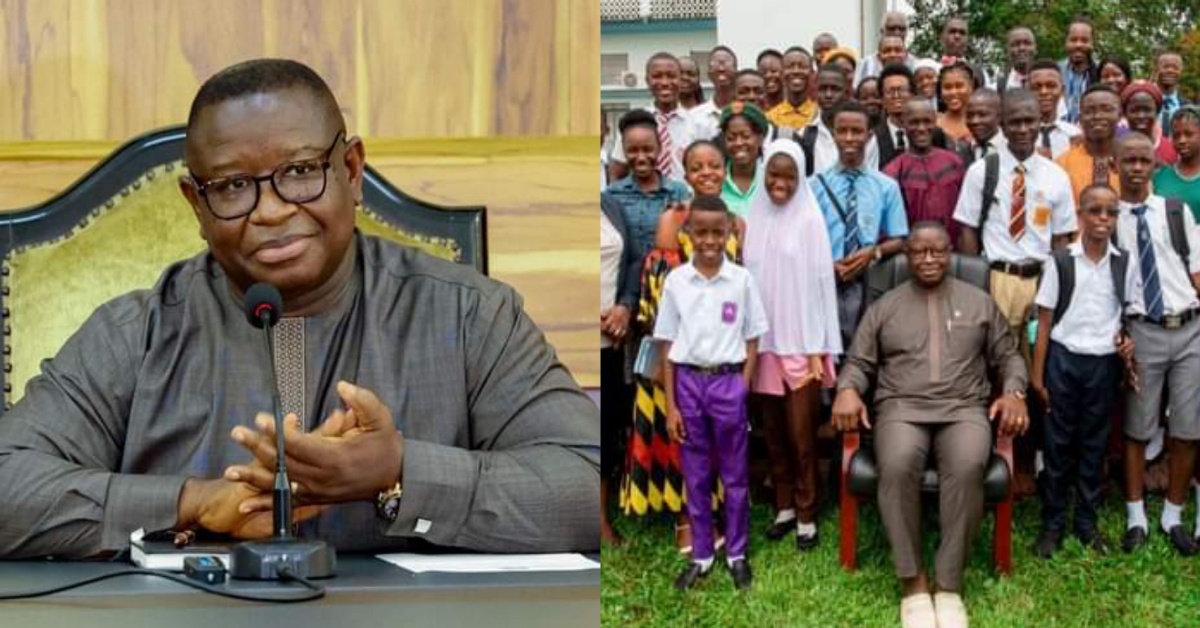
There is also the factor of presence. President Bio’s delivery, direct, confident, and anchored in both values and economic logic, allows him to connect across different audiences. In high-stakes environments where many leaders compete for attention, the ability to combine substance with strong personal presence often determines who stands out.
Finally, moments like these are rarely devoid of strategy. Mentions at global forums can reflect broader diplomatic signaling, highlighting regions, reinforcing partnerships, or acknowledging leaders whose priorities align with prevailing global agendas. In this case, it also underscores a growing recognition of Africa’s role in shaping future economic and development conversations.
Ultimately, what made the difference in Miami was not simply the mention of a name, but the weight behind it. Today, the name Julius Maada Bio increasingly carries associations of reform, human capital investment, and emerging opportunity. In global spaces where perception shapes partnerships and attention drives investment, that distinction matters.