


 Post a comment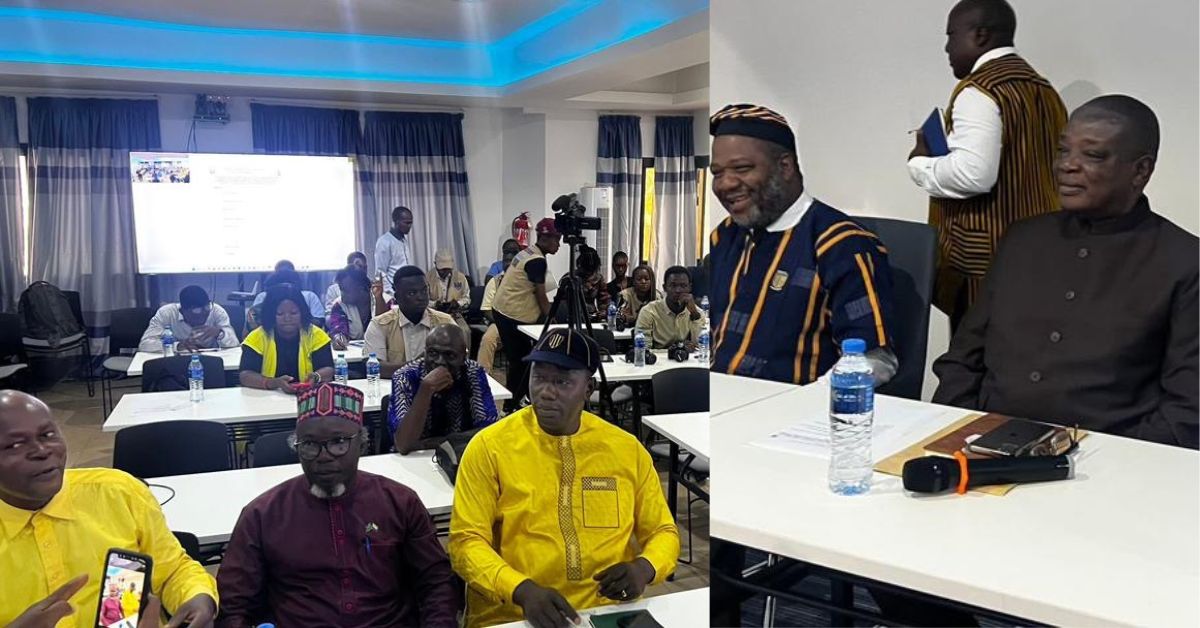
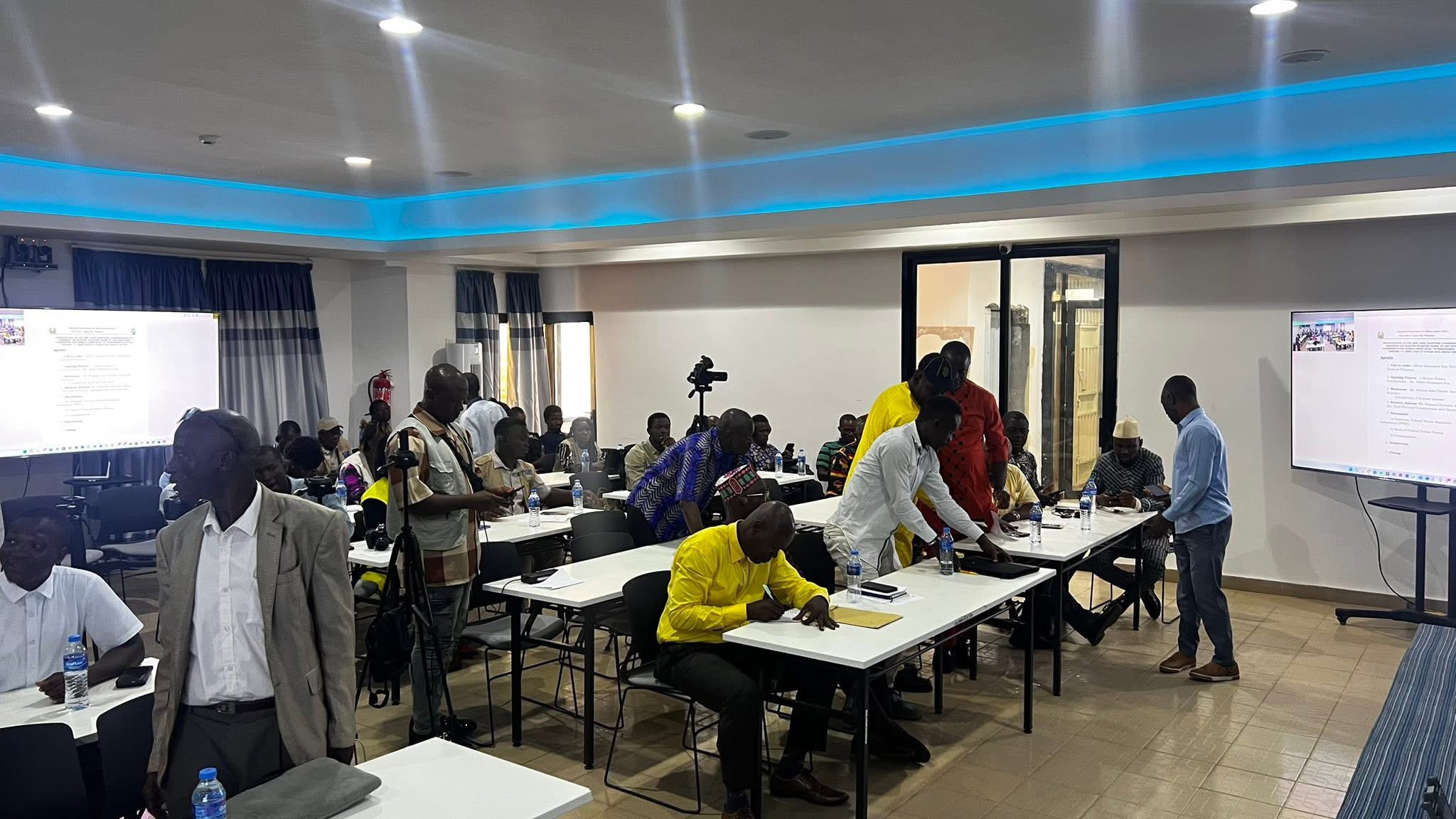
The newly appointed Chairman of the Electoral Commission for Sierra Leone, Edmond Sylvester Alpha, has engaged political party leaders and representatives, calling for sustained dialogue, transparency, and collective responsibility in strengthening Sierra Leone’s electoral process ahead of the 2028 elections.
Delivering what he described as a conciliatory and diplomatic address to political parties on April 1, 2026, Chairman Alpha said the engagement marked “a demonstration of commitment to dialogue,” stressing that “dialogue remains the foundation upon which enduring democratic trust is built.”
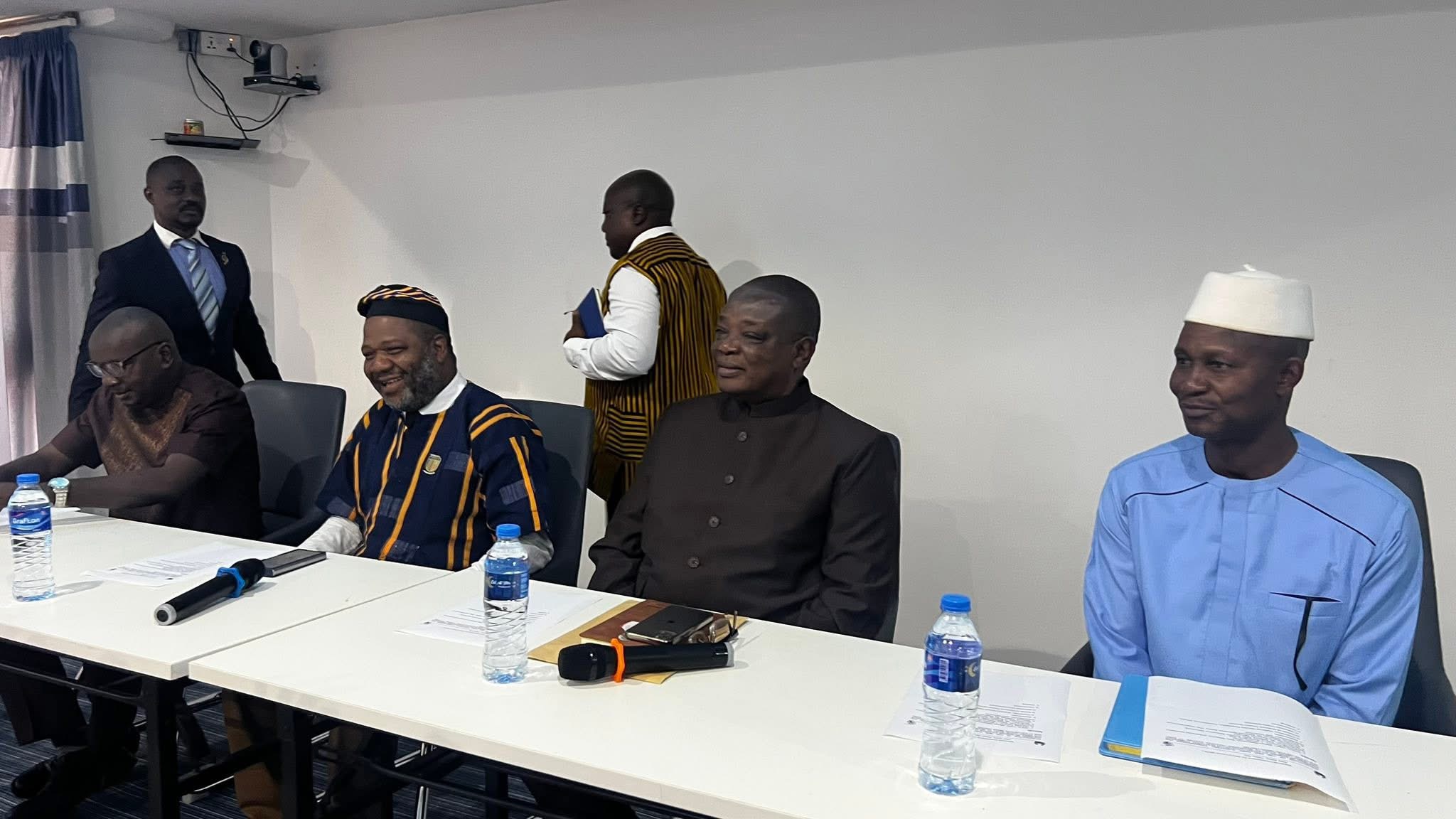

Speaking at what he called “a defining moment in our nation’s democratic journey,” Alpha noted that Sierra Leone has made “remarkable progress in consolidating peace and building democratic institutions” over the past two decades. He referenced successful elections held in 2007, 2012, 2018, and 2023 as evidence of the country’s resilience and “a shared belief in the power of the ballot over conflict.”
He emphasized that such gains “do not belong to any one institution or political party-they belong to the people of Sierra Leone,” adding that it is a shared duty to protect and deepen them.
Addressing recent tensions among political stakeholders, Alpha said he approached the moment “with humility and a deep sense of responsibility-not to defend positions, but to build understanding; not to win arguments, but to restore confidence.”
He reaffirmed what he described as a fundamental principle guiding the Commission, stating that the ECSL “exists to serve all Sierra Leoneans equally” and “is not aligned to any political interest.” He added that the Commission does not determine political outcomes but rather provides “a credible, transparent, and accountable process through which the will of the people is freely expressed.”
“The voters determine the outcome of elections. The Commission only gives effect to that choice,” Alpha said, noting that this principle must remain a shared anchor for all stakeholders.
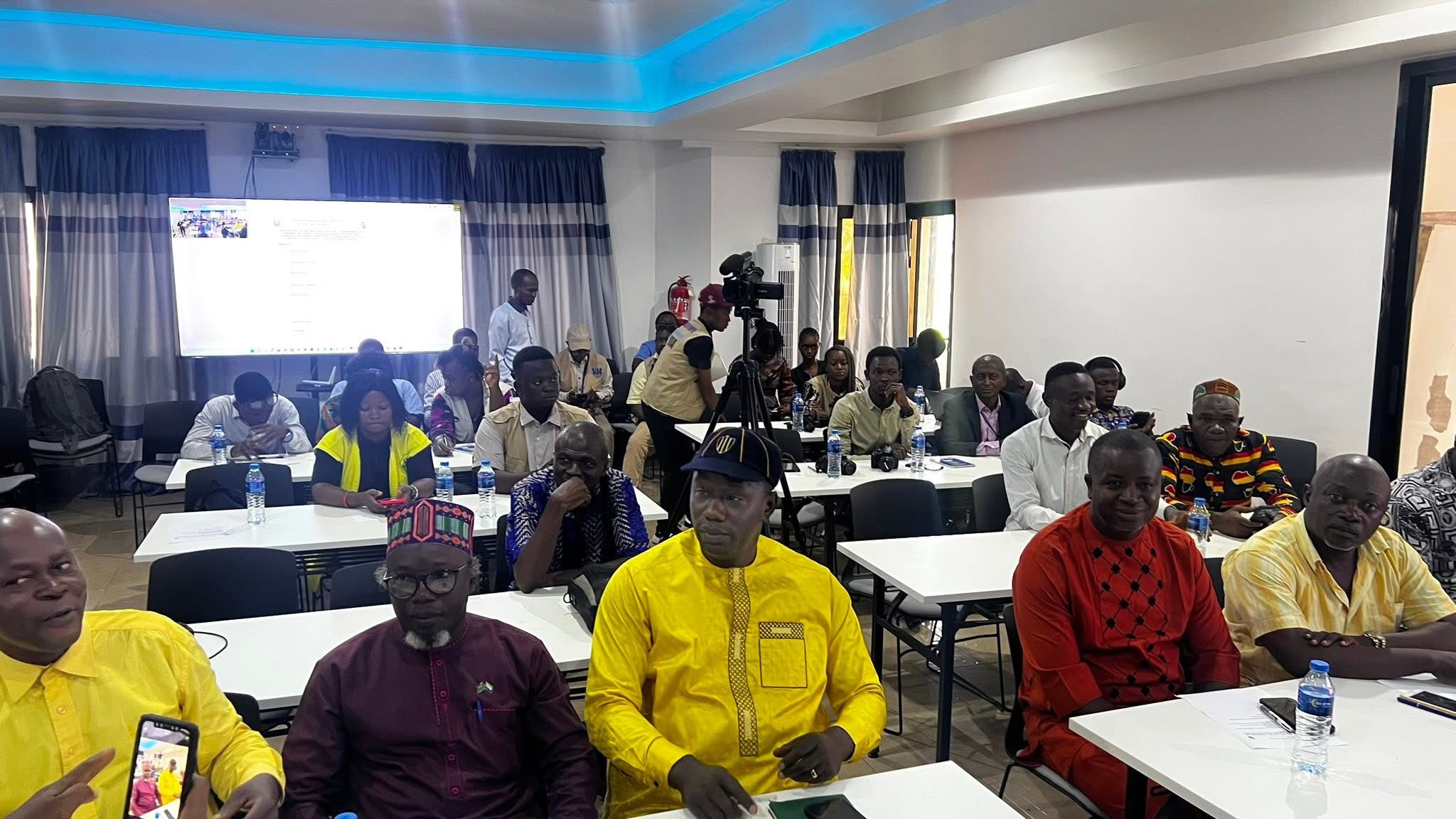
The ECSL Chairman also acknowledged concerns raised by political parties, stating that such concerns are “legitimate contributions to strengthening our electoral system.” He assured that the Commission is ready “at any time to listen, to engage, and to work together toward solutions.”
Alpha stressed that electoral integrity goes beyond election day, encompassing legal frameworks, operational preparedness, civic education, inclusion, transparency, and dispute resolution mechanisms.
He pointed to reform recommendations emerging from national consultations, including the Tripartite engagement process, as opportunities for “collective improvement, not division.”
According to the Chairman, these reforms call for strengthening transparency in electoral operations, inclusive stakeholder engagement, legal clarity in election administration, timely public communication, and trust-building measures among political actors.
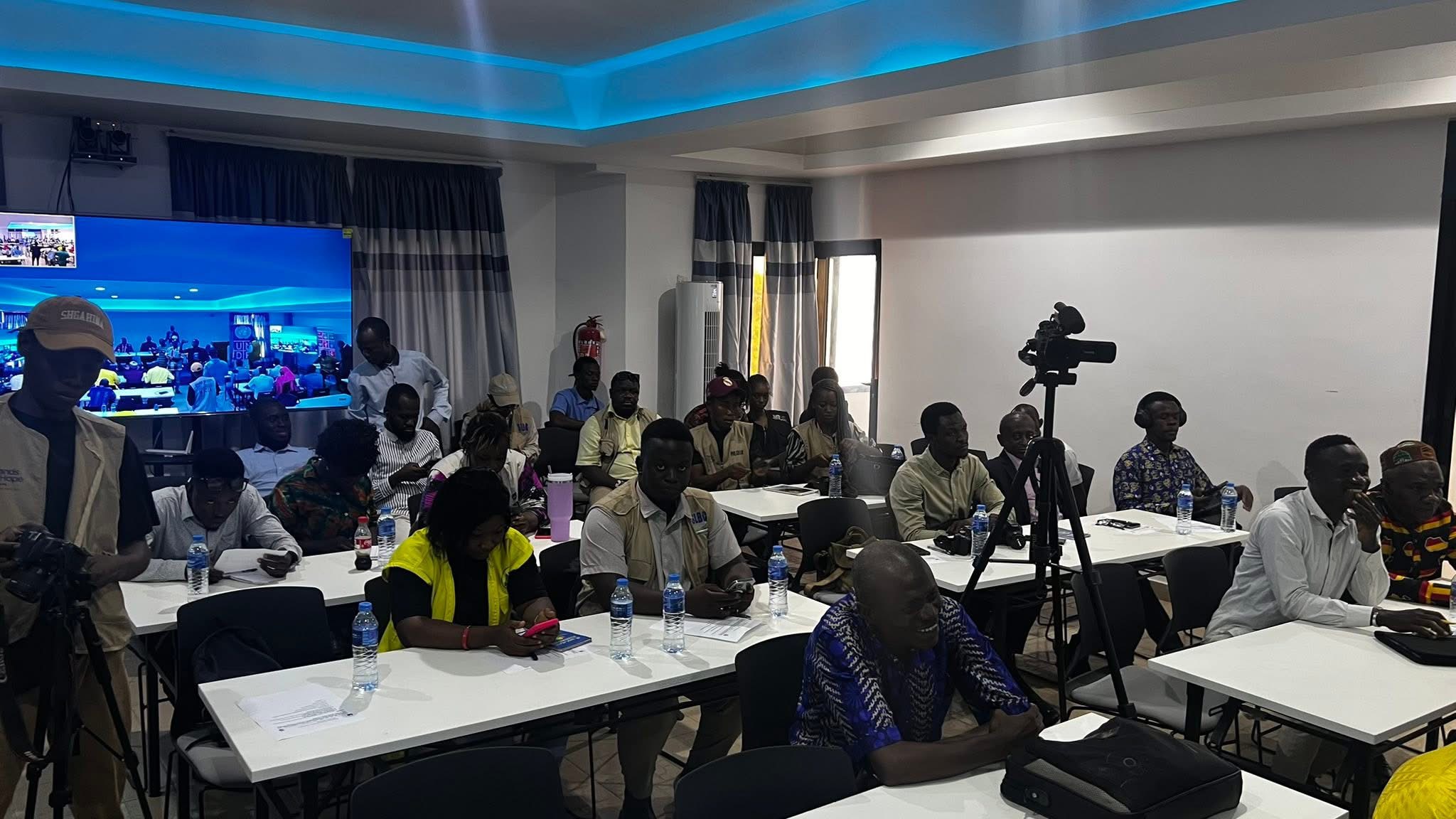
He said the success of these reforms would depend not only on the Commission but also on the willingness of political actors to participate constructively in shaping and implementing them.
With less than two years before the 2028 multi-tier elections, Alpha warned of a “narrow but critical window to act,” highlighting key processes such as boundary delimitation, voter registration, electoral planning, and civic education as urgent priorities that must be carried out in an inclusive and transparent manner.
“This cannot be achieved in isolation. It requires partnership. It requires patience. And above all, it requires a shared commitment to the national interest,” he said.
As part of a proposed way forward, Alpha announced plans to reinforce the Political Parties Liaison Committee as a standing inter-party dialogue and consultation forum. He also proposed the creation of joint technical working groups involving party representatives, the development of a shared electoral roadmap to 2028, strengthened communication channels, and a collective commitment to peaceful engagement and democratic participation.
“Our democracy is strongest not when we agree on everything-but when we remain committed to working together despite our differences,” he told political leaders.
He urged stakeholders to use the current moment “not to deepen divisions, but to rebuild trust,” adding that political actors should move forward “not as adversaries, but as partners in a shared national project.”
Alpha concluded by extending “a hand to all political parties-without exception-in the spirit of dialogue, respect, and cooperation,” expressing confidence that collective efforts would strengthen democracy, safeguard peace, and uphold the will of the people.
The address forms part of the ECSL Chairman’s initial engagements with political stakeholders following his recent appointment, as the Commission begins early preparations toward the 2028 electoral cycle.


