Post a comment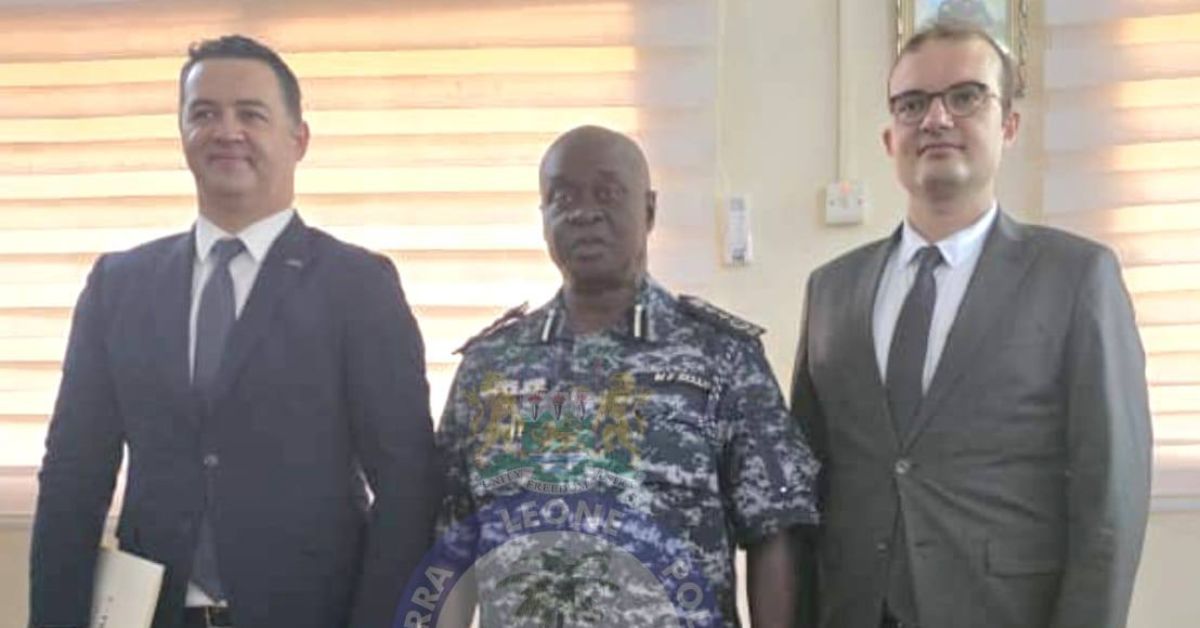
The Sierra Leone Police(SLP) is set to deepen its transition toward modern, intelligence-led policing following a fresh training offer from Turkish Cooperation and Coordination Agency (TİKA).
The proposal, delivered during a high-level engagement in Freetown, signals a shift from routine capacity building to more specialised, future-facing policing skills-particularly in areas where crime is rapidly evolving.
Speaking during the meeting, TİKA’s Country Director, Mirzet Muezzinoglu, outlined a broad package of over 100 training modules developed by Turkish Police institutions. The courses target critical gaps in contemporary law enforcement, including cybercrime detection, forensic science, and transnational crimes such as human trafficking.

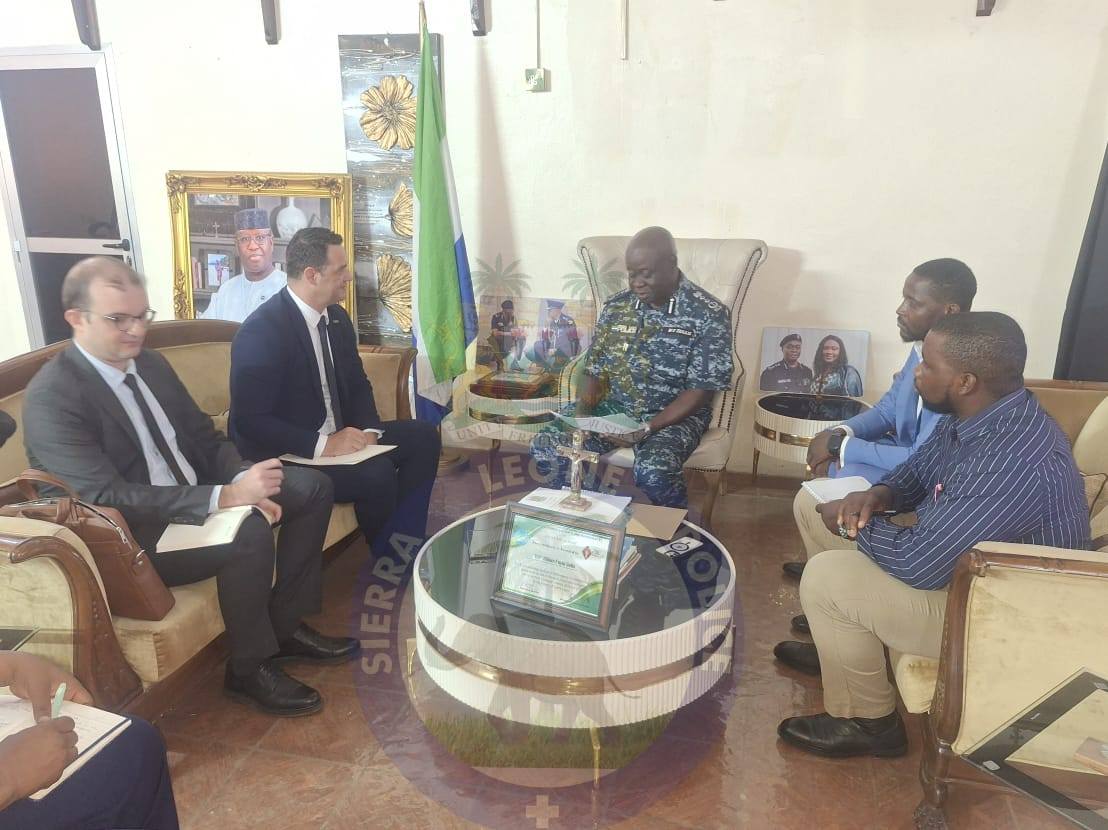
The offer comes at a time when police institutions across Africa are under increasing pressure to adapt to digital and cross-border criminal networks—areas where traditional policing methods often fall short.
Inspector General of Police, William Fayia Sellu, acknowledged that the force is at a turning point, where investing in human capital is no longer optional but essential. He emphasised that the SLP must keep pace with global policing standards or risk being outmatched by increasingly sophisticated criminal operations.
Sellu noted that since taking office, strengthening officer competence has remained a central pillar of his reform agenda, aligning closely with the human capital development drive championed by Julius Maada Bio.
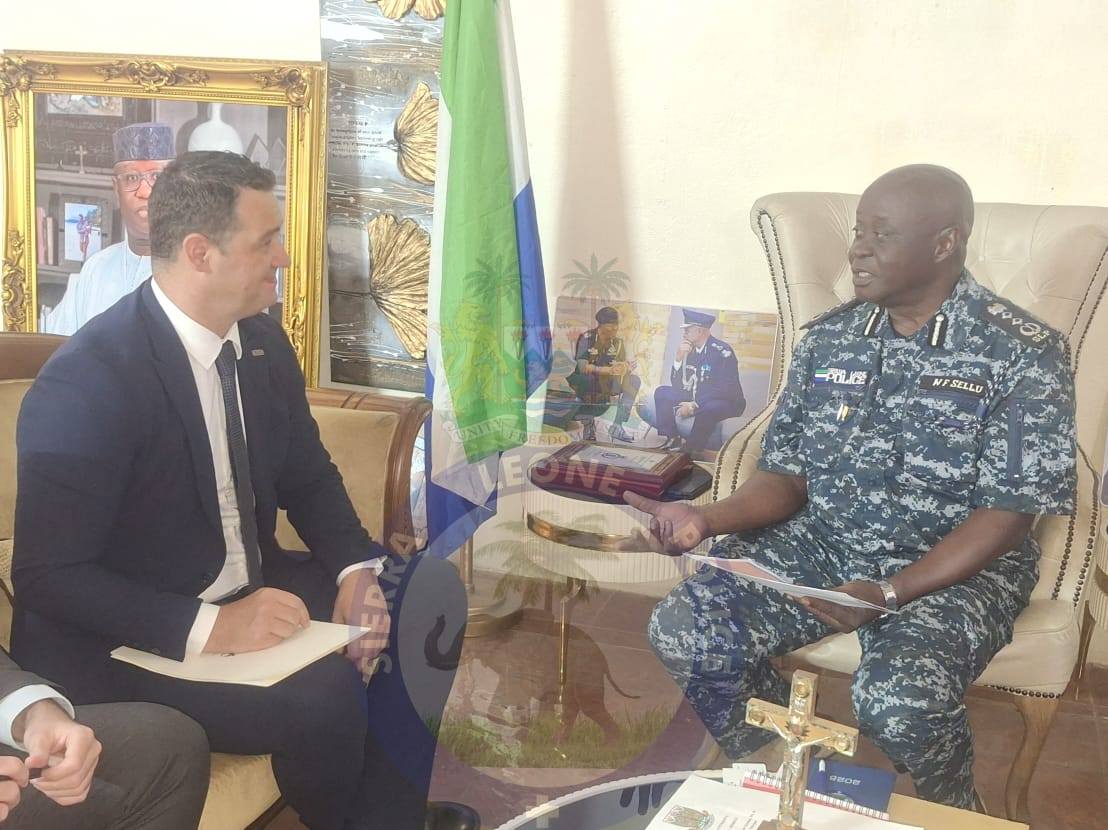
Beyond skills development, the engagement also highlights strengthening ties between Sierra Leone and Turkey, with TİKA reaffirming its long-term presence through its newly established office in Freetown.
Security analysts say the initiative could mark a significant step toward repositioning the SLP as a more proactive and technologically equipped force—capable not only of maintaining public order but also tackling emerging security threats in an increasingly complex landscape.
With the training offer now on the table, attention shifts to how quickly and strategically the police will prioritise and deploy these opportunities to transform frontline policing.