
Agriculture Ministry, JSDF Complete First Batch of Climate-Smart IVS Training for Rice Technicians
 Sia Lucy Kannah
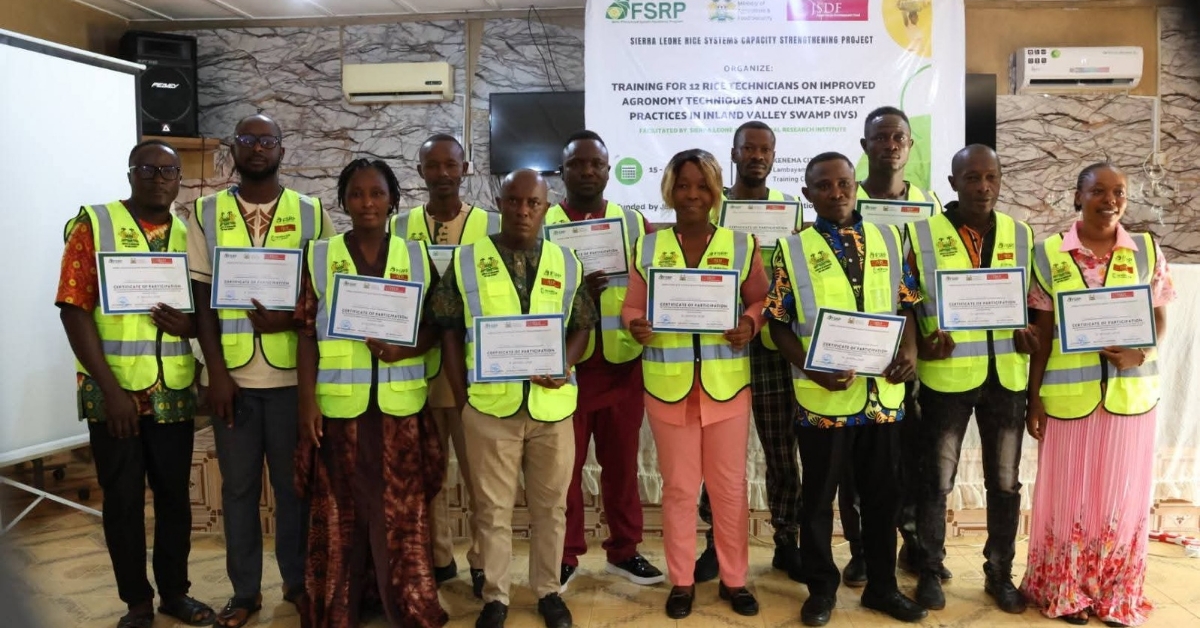
 The Sierra Leone Rice Systems Capacity Strengthening Project, through the Ministry of Agriculture, funded by the Japanese Social Development Fund (JSDF) through the Food Systems Resilience Program (FSRP), has successfully concluded a two-week intensive training on climate-smart and best agronomic practices for 12 Inland Valley Swamp (IVS) rice technicians in Kenema District.
The training, facilitated by the Sierra Leone Agricultural Research Institute (SLARI), brought together participants from Kambia, Port Loko, Tonkolili, and Kenema districts.
Furthermore, the initiative stems from a bilateral engagement following President Bio’s visit to Vietnam under the South-South Cooperation, through which Sierra Leone benefitted from technical support in rice production.

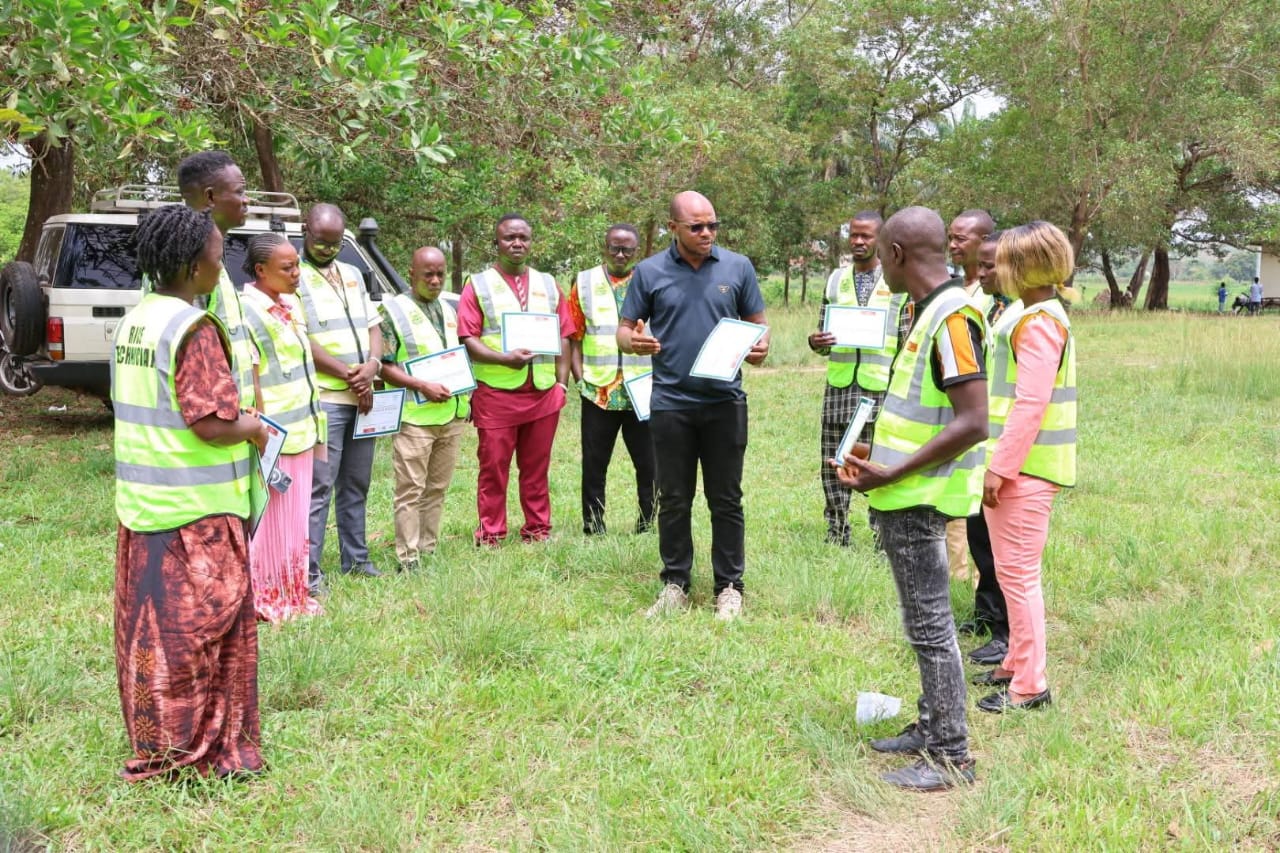


As a result, the 12 rice technicians are now equipped with the skills and knowledge to educate smallholder farmers on climate-smart technologies aimed at increasing productivity and improving household incomes.
Additionally, the training focused on enhancing productivity while building resilience to climate change. Key modules included land development techniques such as bundling, levelling, and water control for efficient water management.
Participants were also trained in the use of improved, climate-resilient rice varieties, nursery establishment, transplanting methods, soil fertility management, integrated pest and disease control, and post-harvest loss.
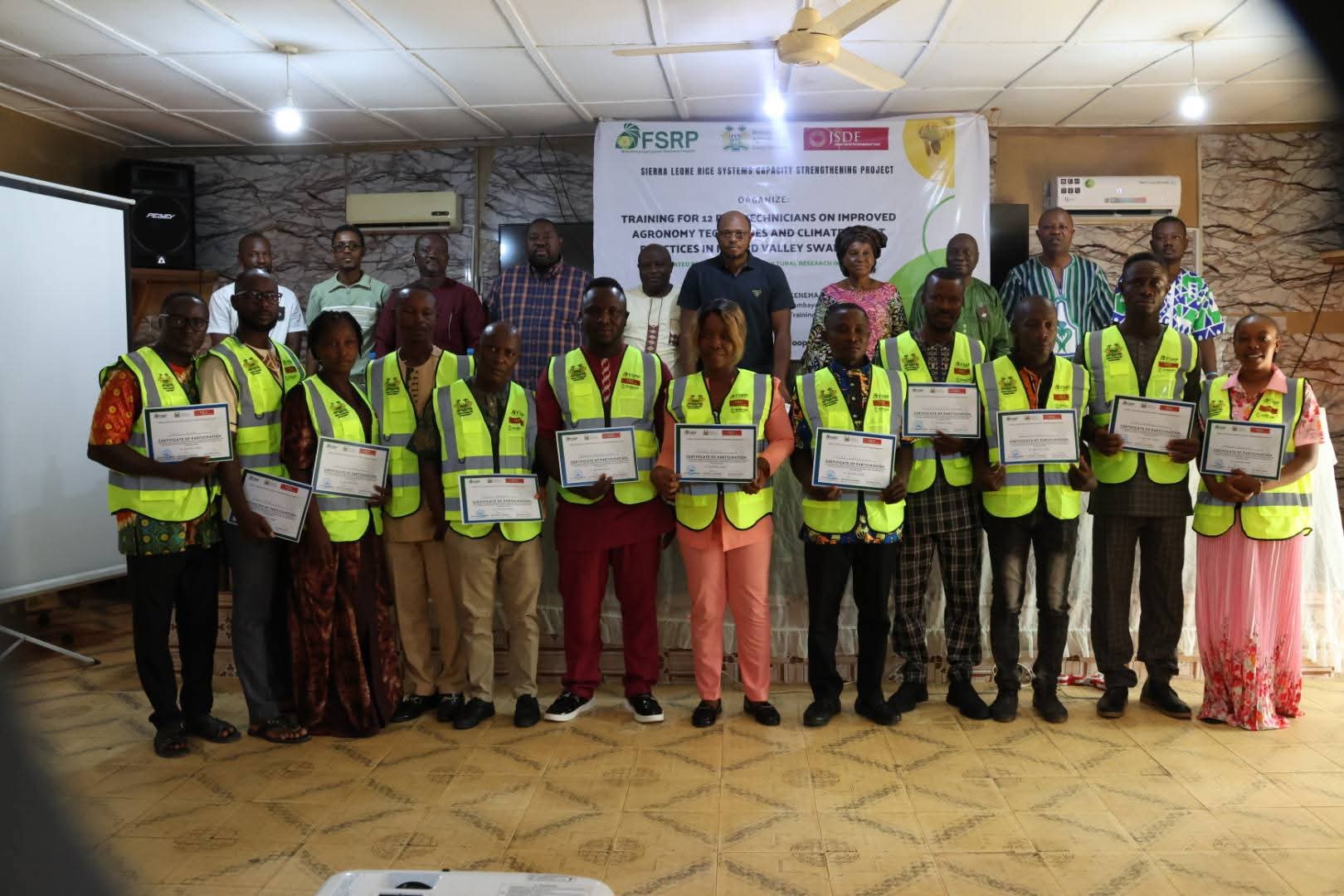
Kepifri Lakoh, FSRP Project Manager, stressed that the training aims to strengthen the delivery and adoption of extension messages, which remain a major constraint to rice productivity in IVS . He urged technicians to apply their knowledge widely and assured them of continued support under the Feed Salone initiative.
Delivering the keynote address, Alpha Yayah Mansaray, Director of Agricultural Extension Services, noted that this is the first batch of technicians under the program, addressing the gap left by an ageing workforce.
He encouraged participants to actively promote modern practices to boost yields and farmer incomes.