

President Bio Launches Major Education Programme with ChildFund and Plan as Implementing Partners
 Sia Lucy Kannah
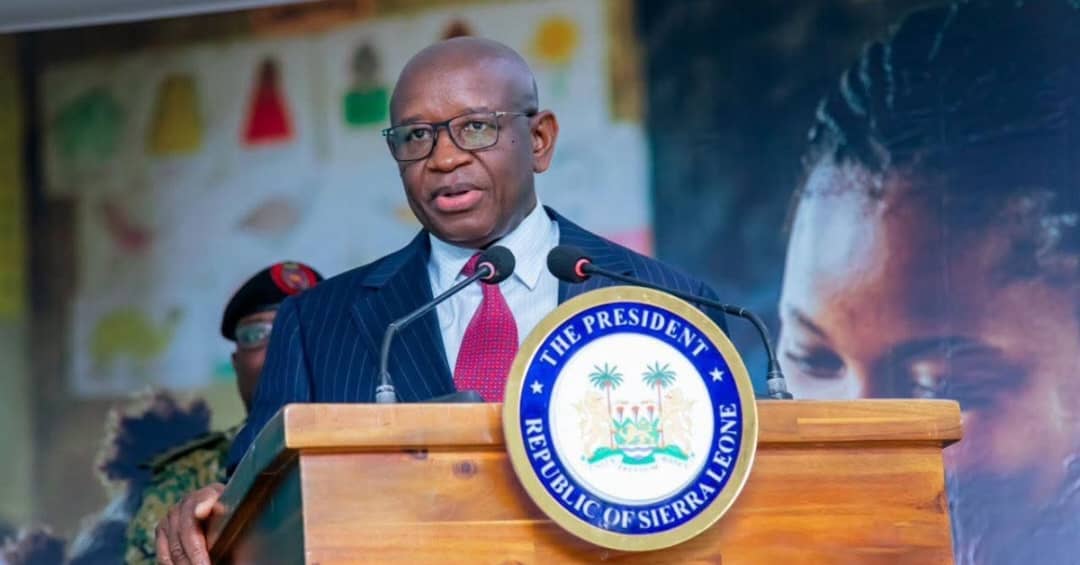
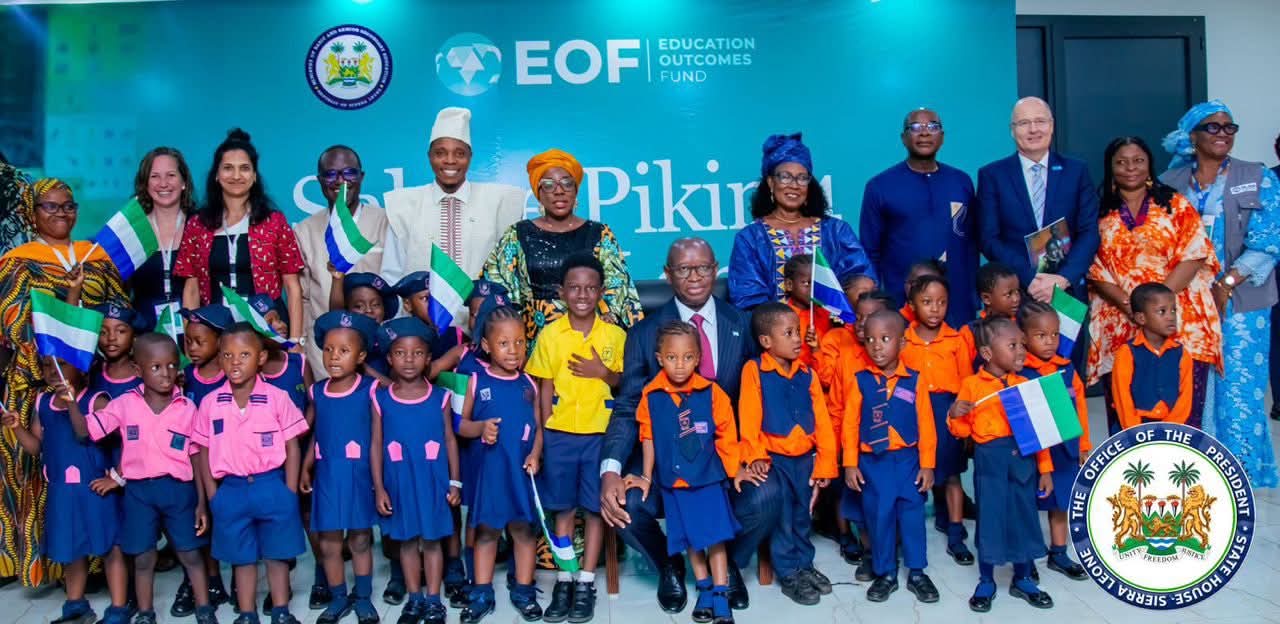
 President Julius Maada Bio has officially launched the Salone Pekin fo Play en Lan Outcome Fund Programme, a major initiative aimed at strengthening early childhood development across Sierra Leone on Friday, 24th April, 2026.
The programme is set to reach over 29,000 children aged 3 to 5, targeting 87 community-based early childhood education centres over the next three years will be implemented by ChildFund and Plan International.
The $15.3 million initiative is led by the Education Outcomes Fund in partnership with the Government of Sierra Leone through the Ministry of Basic and Senior Secondary Education, with additional support from the LEGO Foundation, the Embassy of Denmark, and the Foreign, Commonwealth and Development Office.

Speaking at the launch, President Bio highlighted that his government has consistently allocated over 20% of the national budget to education, demonstrating a strong commitment to human capital development. He noted that since the introduction of the Free Quality Education initiative, more than one million additional children have been enrolled in school.
Also, President Bio stated that every child deserves a strong start, noting that early experiences shape not only individual futures but also the future of the nation.
He further disclosed that approximately 170,000 children are currently enrolled in early childhood care and education programmes nationwide.
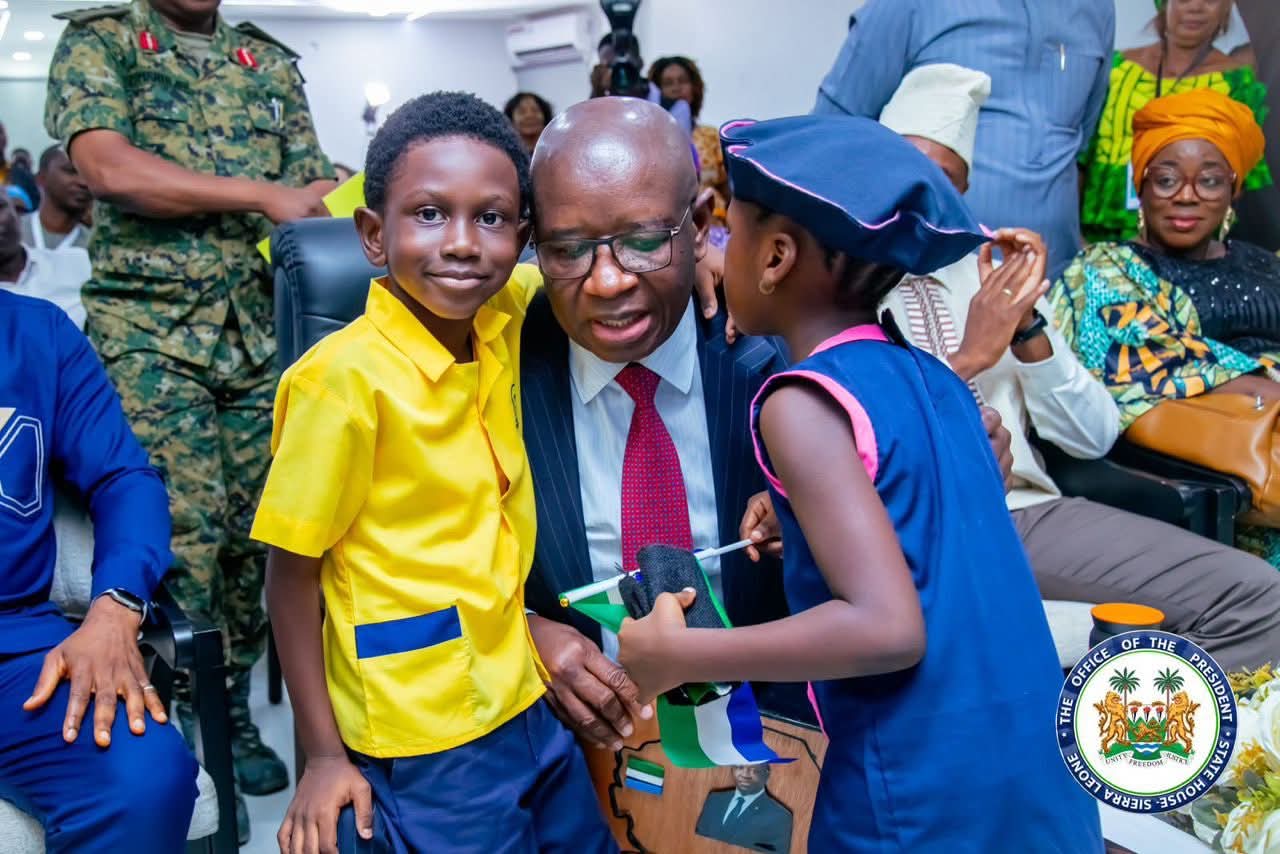
President Bio called on the private sector to support the initiative, stressing that with additional investment, the country could establish 28 more centres and reach over 7,000 additional children.
Concluding, the President reassured children across Sierra Leone that they remain central to the country’s future, reaffirming his government’s unwavering commitment to their growth and development.
ChildFund and Plan are expected to renovate and constructe Early Childhood Development (ECD) centres in the most underserved communities in rural Sierra Leone.
Speaking at the programme during a panel discussion, ChildFund Sierra Leone Country Director, Victor Kamara stressed the unique implementation pattern of the programme.
“This is a programme that is more community-driven which signifies that it will be owned by the communities,” Kamara said while adding that a strong education system begins in the community.