

ECOWAS Commends Sierra Leone’s Judicial Leadership at High-Level Meeting
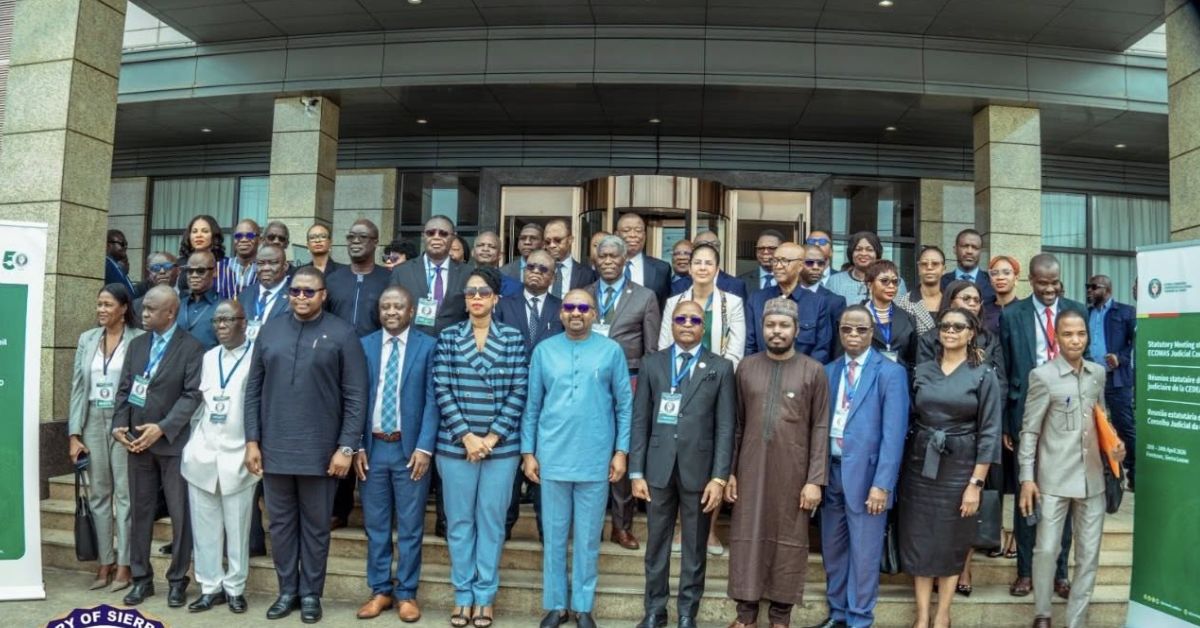
Amid growing demands for justice across West Africa, the ECOWAS Commission has reaffirmed its commitment to strengthening the region’s judicial architecture, highlighting recent progress within the ECOWAS Community Court of Justice as a sign of rising confidence in regional legal systems.
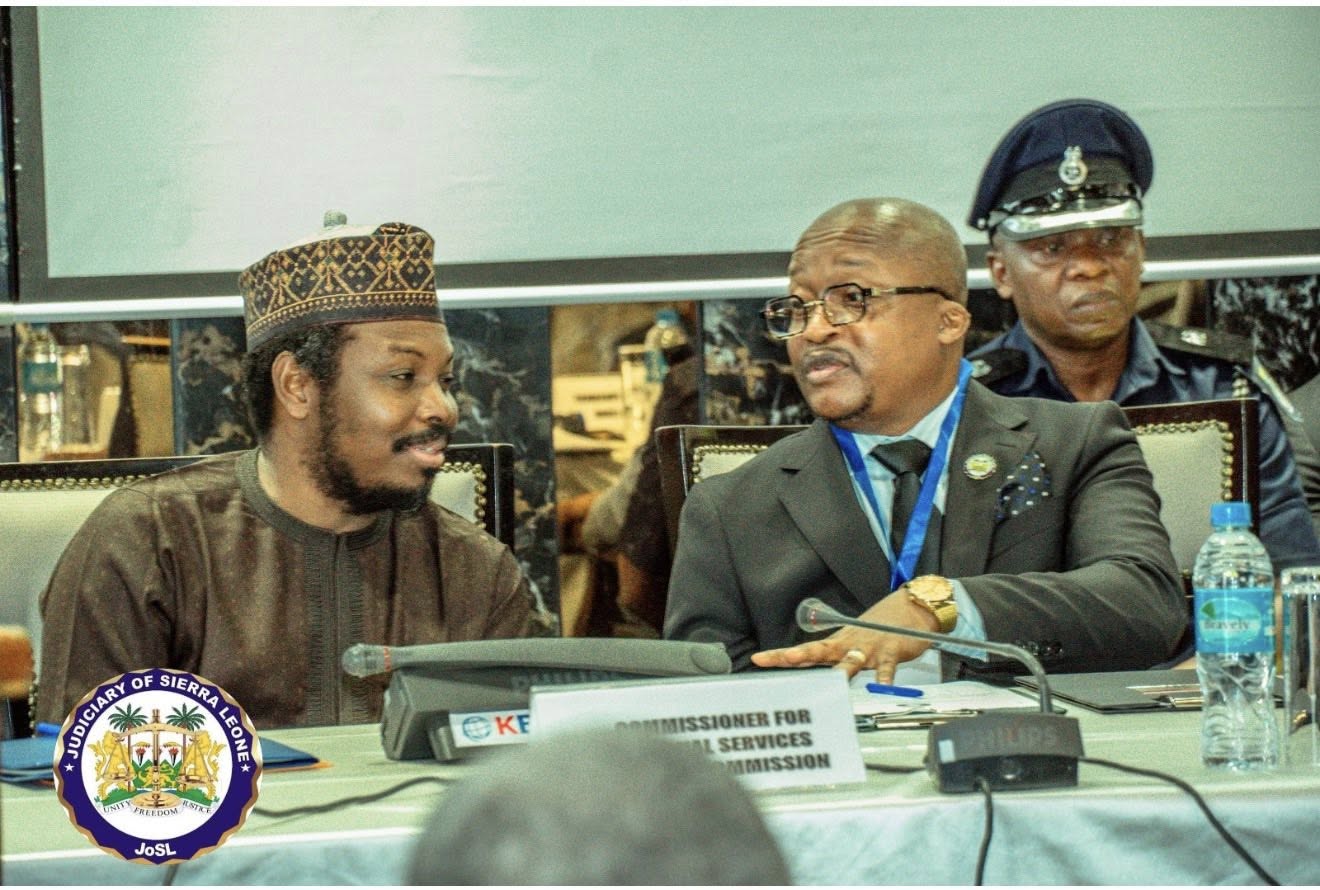
Speaking through the Commissioner for Internal Services, Dr Habibu Yaya Bappah, the President of the Commission, Omar Alieu Touray, stressed how sustained institutional support and strategic leadership have contributed to the Court’s growing authority and credibility.
Central to this progress, he noted, is the stewardship of Sierra Leone’s Chief Justice, Komba Kamanda, in his dual role as Chairman of the ECOWAS Judicial Council. Under his leadership, the Council has played a pivotal role in guiding reforms that continue to expand the Court’s reach and relevance.

One of the Court’s most significant advancements has been its increasing accessibility. By allowing individuals and corporate entities to bring cases directly, the Court has evolved into a vital avenue for justice beyond national jurisdictions-strengthening accountability and reinforcing the rule of law across Member States.

This transformation is also reflected in the Court’s growing body of jurisprudence, which is shaping regional standards on human rights and governance. The Commission described the institution as an emerging pillar of justice in West Africa, offering citizens renewed hope for fair and impartial redress.
However, the expansion has not come without strain. Rising caseloads, resource constraints, and persistent challenges in enforcing judgments at the national level remain key concerns. The Commission emphasised the need for stronger cooperation among Member States and increased public awareness to ensure the Court’s mandate is fully realised.
In response to these pressures, a new cohort of judges has been successfully recruited for the 2026-2030 term, a move expected to bolster the Court’s capacity and efficiency. Meanwhile, ongoing discussions around the establishment of an Appeals Chamber signal a broader effort to deepen institutional robustness and enhance judicial processes.
Reinforcing the importance of these developments, President Touray stressed that a credible and independent judiciary is not only essential for justice delivery but also for regional integration, economic growth, and long-term peace.
The statutory meeting, hosted in Freetown under the auspices of President Julius Maada Bio, is expected to produce key decisions that will shape the future direction of the Court and strengthen its impact across the ECOWAS region.