Post a comment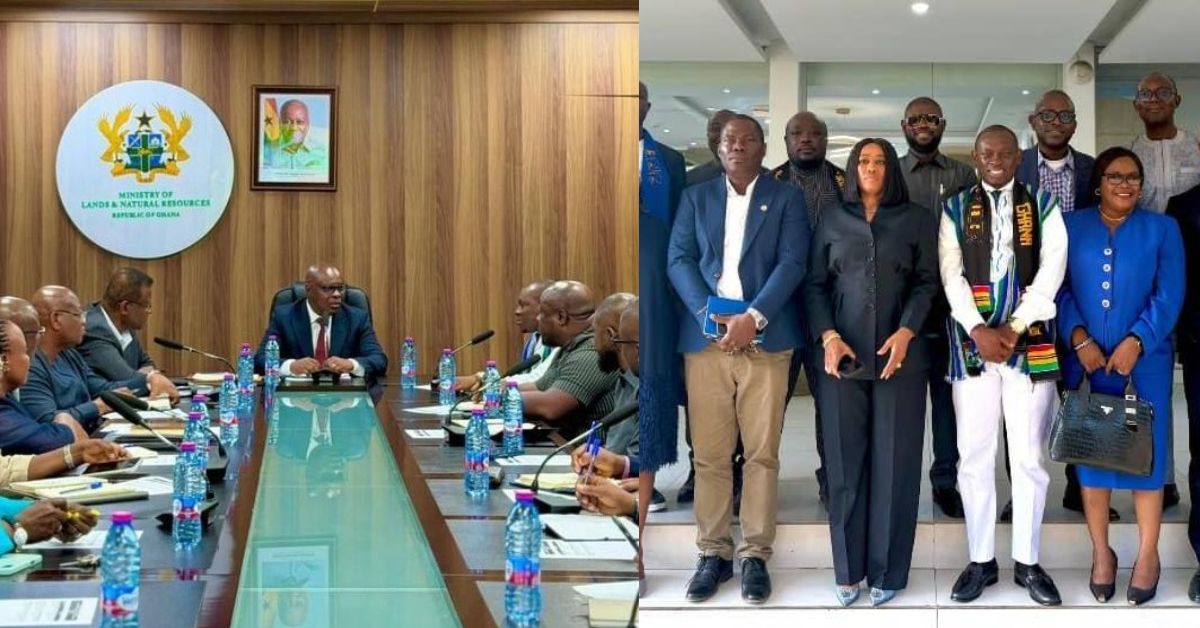
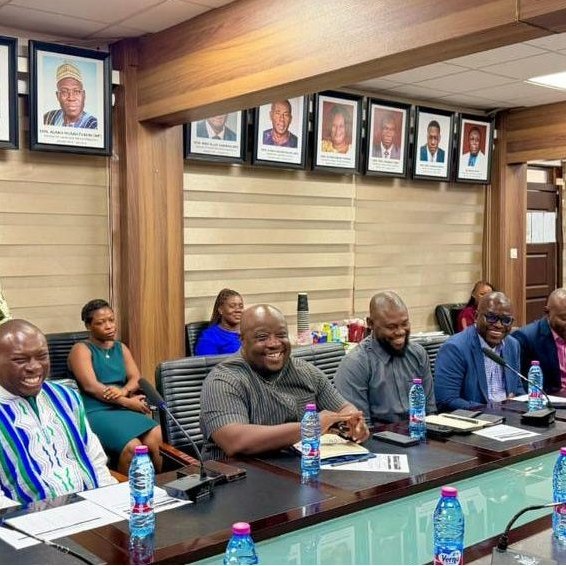
On 27 April 2026, a high-level Sierra Leone delegation concluded a strategic study tour of Ghana’s natural resources institutions, aimed at deepening institutional capacity and accelerating reforms in Sierra Leone’s mining sector.
The visit, which coincided with Sierra Leone’s Independence Day celebrations, brought together officials from the National Mining Agency, the Ministry of Mines and Mineral Resources, and the Public Sector Reform Unit.
The study tour was organized by Sierra Leone’s Public Sector Reform Unit in partnership with Ghana’s Ministry of Lands and Natural Resources and the Minerals Commission. According to officials, the objective was to examine governance structures, institutional arrangements, and regulatory systems that have contributed to Ghana’s management of its mineral resources.

The Sierra Leone delegation included senior officials from the newly established National Minerals Agency, reflecting the country’s recent reforms aimed at improving regulatory clarity, consistency, and the legislative framework governing the sector.
Officials said the sessions provided opportunities for benchmarking, exchanging best practices, and identifying adaptable models to improve service delivery and regulatory effectiveness in Sierra Leone.
Director of the Public Sector Reform Unit, Sulaiman Phoray-Musa, emphasized that reforms in the mining sector are central to Sierra Leone’s broader development agenda.
“Reform in the mines and minerals sector is not merely an administrative exercise; it is fundamental to repositioning Sierra Leone’s natural resources as a key driver of sustainable national development,” he said.
Mr. Phoray-Musa added that the wider reform programme seeks to promote responsible mining practices, increase domestic revenue mobilization, and ensure equitable benefit sharing to create jobs, support local economies, and finance national development priorities.
Ghana’s Chief Director for the Ministry of Lands and Natural Resources, Innocent Marcus Haligah, outlined the Ministry’s role in policy development and sector coordination. He explained that while technical agencies and commissions carry out specialized functions, the Ministry provides strategic oversight and policy guidance.
Representatives of the Minerals Commission also highlighted their mandate to regulate, manage, and coordinate mineral policy, issue exploration and extraction licences, and enforce safety and environmental standards.
Observers say Sierra Leone’s study tour signals a deliberate move toward institutional reform rather than piecemeal technical interventions. By benchmarking against established governance models, the country aims to translate policy reforms into tangible benefits for communities and the national economy.
Officials noted that a well-regulated and transparent mining sector could boost Sierra Leone’s competitiveness while ensuring that natural resources contribute directly to improved livelihoods and long-term economic resilience.