

Health Ministry, Focus 1000 Engage Influencers to Boost Immunization Awareness
 Osman Tolo Sesay
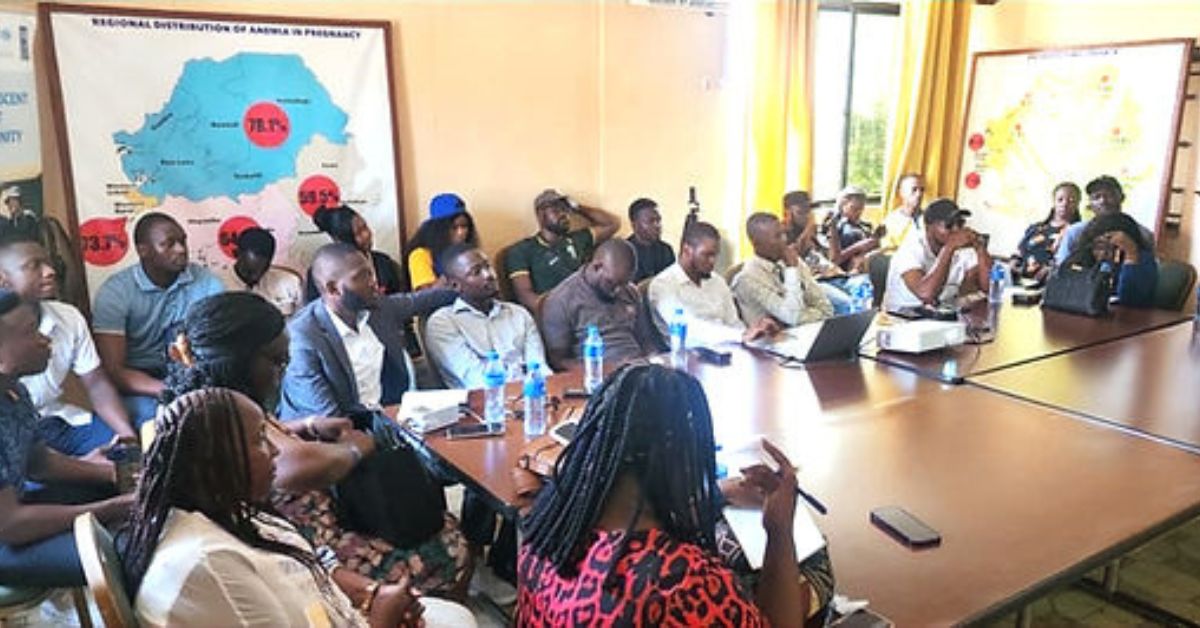
 The Ministry of Health’s Special Education Unit, in partnership with Focus 1000, has engaged digital content creators and social media influencers in a targeted effort to strengthen public awareness and advocacy for immunization across Sierra Leone.
The one-day strategic session, held as part of activities marking African Vaccination Week (April 24–30), also aligns with the Government’s ongoing “300 Days of Activism on Immunization” campaign. The initiative reflects growing recognition of the role digital platforms play in shaping public health perceptions and behaviours.
Speaking during the engagement, Programmes Manager at Focus 1000, Musa Jalloh, said the initiative aims to position influencers as key partners in advancing the Ministry’s zero-dose immunization agenda targeting children who have not received any routine vaccines.

He noted that influencers, given their wide online reach, are uniquely placed to promote accurate health information, counter misinformation, and encourage vaccine uptake within communities.

Jalloh added that Focus 1000 will continue to provide technical support and guidance to participants to ensure that messaging shared across platforms remains factual, consistent, and aligned with national health priorities.
Also addressing participants, Senior Health Promotion Officer Ibrahim Sorie Koroma emphasized the importance of early childhood immunization, describing it as a critical intervention in reducing preventable diseases and improving child survival rates.
He warned that children who miss initial vaccine doses are at significantly higher risk of contracting life-threatening illnesses.
Koroma explained that Sierra Leone’s routine immunization schedule begins at birth and includes more than 14 doses administered within the first 15 months of life.
He clarified that a child is considered fully immunized only after receiving all recommended vaccines, including the second dose of the measles-rubella vaccine (MR2).
The engagement forms part of broader national efforts to increase immunization coverage, reduce maternal and child mortality, and strengthen public trust in vaccines through strategic communication and community engagement.