

Sierra Queens Left Out of CAF 35-Nation List for 2028 Olympic Qualifiers
 Osman Tolo Sesay
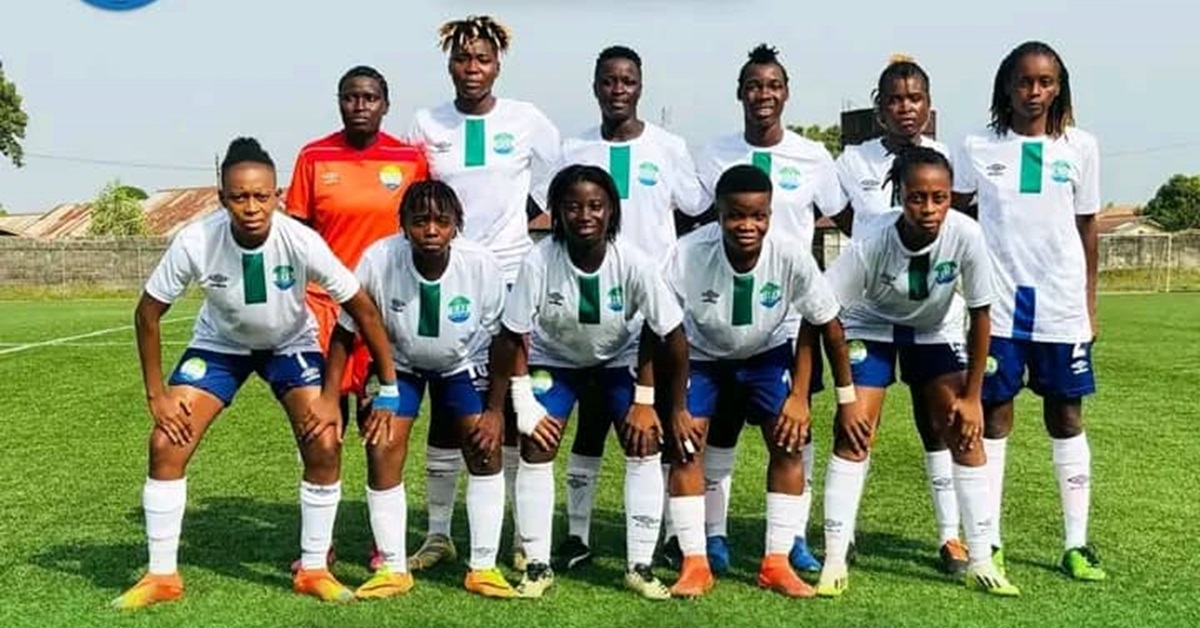
 Sierra Leone’s senior women’s national team, the Sierra Queens, have been left out of the Confederation of African Football (CAF) 35-nation list for the qualification campaign toward the Los Angeles 2028 Olympic Games, marking another setback for the country’s presence in major international women’s football competitions.
The omission means Sierra Leone will not compete for one of the two African slots available at the Olympic tournament. It also highlights a broader concern about the trajectory of women’s football development in the country, particularly at a time when participation across the continent is expanding.
The development comes despite recent regional success. The Sierra Queens lifted the WAFU tournament title in May 2025, a victory that signaled promise and raised expectations for sustained growth. However, that momentum has not translated into continued international engagement.

In a further blow, the Sierra Leone Football Association (SLFA) has also withdrawn the team from the 2028 Women’s Africa Cup of Nations (WAFCON) qualifiers. The decision significantly reduces the number of competitive fixtures available to the team, limiting opportunities for player development, tactical growth, and international exposure.


CAF’s expanded list of participating nations reflects increased investment and commitment to women’s football across Africa. Sierra Leone’s absence from this process contrasts with a continental trend that is seeing more countries prioritize the women’s game as part of long-term football development strategies.
Football analysts have pointed to the importance of consistent competition in building a competitive national team. Without regular participation in qualifiers and tournaments, maintaining team cohesion and improving global rankings becomes increasingly difficult.
This is not the first time Sierra Leone has withdrawn from Olympic qualifiers, and the recurring pattern has raised questions about structural challenges within the sport. Issues such as funding limitations, administrative decisions, and long-term planning continue to affect the sustainability of the women’s national team program.
For players, the impact is immediate and significant. Missing out on high-profile competitions like the Olympics removes crucial opportunities for career advancement and international recognition.
While the WAFU triumph demonstrated the team’s capability, the current situation underscores the gap between potential and sustained progress. Moving forward, attention is likely to focus on whether strategic reforms and investment can reposition the Sierra Queens for consistent participation on the continental and global stage.