

Sierra Leone Pledges to Boost Its Coffee Industry at Africa Regional Forum in Morocco
 Aminata Koroma
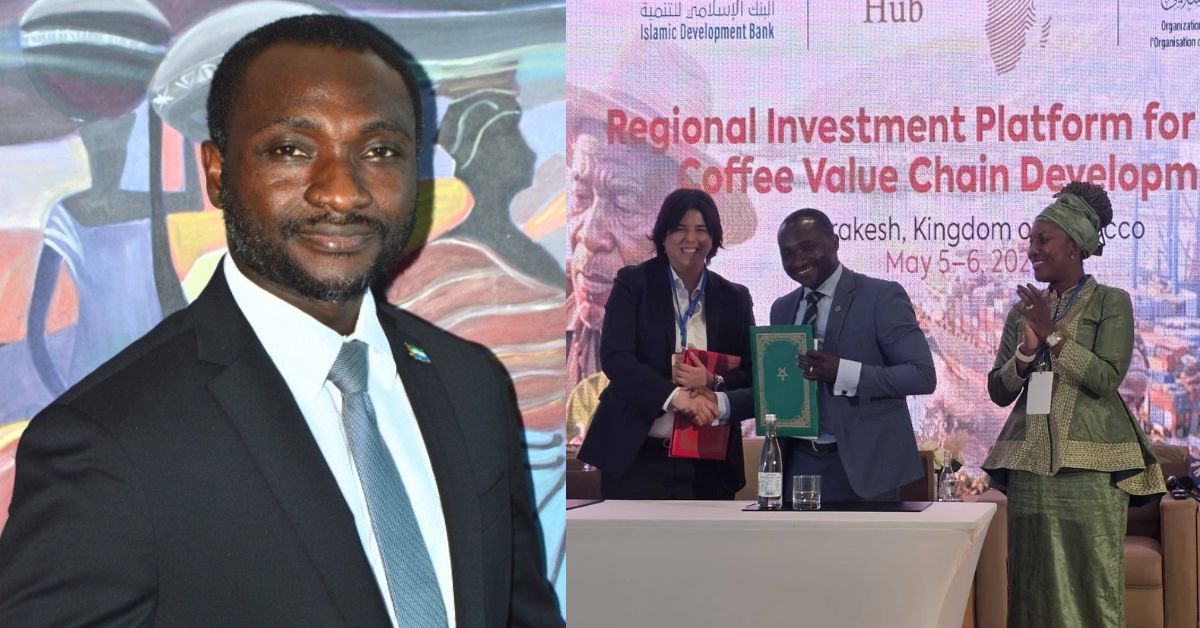
 The Minister of Agriculture and Food Security, Dr Henry Musa Kpaka, alongside the Deputy Minister of Finance, Kadiatu Allie, represented Sierra Leone at the Regional Forum on Coffee Value Chain Development in Africa, held in Marrakech, Morocco, from 5th to 6th May 2026.
The high-level forum marked a major step toward transforming Africa’s coffee industry from a raw commodity exporter into a competitive, value-added sector. It brought together coffee-producing countries across the continent to explore strategies for strengthening value chains through improved quality, processing, traceability, investment, and enhanced access to international markets.
Co-organised by the Islamic Development Bank, the Kingdom of Morocco, the African Coffee Hub, and the Organisation of Islamic Cooperation, the forum convened governments, development finance institutions, private sector actors, and industry experts to advance discussions on building competitive and inclusive coffee value chains.

During the sessions, Dr Kpaka highlighted Sierra Leone’s commitment to revitalising its coffee sector by increasing production, promoting value addition, expanding market access, and investing in speciality coffee production, particularly Stenophylla coffee.



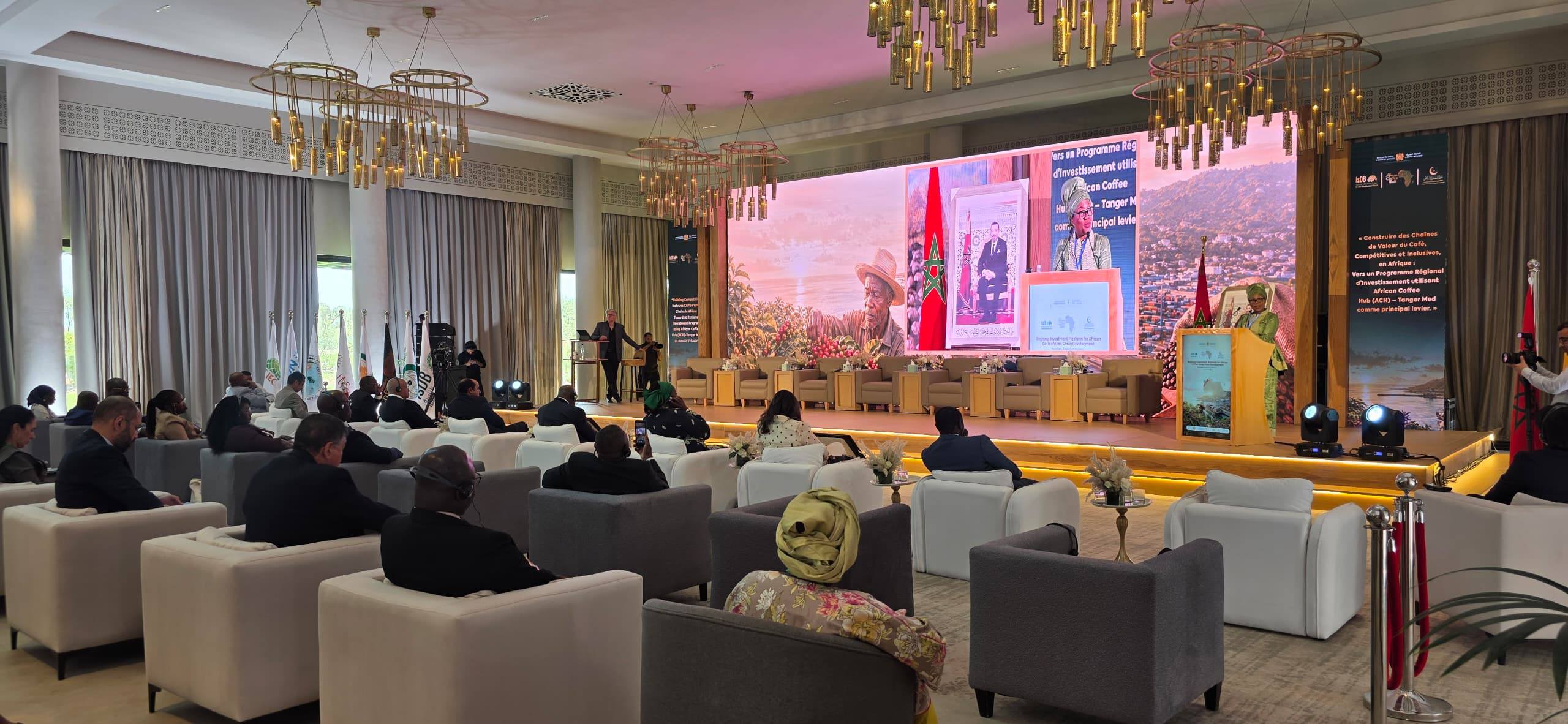
He noted that Stenophylla coffee is globally recognised for its distinctive quality and resilience to warmer climatic conditions, positioning Sierra Leone as an advantage as climate change continues to affect global coffee production.
Deputy Minister of Finance, Kadiatu Allie, reaffirmed the government’s commitment to supporting farmers through improved access to finance and targeted incentives aimed at enhancing the implementation of the Feed Salone Programme.
A key outcome of Sierra Leone’s participation was the signing of a Memorandum of Understanding (MoU) between the Ministry of Agriculture and Food Security and African Coffee Hub Invest.
The agreement establishes a framework for technical cooperation to strengthen the country’s coffee sector in areas such as post-harvest handling, quality control, traceability, aggregation, logistics, branding, value addition, investment preparation, and market access.
The partnership is expected to expand farmer incomes, create employment opportunities, boost export earnings, and attract significant investment into Sierra Leone’s agricultural sector.
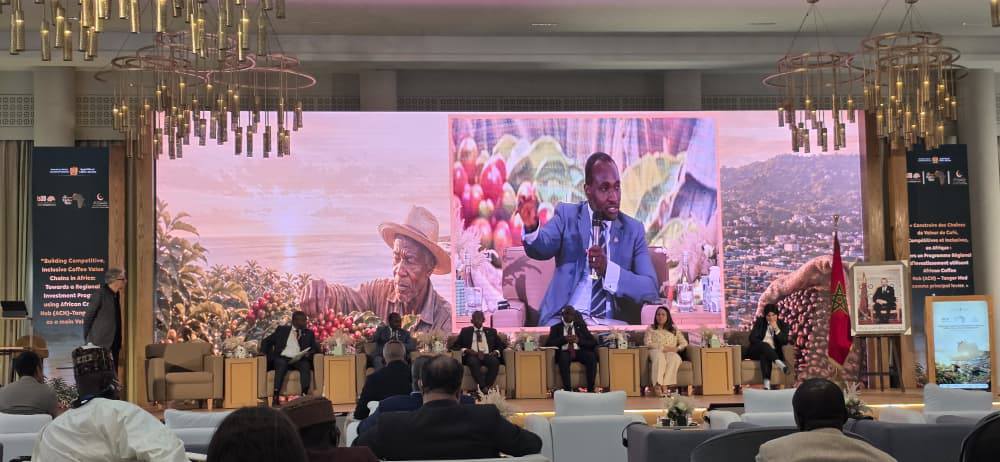
Sierra Leone joined other beneficiary countries, including Cameroon, Côte d’Ivoire, Guinea, Togo, and Uganda, in structured discussions focused on unlocking the full potential of Africa’s coffee industry and supporting smallholder farmers to access international markets through trade integration.
The forum also highlighted a broader continental ambition to strengthen Africa’s control over its coffee value chains through sustainable agricultural practices and direct engagement with global buyers.
On the sidelines of the event, the Sierra Leone delegation held discussions with the Chief Executive Officer of OCP, Hajar Alafifa, and the Director of Agribusiness at IsDB Africa, Mamadu Bah. Talks centred on opportunities to support coffee sector development and advance the Feed Salone Strategy, including a proposed USD 65 million grant request to boost agribusiness development in Sierra Leone.