


 Post a comment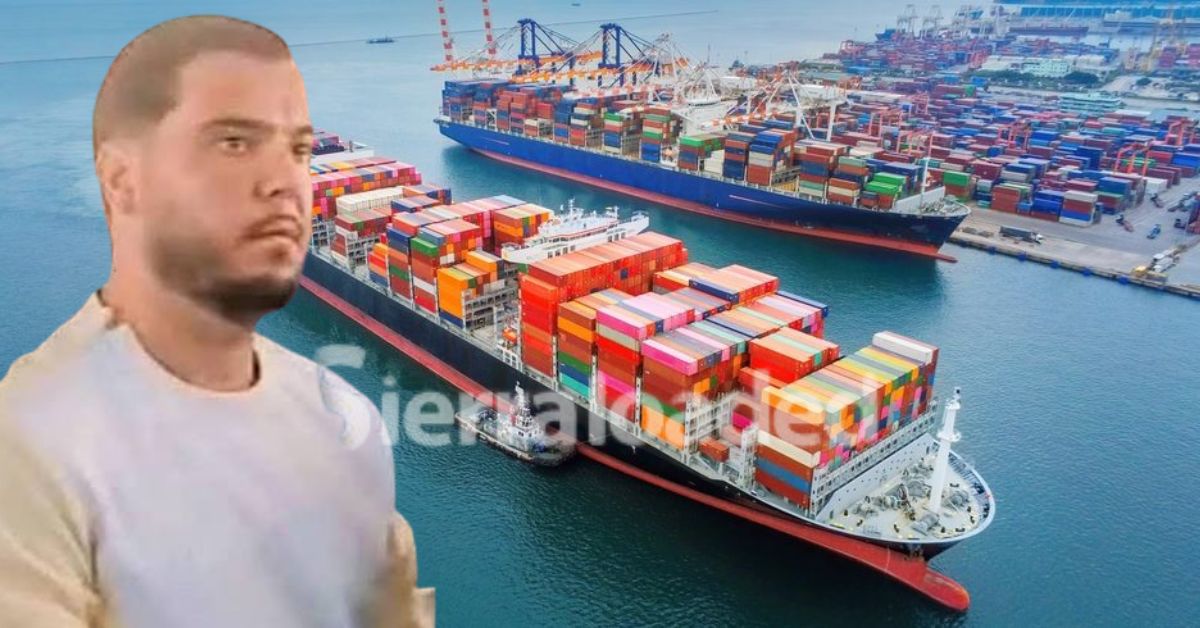
Spain’s Interior Minister, Fernando Grande-Marlaska, on Friday, May 8, 2026, reportedly confirmed that investigators have linked a record-breaking cocaine shipment intercepted in the Atlantic Ocean to the Dutch-Moroccan criminal syndicate widely known as the “Mocro Maffia,” in what authorities described as one of the largest anti-drug operations ever carried out in Europe.
Speaking during an official press conference in Madrid on Friday, May 8, 2026, Grande-Marlaska announced the results of “Operation Abisal,” a multinational operation led by Spanish authorities with support from Europol and several international law enforcement agencies.
The minister said the operation resulted in the seizure of 30,215 kilograms of cocaine – more than 30 metric tons – aboard the cargo vessel MV Arconian, a ship authorities described as a floating “mothership” used to transport and redistribute cocaine into Europe.

According to the Spanish Interior Ministry, the seizure is the largest single cocaine interception in Spanish and European history and is among the biggest ever recorded globally. Authorities estimated the street value of the drugs at approximately €812.2 million.
The vessel, sailing under the flag of Comoros, was intercepted on May 1 in international waters about 430 nautical miles south of the Canary Islands, off the coast of Western Sahara. Spanish authorities said the 91-meter vessel had departed from Freetown on April 22 before it was tracked and boarded during the coordinated operation.
Grande-Marlaska said investigators believe the ship was intended to serve as a logistical platform for transferring cocaine shipments to high-speed boats that would then move the narcotics into European territory. Authorities also recovered 43,000 litres of gasoline on board, which officials said was intended to refuel the speedboats during smuggling operations.
Spanish police and the Guardia Civil arrested all 23 crew members aboard the vessel. The detainees include 17 Philippine nationals, five Dutch nationals and one Surinamese national. Spanish authorities confirmed that all suspects have been placed in pre-trial detention without bail.
Investigators also discovered what officials described as a hidden arsenal on the ship, including automatic machine guns, tactical pistols and large quantities of ammunition. Authorities alleged that the vessel was protected by heavily armed guards, including the five Dutch nationals and the Surinamese suspect.
During the press conference, Grande-Marlaska publicly linked the operation to the “Mocro Maffia,” a Dutch-Moroccan organized crime network believed to be deeply involved in large-scale cocaine trafficking across Europe.
Although the minister did not directly mention the name of alleged fugitive trafficker Jos Leijdekkers, major European media organizations and investigative sources have identified him as the suspected mastermind behind the shipment.
Leijdekkers, commonly known by the alias “Bolle Jos,” is one of Europe’s most wanted drug trafficking suspects. Authorities believe he may currently be hiding in Sierra Leone, a country that does not have an extradition treaty with the Netherlands.
Spanish officials said Operation Abisal was made possible through extensive international cooperation involving the Spanish National Police, the Guardia Civil, Europol, the United States Drug Enforcement Administration, Dutch police authorities, and security agencies from the United Kingdom, Portugal and Italy, which provided naval and aerial operational support.
Grande-Marlaska described the seizure as a major blow against international organized crime and said the operation demonstrated the growing level of coordination among European and international law enforcement agencies in combating transnational drug trafficking networks.


