

FCC Unveils Plans to Transform Freetown’s Central Business District
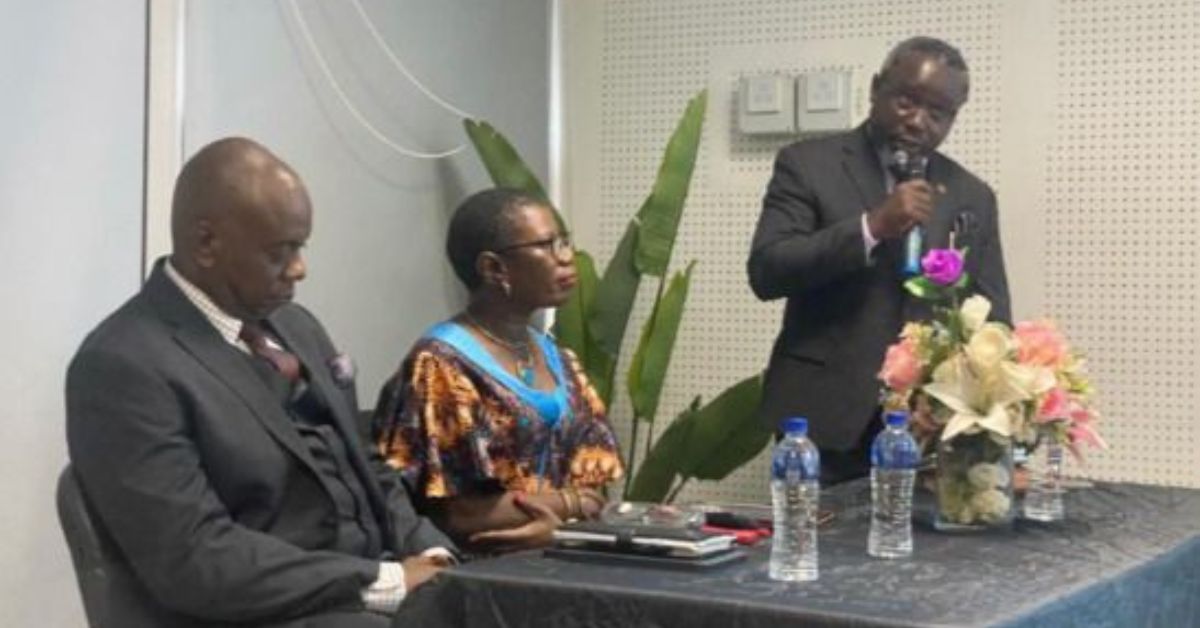
The Freetown City Council (FCC) has unveiled ambitious plans to transform the Central Business District (CBD) through a comprehensive regeneration programme aimed at improving urban mobility, environmental sustainability, governance, and public infrastructure within the city centre.
Speaking on the initiative, Chief Administrator Rahman Tom Farma described the CBD Regeneration Programme as a five-year project currently in its second year of implementation. He said the programme is designed to create a more organized, inclusive, and resilient capital city capable of responding to growing urbanization pressures in Freetown.
Farma disclosed that the programme includes the development of an Area Action Plan intended to guide land use, improve mobility and accessibility, expand public spaces, support economic revitalization, and strengthen climate resilience across the Central Business District.

According to him, the plan will address key urban challenges by assessing population and socio-economic characteristics, land-use patterns, transportation systems, environmental conditions, and infrastructure delivery within the city centre.

He further noted that the initiative will strengthen technical capacity within FCC, improve community and social management systems, and establish stakeholder committees to regulate and manage public spaces more effectively.
Farma stated that the Area Action Plan also contains urban design guidelines covering building standards, height regulations, and façade requirements, alongside a development control framework for land use and building permits.
The Chief Administrator explained that the programme will identify high-impact projects for short-, medium-, and long-term implementation, with clearly defined responsibilities, funding mechanisms, and monitoring and evaluation processes to ensure sustainability.
Officials said visible interventions under the programme already include the installation of new street lighting within parts of the Central Business District.
According to FCC officials, the regeneration programme seeks to reduce traffic congestion, improve pedestrian safety, upgrade drainage and waste management systems, and address persistent challenges such as flooding and urban heat through climate-resilient infrastructure.
They maintained that the initiative represents a major step toward modernizing Freetown’s city centre while promoting sustainable urban growth and improving the quality of life for residents and businesses operating within the CBD.