Post a comment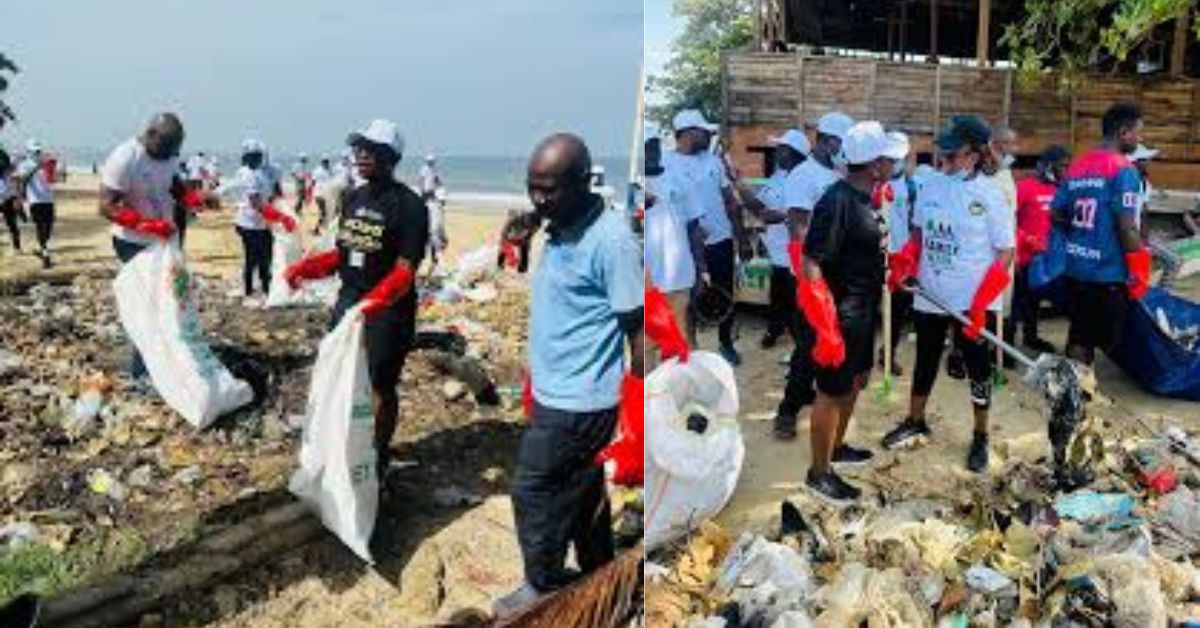
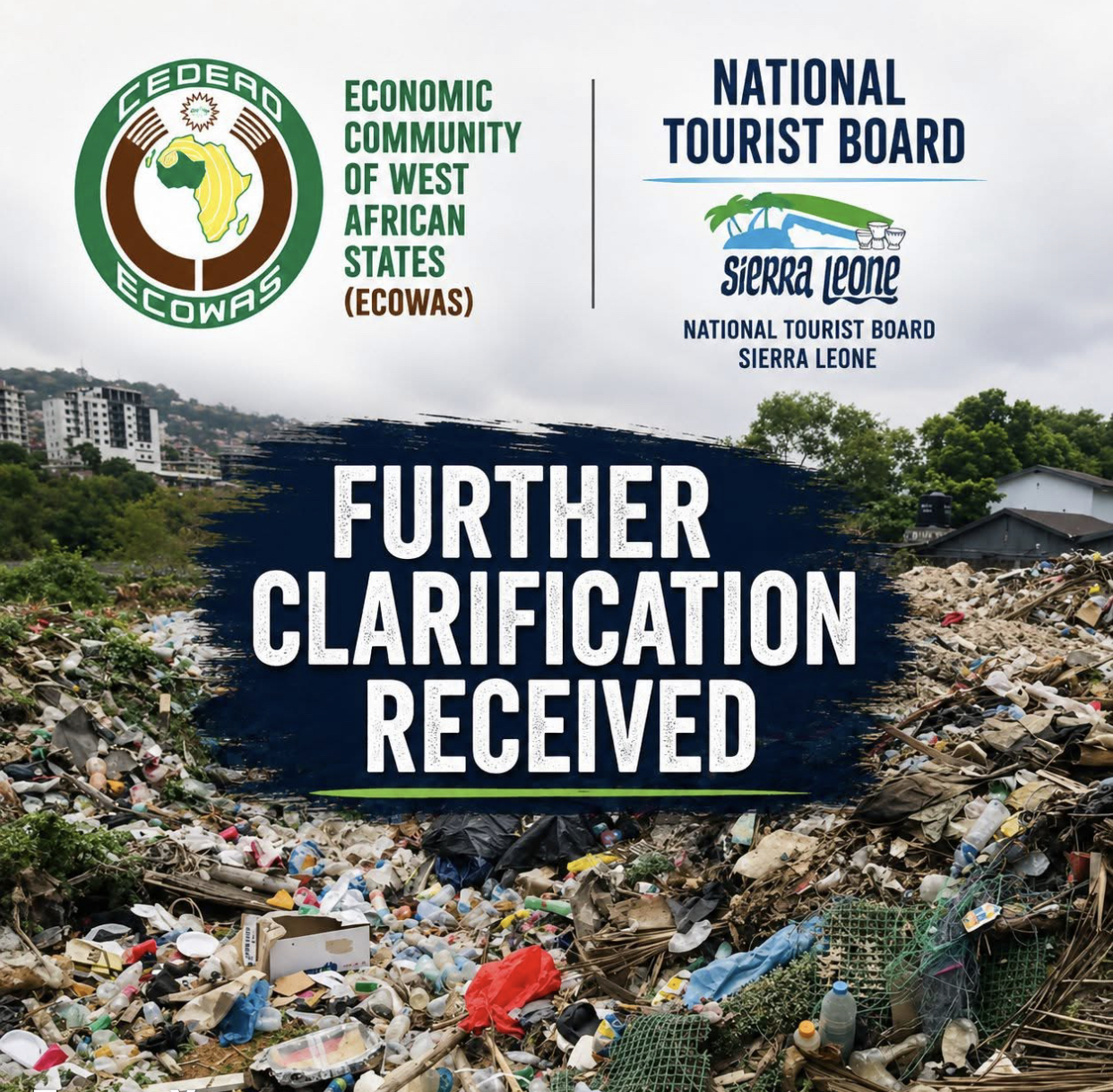
The National Tourist Board (NTB) has clarified its role in the recent Lumley Beach cleanup exercise, confirming that the operation was funded by the Economic Community of West African States (ECOWAS), organised in collaboration with the Ministry of Planning and Economic Development (MoPED), and coordinated locally by the NTB in support of ongoing sanitation efforts along the beach.
The clarification was made public by environmental activist Trevor Young following further engagement with the NTB over concerns surrounding waste disposal activities at Lumley Beach.
According to Young, the NTB informed his team that the beach cleanup initiative formed part of broader environmental sanitation efforts being carried out along the coastline.

Young stated that his team’s activities are specifically concentrated on the section of Lumley Beach between Chapter One and Sunnyside Beach Bar.
He further explained that the National Tourist Board had already been conducting daily cleaning operations along other sections of Lumley Beach before his team started its own cleanup activities and that the NTB continues to maintain those operations.
The clarification follows growing public discussion regarding a waste dumping site located along the beach, which had recently generated concern among environmental advocates and residents.
According to Young, the location being discussed was intended as a temporary holding site for collected waste.
“Our concerns arose after our team had recently cleaned and rehabilitated that same area following discussions and the understanding that the location was being prepared as a proposed recycling and waste collection depot,” Young said in the update.
While acknowledging the NTB’s continued cleaning efforts, Young stressed that the situation reflects deeper waste management challenges facing Freetown.
He noted that regular beach cleaning alone would not solve the city’s environmental sanitation problems unless long-term systems are introduced to address the root causes of waste accumulation.
“Our efforts are mainly aimed at preventing the continuous accumulation of waste along Lumley Beach and helping to stop the area from deteriorating into an unsanitary dump,” he stated.
Young further observed that one-day cleanup campaigns may provide temporary relief but warned that sustainable improvement would require stronger coordination in areas such as proper waste management, drainage maintenance, recycling programmes, environmental enforcement, remediation efforts, and accountability.
He also welcomed the public debate generated by the issue, describing it as an important national conversation on environmental protection and public health.
“I am very grateful we are having this difficult conversation that will ultimately improve the living conditions of our nation and our people,” Young added.
The latest clarification by the NTB comes as concerns continue to grow over sanitation, flooding, and environmental waste management across Freetown, particularly in coastal communities vulnerable to pollution and poor drainage systems.