Post a comment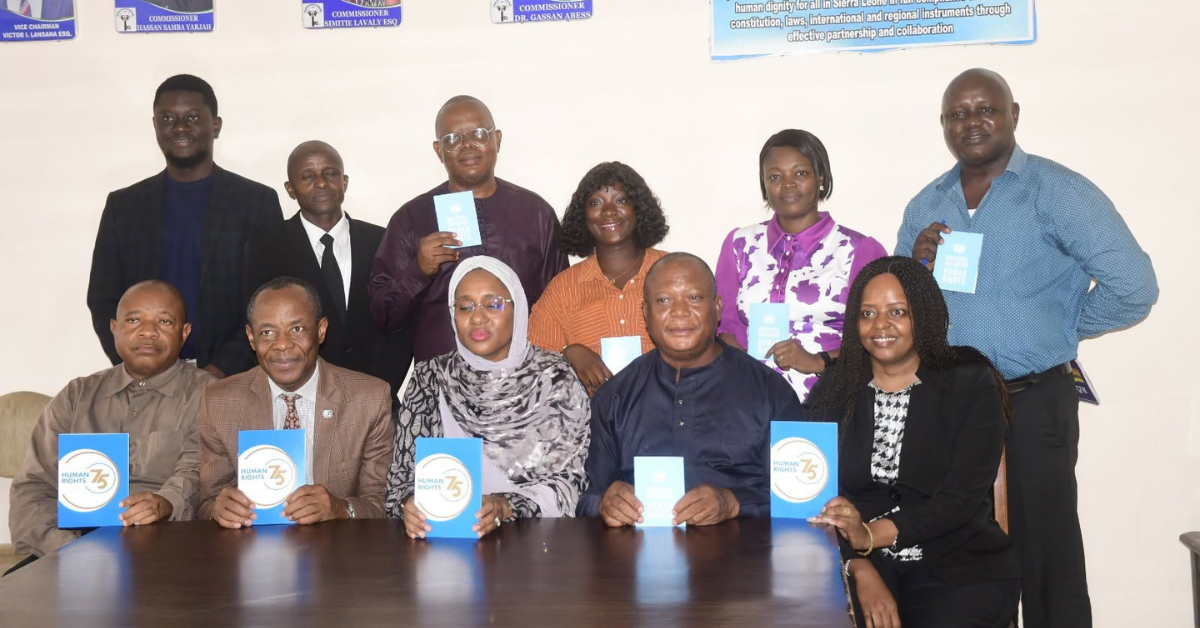
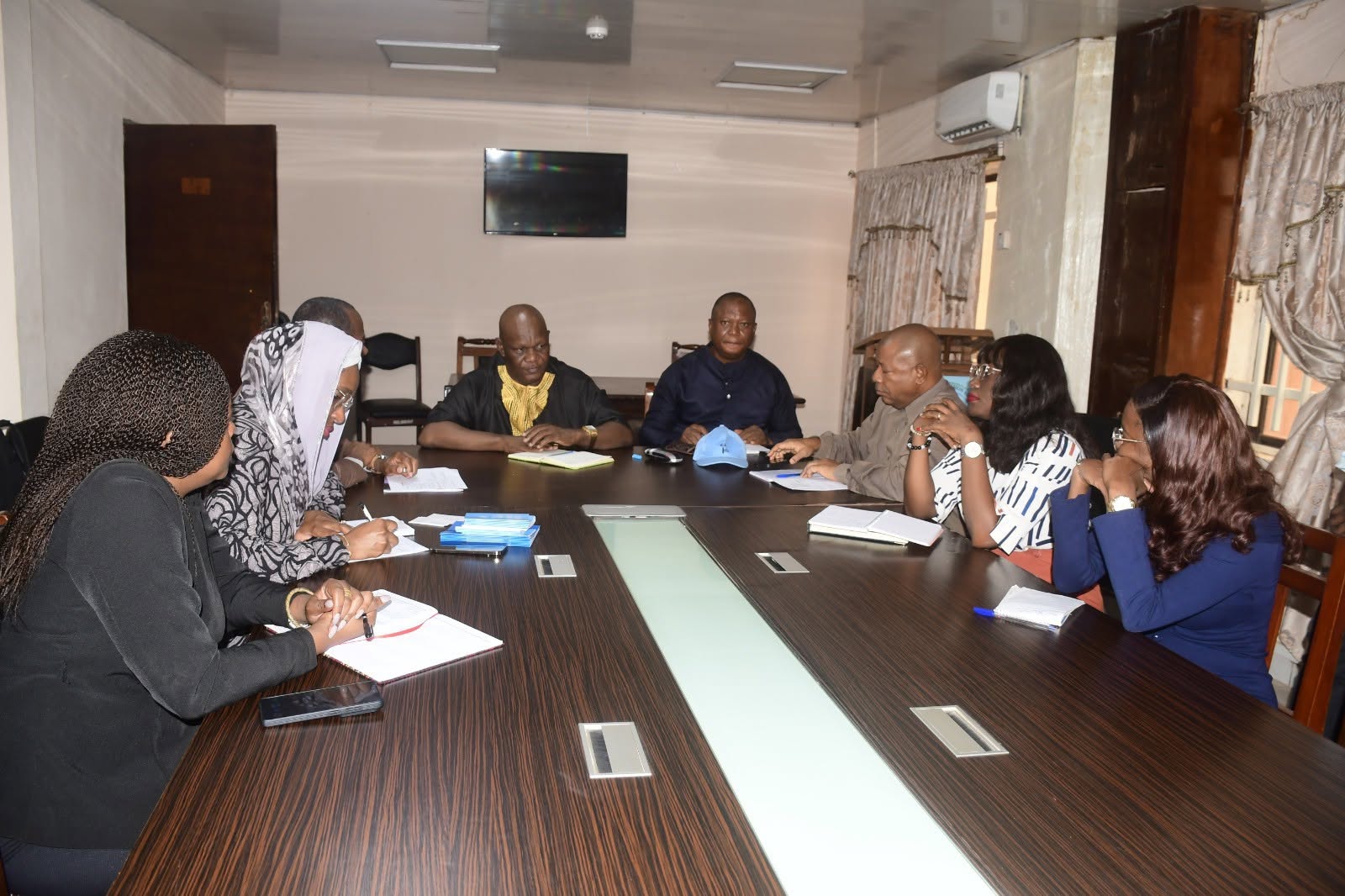
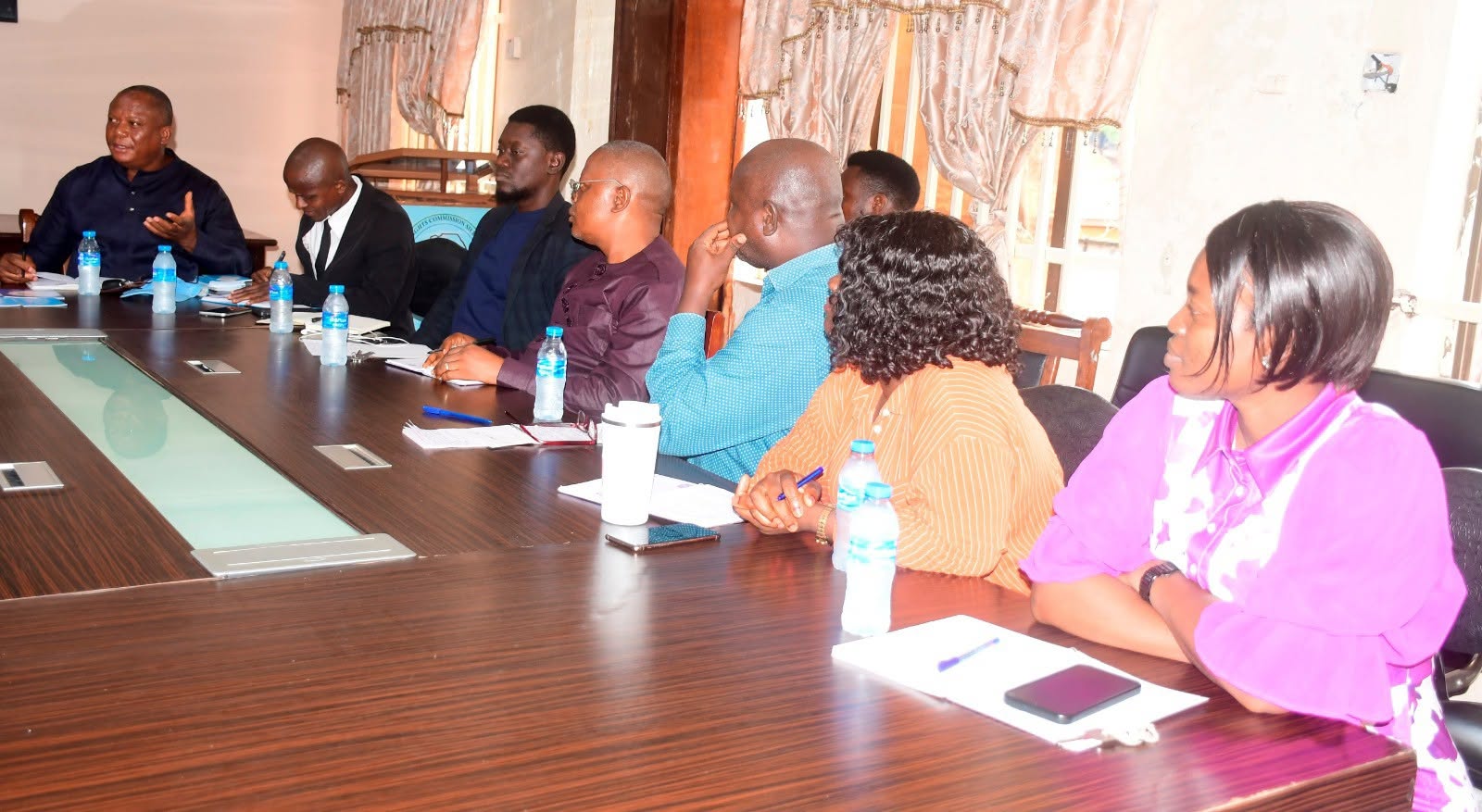
delegation from the Office of the United Nations High Commissioner for Human Rights (OHCHR) West Africa, led by Rodent Katchoni, has concluded a consultative visit to Sierra Leone, highlighting both the resilience of national human rights institutions and emerging operational gaps following the absence of a permanent UN human rights advisor in the country.
The visit underscored a shifting arrangement in which the OHCHR regional office in Senegal has assumed greater responsibility for supporting Sierra Leone’s human rights framework. While the delegation commended ongoing national efforts, it noted that the lack of a sustained in-country presence poses challenges for continuous monitoring, rapid response, and sustained engagement with both government and civil society actors.
The OHCHR team said the mission was aimed at assessing how regional support can be strengthened to complement national institutions during the transition period. It emphasized that while regional mechanisms can provide technical assistance, long-term, locally based presence remains essential for effective oversight and grassroots protection.

During the engagement, Commissioner Hassan Samba Yarjah of the Human Rights Commission of Sierra Leone (HRCSL) highlighted the role of District Human Rights Committees, describing them as the Commission’s frontline mechanism for monitoring and early warning in hard-to-reach communities. He noted that these structures have been instrumental in identifying rights violations and facilitating interventions where formal justice systems are limited.
However, both OHCHR and HRCSL officials acknowledged that these district-level committees require sustained funding, training, and logistical support to operate effectively and expand their reach nationwide.
While reaffirming the HRCSL’s A-Status accreditation as a mark of institutional credibility, the discussions emphasized that accreditation alone is not sufficient to ensure effective human rights protection. Attention was drawn instead to the need for stronger implementation of international obligations, including translating Universal Periodic Review (UPR) recommendations into concrete national reforms, improving treaty reporting, and strengthening follow-up mechanisms.
The OHCHR delegation also pledged continued technical assistance, including tailored capacity-building support aimed at sustaining the Commission’s accreditation and improving institutional effectiveness. The commitment reflects a shift toward more practical, programmatic engagement focused on implementation rather than symbolic endorsement.
The HRCSL’s Directorate of Treaty Bodies Reporting and International Mechanisms, established in 2022, was presented as a key reform that has improved coordination on international reporting and Sustainable Development Goals (SDGs) monitoring. OHCHR officials acknowledged their contribution to Sierra Leone’s recent UPR process, including validation of the Commission’s shadow report.
The meeting concluded with a mutual commitment to deepen cooperation, strengthen coordination platforms, and prioritize district-level human rights protection. Stakeholders emphasized that the immediate priority now lies in translating commitments into funded programmes, structured training, and sustained monitoring systems to ensure consistent protection of human rights across the country.
The engagement was attended by Deputy Executive Secretary Frederick Ibrahim Kamara, Director of Gender and Children’s Affairs Ann-Marie Balboa, and Vicky Karimi, Institutional Development Advisor at the Office of the UN Resident Coordinator in Sierra Leone.