Post a comment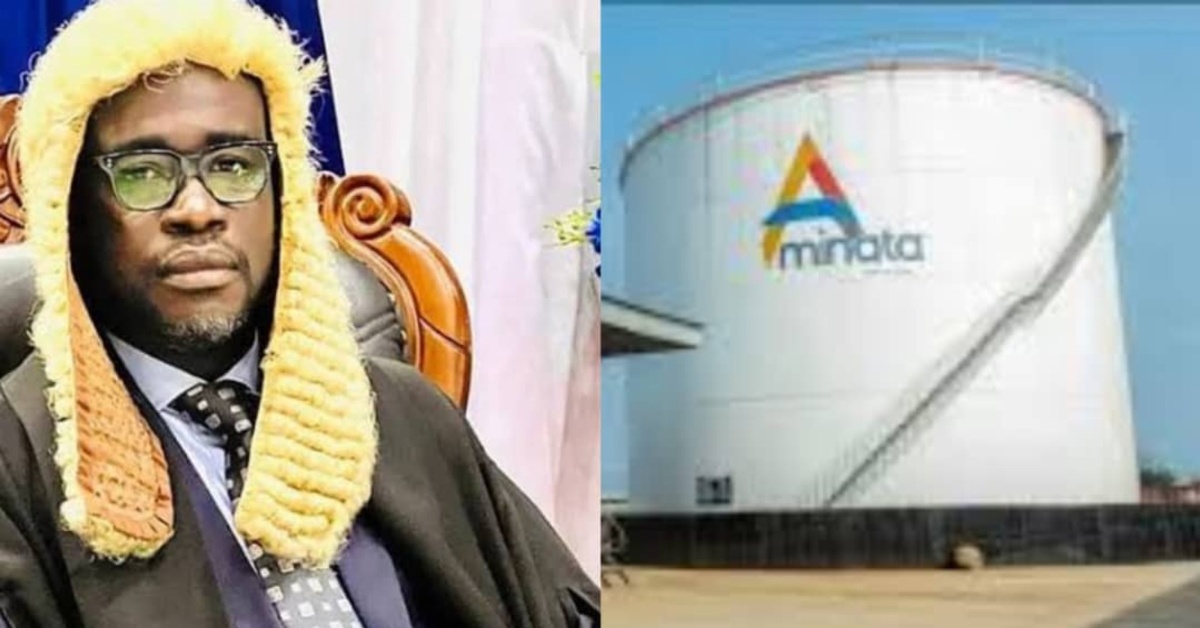
The Deputy Speaker of Parliament and Chairman of the Public Accounts Committee, Hon. Ibrahim Tawa Conteh, expressed strong reservations over the proposed tax concessions and deferred tax arrangements for Aminata and Sons Limited, arguing that the agreement would result in substantial revenue losses for the Government of Sierra Leone while offering limited economic benefits.
Speaking on Truth Media’s Morning Devotion Program on Monday 15th June 2026, Hon. Tawa Conteh explained that the agreement attracted his attention after it appeared on Parliament’s Order Paper as a public document requiring legislative scrutiny. He disclosed that although the matter had been scheduled for consideration two weeks earlier, it was not included under the previous presiding officer’s order. When efforts were later made to amend the agenda to include it, he objected, citing the far-reaching financial implications of the proposal and Parliament’s constitutional responsibility to protect the country’s economic interests.
He acknowledged that Aminata and Sons Limited has operated in Sierra Leone for nearly five years and has become one of the country’s leading petroleum importers. He noted that the company imported approximately 15.5 million litres of petroleum products in January alone, demonstrating its strong commercial position within the petroleum sector.

Despite recognising the company’s investment, Hon. Tawa Conteh questioned the justification for granting a three-year deferred tax concession to support the construction, rehabilitation and maintenance of petroleum storage facilities. He argued that storage infrastructure is not currently among Sierra Leone’s most pressing national priorities and maintained that established petroleum marketing companies operating in a mature and profitable industry should finance such investments from their own earnings rather than relying on government incentives.
The Deputy Speaker stressed that the petroleum sector remains one of government’s most reliable sources of domestic revenue, generating income through import duties, infrastructure development taxes, goods user charges and other statutory payments. He warned that the proposed deferred tax arrangement would cost the government approximately US$33 million over three years, equivalent to about US$11 million annually, representing a significant loss to the national treasury.
Hon. Tawa Conteh further explained that tax holidays and waivers should primarily be reserved for genuine productive investments in virgin industries, such as mining exploration or other sectors that create substantial employment opportunities and stimulate economic growth. He argued that extending similar incentives to already profitable petroleum companies undermines sound fiscal policy and deprives the state of much-needed revenue.
He also questioned agreements that permit companies to claim large investment expenditures without clearly demonstrating corresponding economic value or national benefit. Referring to Aminata and Sons Limited, he noted that it had previously operated in Liberia, suggesting that Parliament must carefully examine such investment proposals before granting fiscal incentives.
Addressing Parliament’s oversight role, Hon. Tawa Conteh maintained that the Legislature has a constitutional obligation to scrutinise executive decisions in the national interest. While commending President Julius Maada Bio for his efforts to mobilise resources for national development, he remarked that no President can personally examine every detail of every agreement approved by Cabinet. He therefore argued that Parliament serves as an essential safeguard by independently reviewing agreements and identifying issues that may have escaped earlier scrutiny.
He acknowledged that Cabinet approval forms part of the government’s decision-making process but insisted that parliamentary oversight remains indispensable. According to him, agreements should undergo rigorous technical assessment by relevant committees before reaching Cabinet, while Parliament must exercise its independent authority to ensure that public resources are adequately protected.
Illustrating the financial implications of the proposed arrangement, Hon. Conteh explained that the deferred taxes amount to approximately 263 billion old leones. He argued that if the government were to retain those funds in fixed deposits earning interest rates exceeding 25 percent while effectively charging the beneficiary only five percent through the deferred payment arrangement, the state would incur a substantial opportunity cost by effectively subsidising a private business with public resources.
Comparing Sierra Leone’s approach with practices elsewhere in the region, Hon. Conteh observed that countries such as Liberia and Côte d’Ivoire generally do not grant tax concessions to established oil marketing companies. Instead, he said investors are expected to finance their commercial operations independently or invest elsewhere if they are unwilling to do so without government incentives.
He concluded by reaffirming Parliament’s commitment to protecting the country’s financial interests and preventing unnecessary revenue losses. He disclosed that the matter would be referred to the Minister of Finance for further consideration and expressed confidence that the government would ultimately reject the proposed concession. He further indicated that the agreement would no longer be scheduled for parliamentary debate in its current form.
In another development, reports from Liberia indicate that Aminata & Sons Corporation, one of the country’s leading suppliers of petroleum products, was reportedly linked to allegations of financial impropriety, prompting civil society activists to oppose the company’s participation in certain government-related petroleum transactions.
The Citizens Solidarity Movement led calls on Liberia’s Ministry of Commerce and Industry to disqualify Aminata & Sons from participating in a second bidding process for the sale of Japanese-donated petroleum products. The company had previously managed the sale of the donated petroleum products and was reportedly seeking to participate in another round of bidding.
The bidding process officially opened on Friday, December 10, 2015, at Liberia’s Ministry of Commerce and Industry following a meeting with companies competing for the contract.