

Foreign Minister Kabba Calls for Engineering Excellence and Stronger Partnerships at SLIE Biennial Conference
 Osman Tolo Sesay
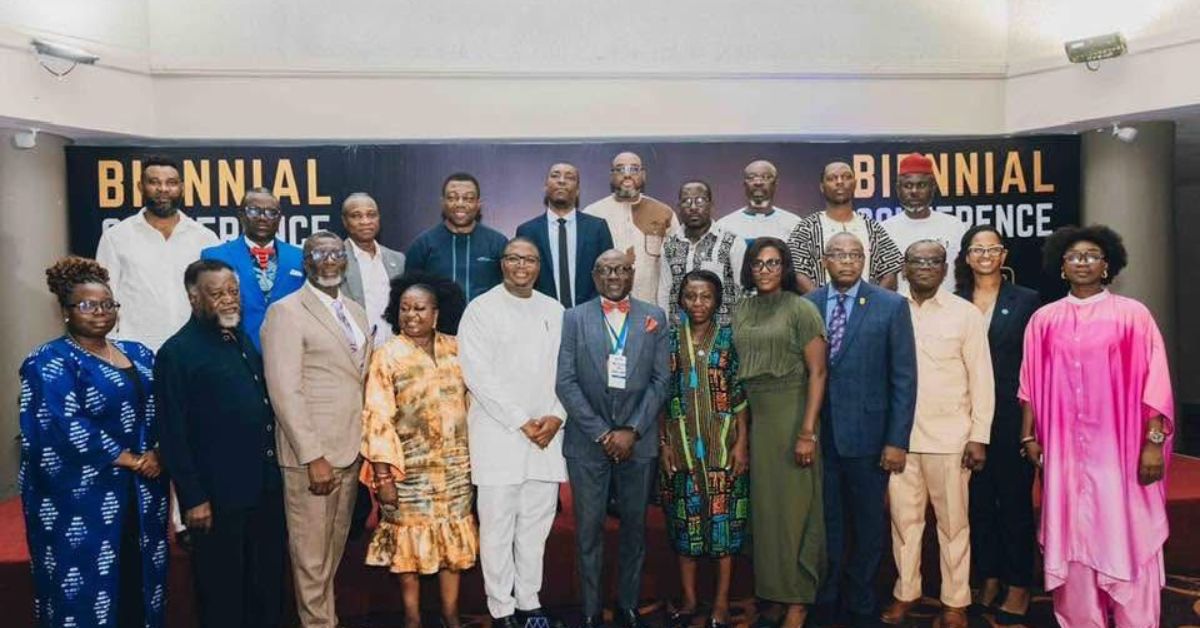
 Hon. Timothy Musa Kabba, Minister of Foreign Affairs and International Cooperation, delivered the keynote address at the Sierra Leone Institution of Engineers (SLIE) Biennial Conference 2026 in Freetown, held under the theme “Engineering the Sierra Leone We Desire: A Sustainable Approach”.
Addressing the President and Chairman of SLIE, Council members, engineering leaders, development partners, investors, academia, students, and young innovators, Kabba reflected on his own path into engineering. He said he initially intended to study civil engineering at Fourah Bay College to contribute to rebuilding Sierra Leone after the civil war, but later pursued petroleum engineering in Russia, earning a Specialist degree and working with companies including Rosneft and Lukoil in several countries before returning to drill exploration wells in Sierra Leone, Ghana, Nigeria, and Côte d’Ivoire.
Kabba said engineering is “at its core, an act of faith,” requiring a vision of possibility sustained by rigour, precision, and persistence. He stated that the conference theme is a declaration that Sierra Leone must be deliberately designed, built, and maintained.

He highlighted Sierra Leone’s natural endowments, including fertile soil, hydrocarbons, minerals, a 500-kilometre coastline, rivers, and a young population, but stressed that endowment alone does not build a nation. He described infrastructure such as roads, energy systems, and water and sanitation not only as physical assets but as enablers of economic integration, healthcare, education, and dignity.
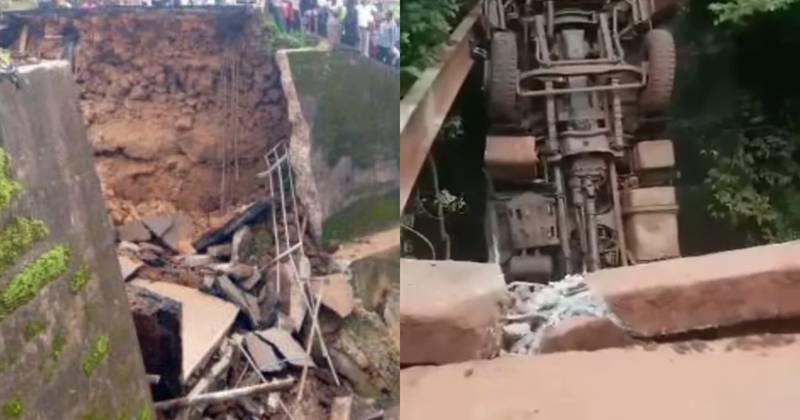

Kabba acknowledged existing infrastructure deficits in roads, energy access, water and sanitation, and ports, and said the Government, under President Dr. Julius Maada Bio, has made significant investments in energy, roads, and clean water. He added that bridging the infrastructure gap requires a partnership between government, the private sector, development partners, and the engineering profession, built on trust, accountability, and commitment to quality and longevity.
He urged SLIE to act as a guardian of standards and technical authority, noting that failed infrastructure often results from weak enforcement of standards rather than lack of funding. He committed to supporting efforts to strengthen professional and institutional frameworks for quality engineering.
On climate change, Kabba said Sierra Leone is acutely vulnerable to flooding, coastal erosion, and events like the 2017 Regent mudslide. He argued that climate resilience engineering must be a core requirement in the design of roads, buildings, drainage, coastal defences, and energy installations. He also said the energy transition offers an opportunity to build rural energy systems on renewable foundations, citing solar, hydropower, and wind as increasingly cost-competitive alternatives to diesel.
Drawing on his experience in the energy sector, Kabba said investor confidence in a country depends on credible institutions, competent professionals, predictable regulation, and maintenance standards. He said his work as Foreign Minister involves making an investment case for Sierra Leone, and that the credibility of the engineering workforce directly affects the country’s ability to attract investment and partnerships.
He called on regional and international engineering bodies to view engagement with Sierra Leone as a continental investment, and urged young engineers to commit to their best work. He closed by asking what Sierra Leone desires in terms of drainage, energy access, and industrialization, and said those goals must be deliberately, patiently, and excellently built.