


 1 Comment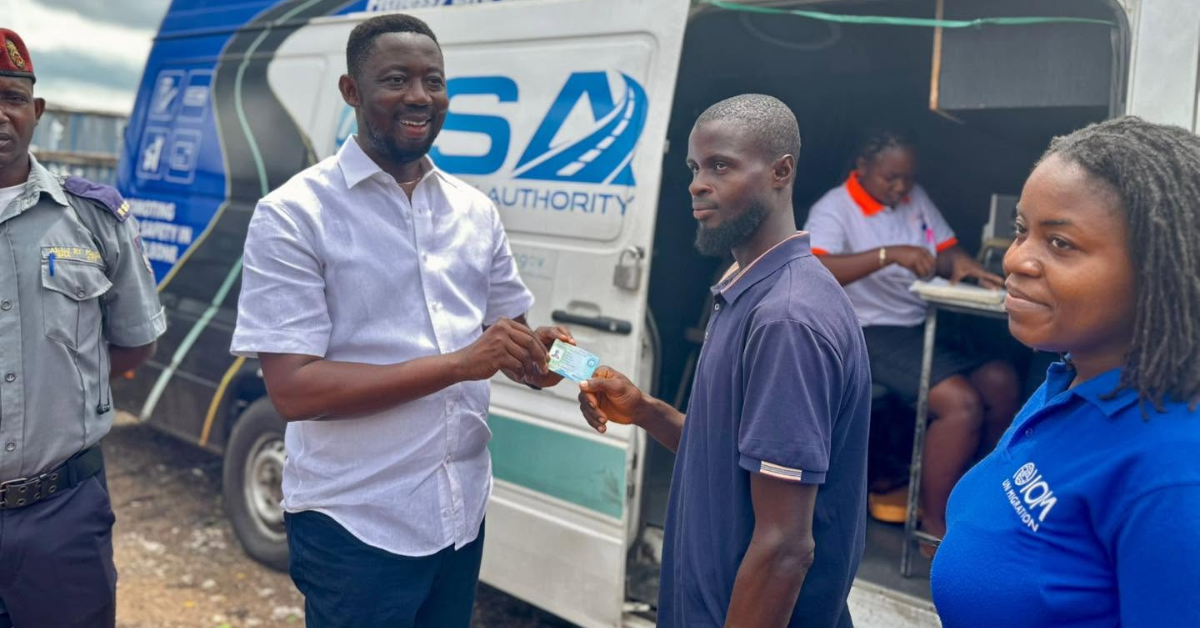
The Government of Sierra Leone, through the National Youth Commission (NAYCOM), has issued driver’s licenses to 60 return migrants who completed a professional driving training programme implemented in partnership with the International Organization for Migration (IOM).
The certificates and licenses were presented on 25 June 2026 at the Obasanjo Skills and Acquisition Centre in Waterloo, Newton, marking the completion of a skills development initiative aimed at supporting the reintegration of returning migrants through employment and entrepreneurship opportunities.
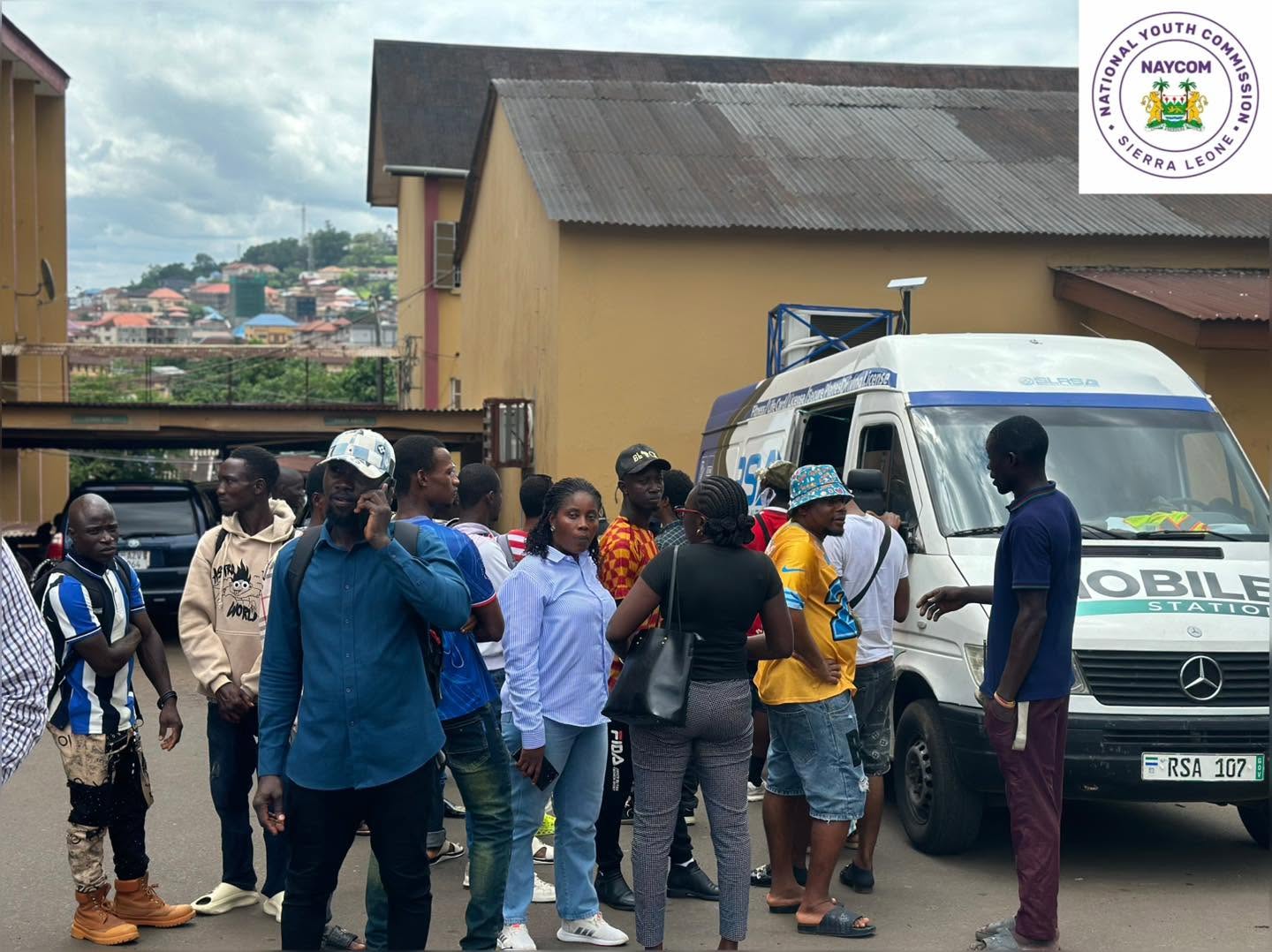
The programme combined practical driving instruction, road safety education, formal assessments, and licensing procedures to ensure that beneficiaries met national standards for safe and responsible driving.

Speaking during the presentation ceremony, NAYCOM Commissioner Joseph Maada Lahai described the licenses as the beginning of a new chapter for the beneficiaries, urging them to drive responsibly and use the opportunity to build productive and sustainable livelihoods.
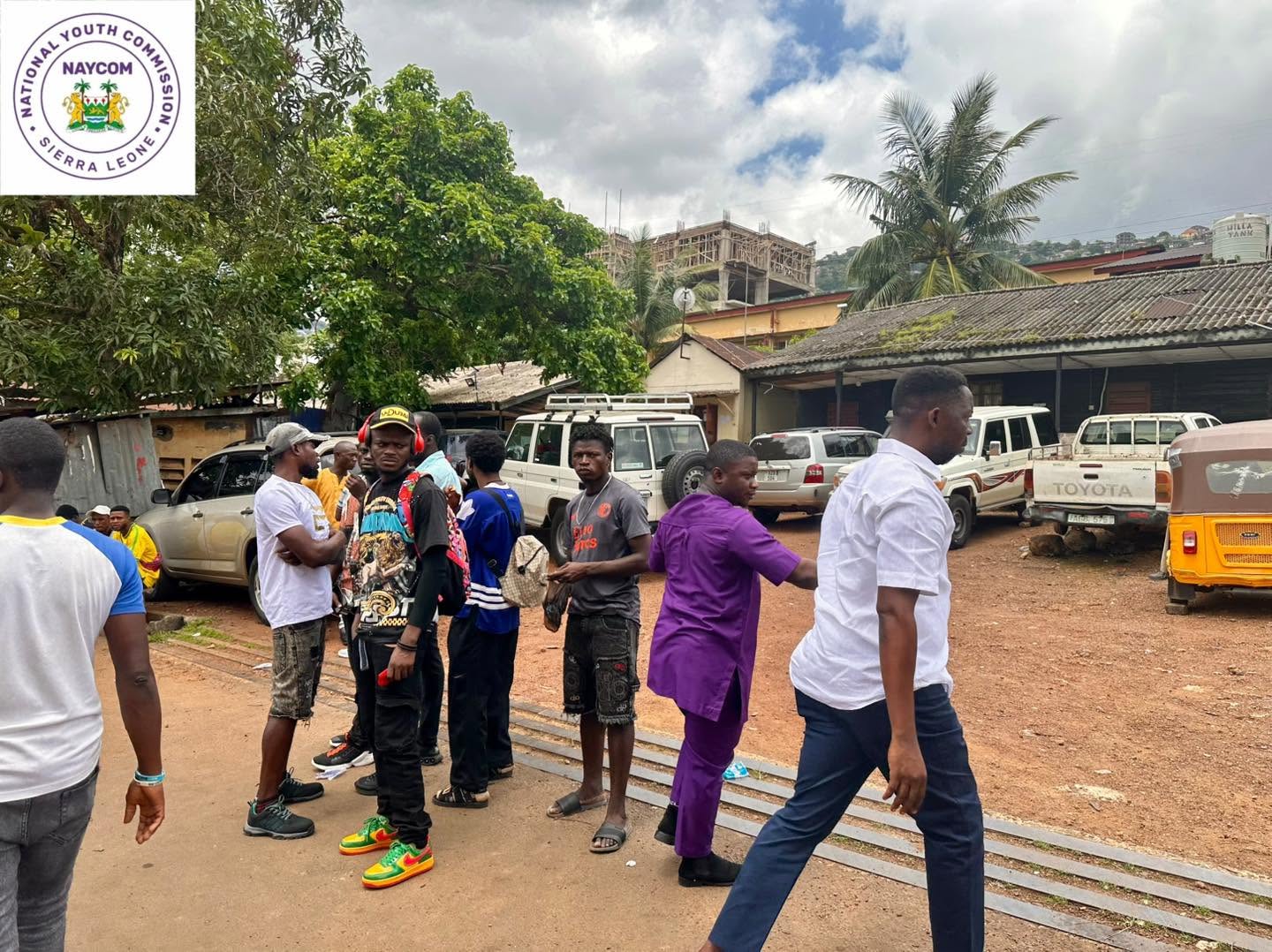
The initiative targets return migrants seeking to rebuild their lives after returning to Sierra Leone. By obtaining official driver’s licenses, the beneficiaries are expected to access employment opportunities within the transport, logistics, delivery, and commercial driving sectors.
Many of the graduates, including young people, women, and parents returning from abroad, can now legally engage in income-generating activities such as taxi services, courier operations, and small-scale transport businesses. The licenses also improve mobility and access to essential services, including healthcare, education, and markets.
IOM provided technical support for the programme, while NAYCOM coordinated participant recruitment and local implementation. The partnership was designed to ensure that vocational training is linked directly to recognized certification, increasing the prospects for long-term employment and economic reintegration.
IOM National Project Officer Sia Moses-Kabba commended the beneficiaries for completing the programme and expressed appreciation to NAYCOM for its collaboration in supporting returning migrants.
Officials noted that the initiative contributes to community resilience by equipping beneficiaries with certified skills that can generate income and promote social reintegration.
They further emphasized the need for continued investment, private sector engagement, and access to business support services to help graduates transition from training to sustainable employment and entrepreneurship.
The government and its partners described the programme as a practical model for migrant reintegration, combining vocational training with nationally recognized credentials to improve livelihoods and strengthen local economic development.


Good one