

2,542 Bags of Rice Distributed to Ebola Survivors, PoPDA Members in Northeast Sierra Leone
 Aaron Parker
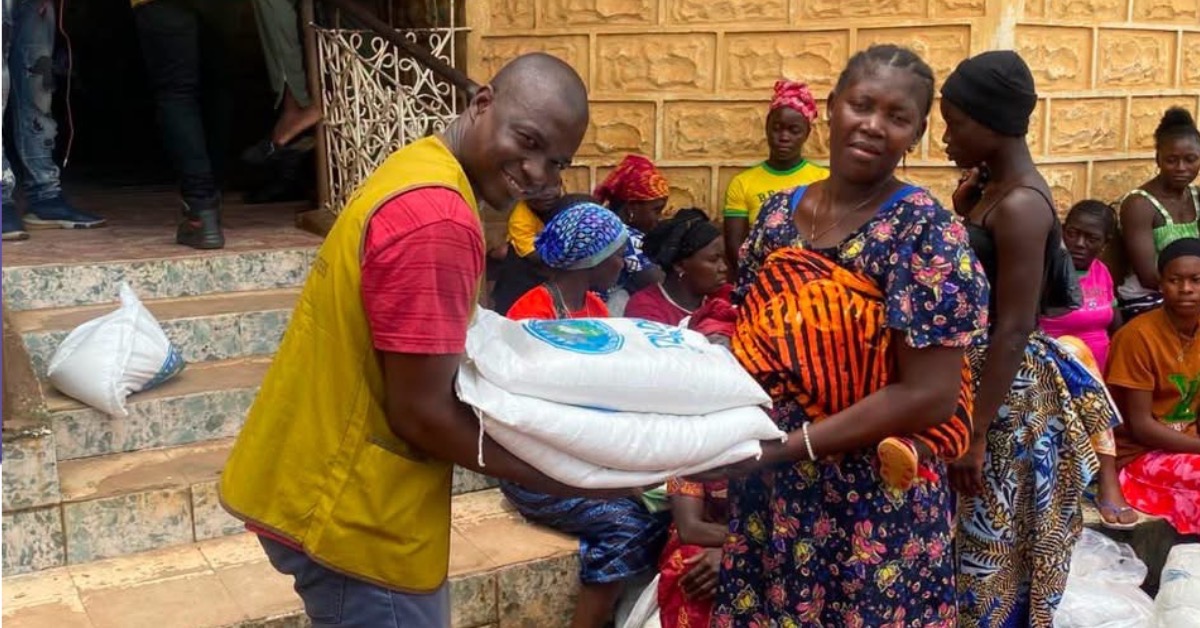
 A total of 2,542 bags of white rice are being distributed to Ebola virus disease (EVD) survivors and members of the Polio Persons Development Association (PoPDA) across Bombali, Falaba and Tonkolili districts as part of a humanitarian relief initiative.
The distribution, which began on Wednesday, August 19, 2026, is being implemented by Healey International Relief Foundation in partnership with Tzu Chi, Caritas and Lanyi Foundation.
The exercise commenced at the Ministry of Social Welfare Office on Field Road in Makeni, which is serving as the central distribution hub for the wider Northeast region.

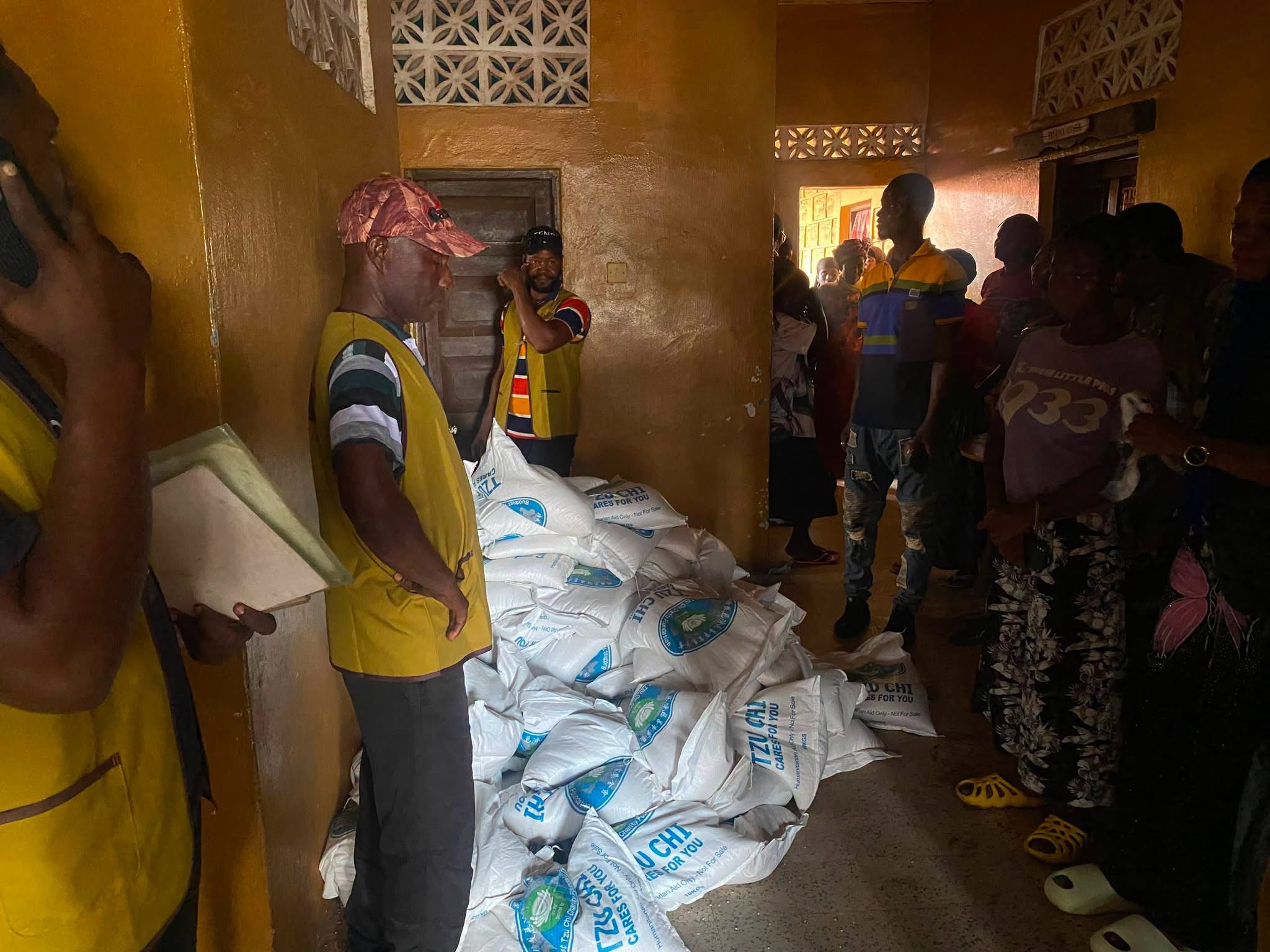



Of the total allocation, 2,424 ten-kilogramme bags have been earmarked for EVD survivors, while an additional 118 bags are allocated to PoPDA beneficiaries.
Under the distribution arrangement, each female EVD survivor is receiving four 10kg bags, equivalent to 40kg of rice, while each male survivor is receiving three bags, totalling 30kg.
PoPDA beneficiaries are also receiving three 10kg bags each, with the 118 bags drawn from the association’s dedicated allocation.
The distribution covers 472 EVD survivors in Bombali, who are allocated 1,646 bags. In Falaba, 48 survivors in Kumala are set to receive 165 bags, while 181 survivors in Tonkolili, covering Mile 91 and Magburaka, are allocated 613 bags.
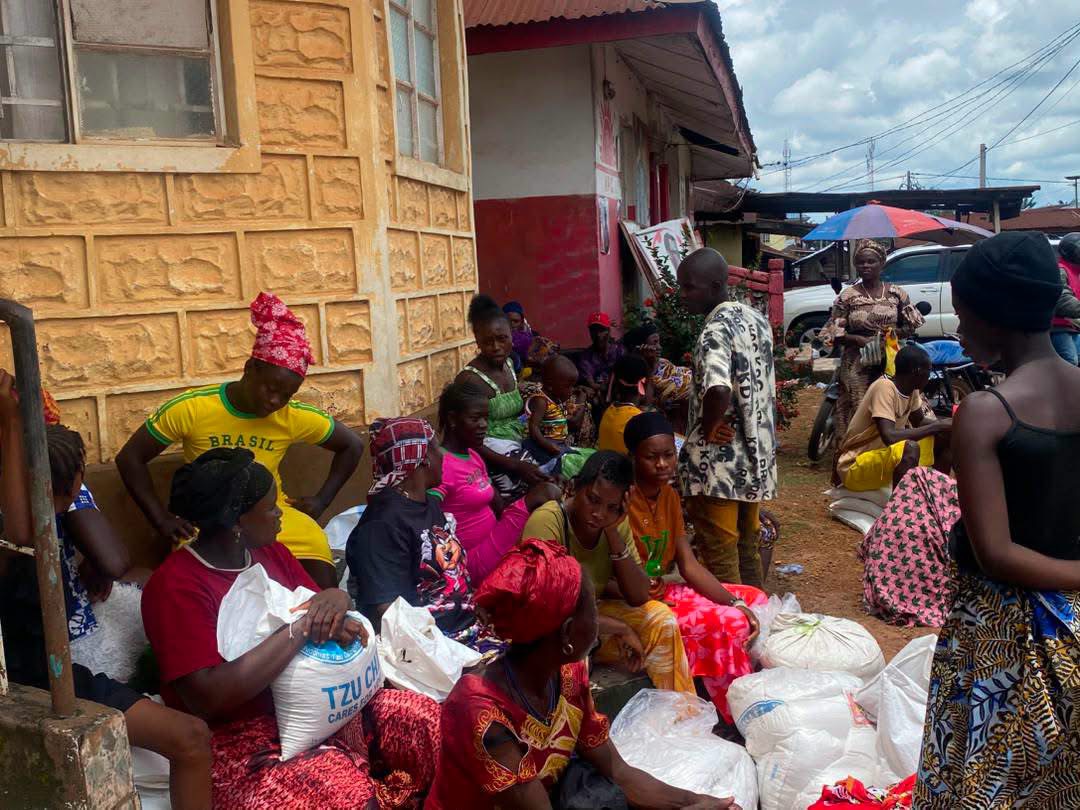
The district allocations collectively account for the full 2,424 bags designated for EVD survivors across the Northeast.
Speaking on behalf of the national leadership, the Deputy Director for the Northeast region expressed appreciation to the organisations supporting the initiative.
The Deputy Director thanked Healey International Relief Foundation and its partners for their continued assistance to EVD survivors and PoPDA members, while appealing for further support.
“We remain grateful and look forward to receiving more support of this nature,” the Deputy Director said.
The latest intervention highlights the continued efforts by humanitarian organisations and the Ministry of Social Welfare to provide assistance to vulnerable groups affected by past public health emergencies and other challenges.