

Sierra Leonean Woman Stranded in Brazilian Airport for Six Months Gets Help to Reunite with Son
 Bernice Bangura
 A 56-year-old Sierra Leonean woman who has been living at an airport in Brazil for six months after her passport was stolen is finally receiving the help she needs to continue her journey.
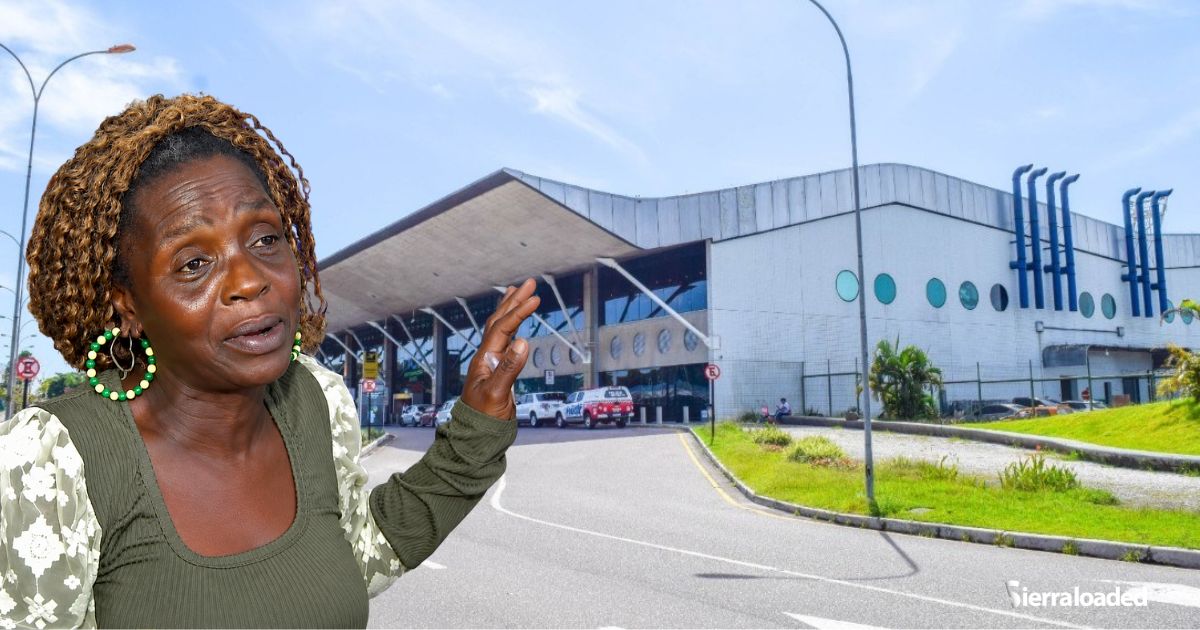
Fatmata Sessay has been sleeping on the floor of the Belém International Airport in Pará, Brazil, since December. She was attempting to travel to Panama to reunite with her 15-year-old son when a series of robberies left her stranded.
A Difficult Journey
Sessay had lived in São Paulo, Brazil, for 18 years before setting out late last year to join her son in Panama. Traveling alone, she was first robbed in Peru but managed to reach Suriname with the help of volunteers. From there, she was advised to travel to Belém, Brazil, to catch a flight to Panama.

Tragically, shortly after arriving in Belém, she was robbed again. A thief stole her passport and the donated plane ticket she was supposed to use on April 16.


With no money and a severe language barrier—Sessay primarily speaks Krio and struggles with Portuguese—she set up camp at the airport where she felt safe. During the day, she used a local municipal center for the homeless to shower and eat, but she refused to sleep at city shelters because she feared for her safety on the streets.
Her situation recently caught the attention of Brazilian authorities. The Public Ministry of Pará stepped in and purchased a new ticket to Panama for her, scheduled for Monday, June 22.
“No one helped me here. It was just you who bought my ticket. Thank you very much,” an emotional Sessay told Nadilson Portilho, the prosecutor handling her case. “God willing, I will find my son and start my life over again.”
On Friday, a Brazilian federal judge also ordered the local state government and the Ministry of Foreign Affairs to provide Sessay with immediate consular assistance. Authorities have been given 48 hours to coordinate with the Sierra Leonean diplomatic mission in Washington to help her secure the necessary transit visas for Colombia and Panama, as well as an international vaccination card.
Brazilian prosecutors criticized how Sessay’s case was handled over the past six months, arguing she was left in a state of high social vulnerability. Sadi Machado, a regional prosecutor for citizens’ rights, stated that the authorities’ failure to act sooner involved elements of racism and xenophobia, noting that a tourist from Europe would not have been left in the same conditions.
Since her story broke in the Brazilian media, local citizens have flocked to the airport offering her food, support, and a place to stay until she boards her flight.