

PCMH Records 22% Drop in Maternal Deaths in 2025
 Daniel Amara
 Sierra Leone’s largest maternity hospital reduced deaths from 84 to 64 in a single year — and now targets near-zero preventable cases by 2026 as specialist staffing and international partnerships take hold.
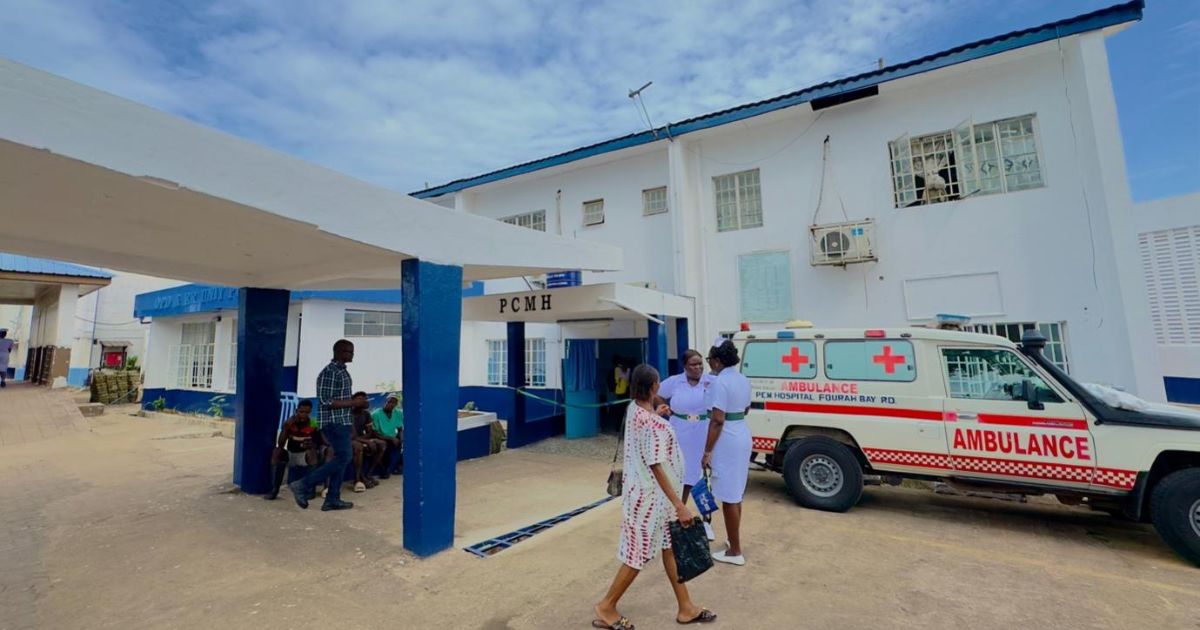
The Princess Christian Maternity Hospital (PCMH), Sierra Leone’s foremost public maternity facility, recorded a significant decline in maternal mortality last year, with deaths falling from 84 cases in 2024 to 64 in 2025 – a 22 per cent reduction that officials say reflects the growing impact of coordinated investments in specialist care, training, and health system strengthening.
The figures were contained in the hospital’s Official Annual Report, launched Tuesday morning at the New Brookfields Hotel in Freetown before an audience of health officials, development partners, and civil society representatives. The report, which covers the 2025 calendar year, presents PCMH’s performance across a range of maternal and newborn health indicators.

The Ministry of Health and partners – in particular Doctors with Africa CUAMM, an Italian non-governmental organisation with a long-standing presence at the facility — were cited prominently in the report as key contributors to the gains recorded. CUAMM’s investments have supported infrastructure, staffing, and clinical protocols at PCMH, where maternal emergencies remain a daily reality for women arriving from across Freetown and beyond.



Central to the progress, the report emphasises, is the strengthened presence of specialist doctors at PCMH. Beyond their direct clinical role in managing high-risk deliveries and obstetric emergencies, these specialists have become an anchor for institutional learning — training nurses, midwives, and junior doctors in life-saving techniques that extend their impact well beyond individual patient encounters.
The launch comes at a significant moment for Sierra Leone’s maternal health agenda. The country is currently advancing the Days of Activism campaign, a national drive calling for zero preventable deaths among mothers and babies. In alignment with that goal, the Ministry of Health has set an ambitious target for PCMH: achieving near-zero preventable maternal deaths by 2026.
While the 22 percent decline marks notable progress, health advocates have noted that every one of the 64 deaths recorded in 2025 represents a life that may have been saved with timely, quality care. The road to near-zero will require sustained investment, retention of skilled professionals, and unbroken supply chains for essential medicines and equipment — all areas the Ministry says it is actively working to address.
PCMH handles thousands of deliveries annually, including a disproportionate share of referral cases — the most complicated and highest-risk pregnancies in the country. Its performance, for better or worse, functions as a mirror of the national system.