Post a comment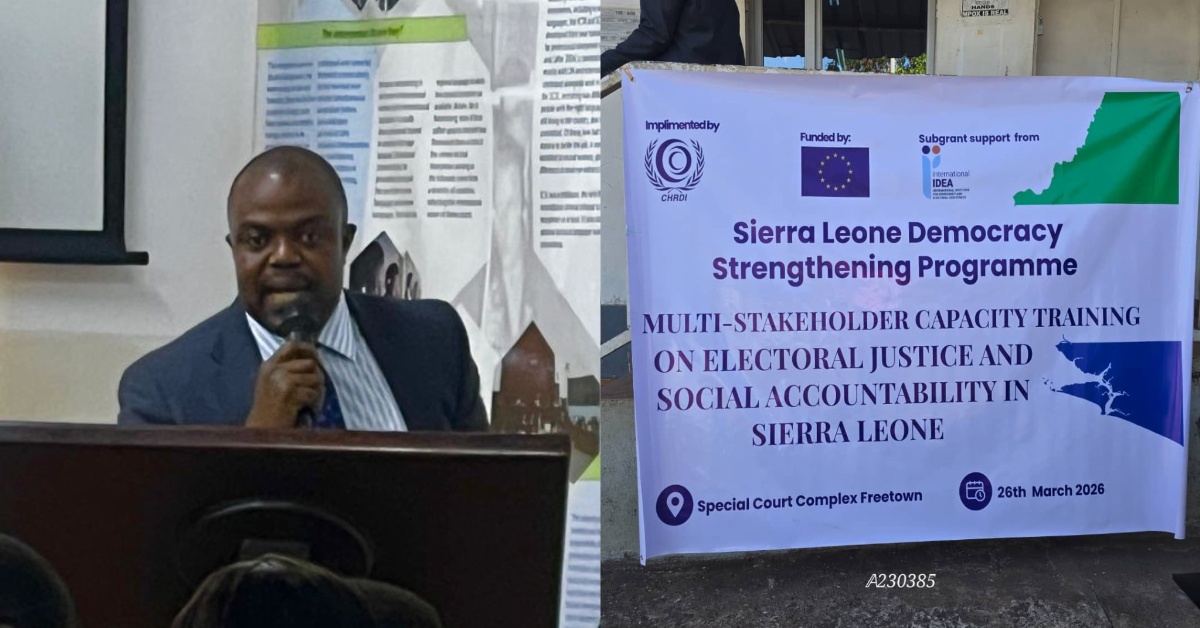
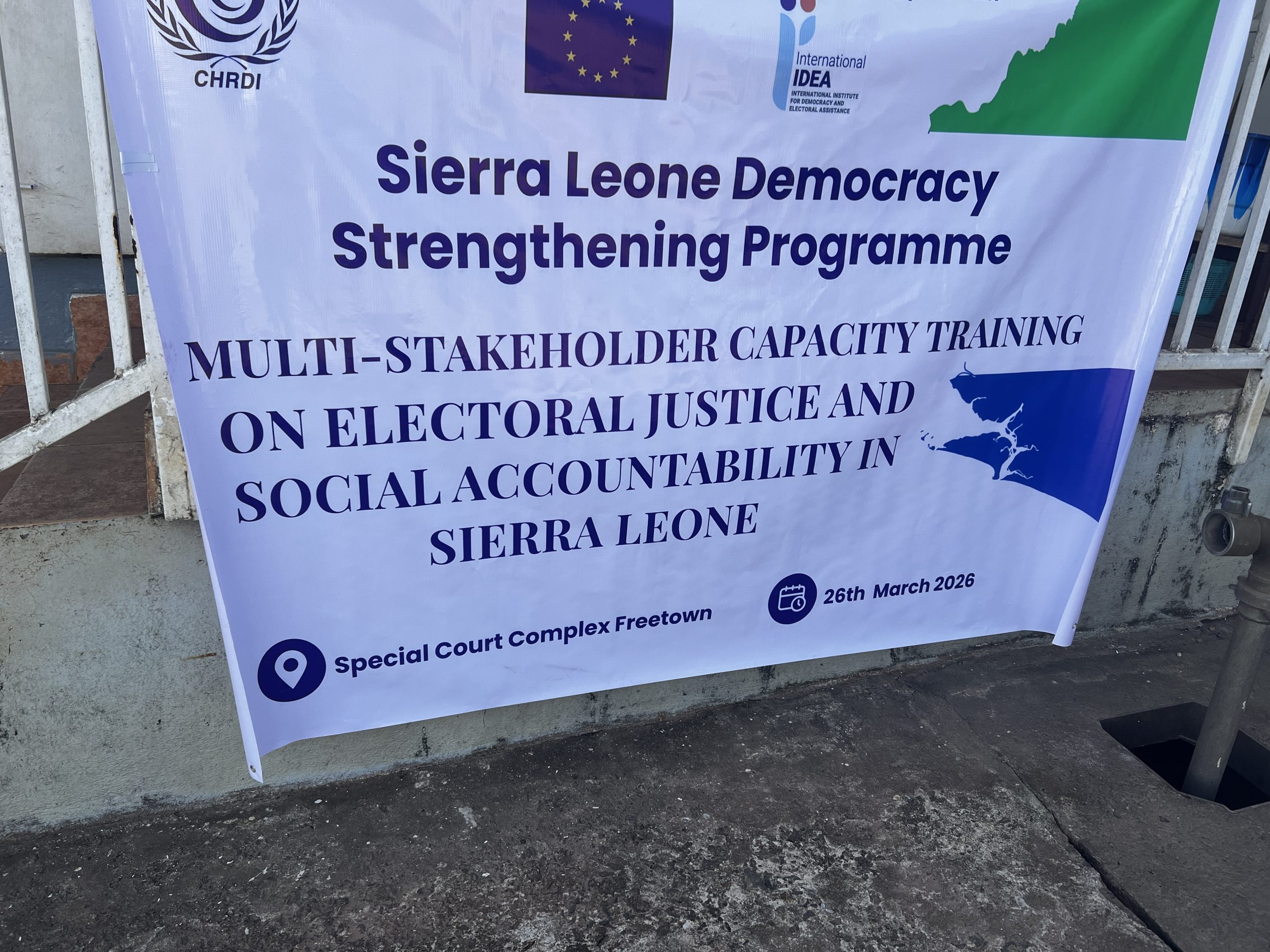
The Campaign for Human Rights and Development International (CHRDI) has convened a multi-stakeholder capacity-building training on electoral justice and social accountability at the Special Court Building in Freetown on Thursday, 26th March 2026.
The initiative is funded by the European Union with subgrant support from the International Institute for Democracy and Electoral Assistance.
The training brought together key actors from Sierra Leone’s electoral and justice sectors, including representatives from the Electoral Commission for Sierra Leone (ECSL), Political Parties Regulation Commission (PPRC), Office of National Security (ONS), the military, the police, legal practitioners, and civil society organizations.
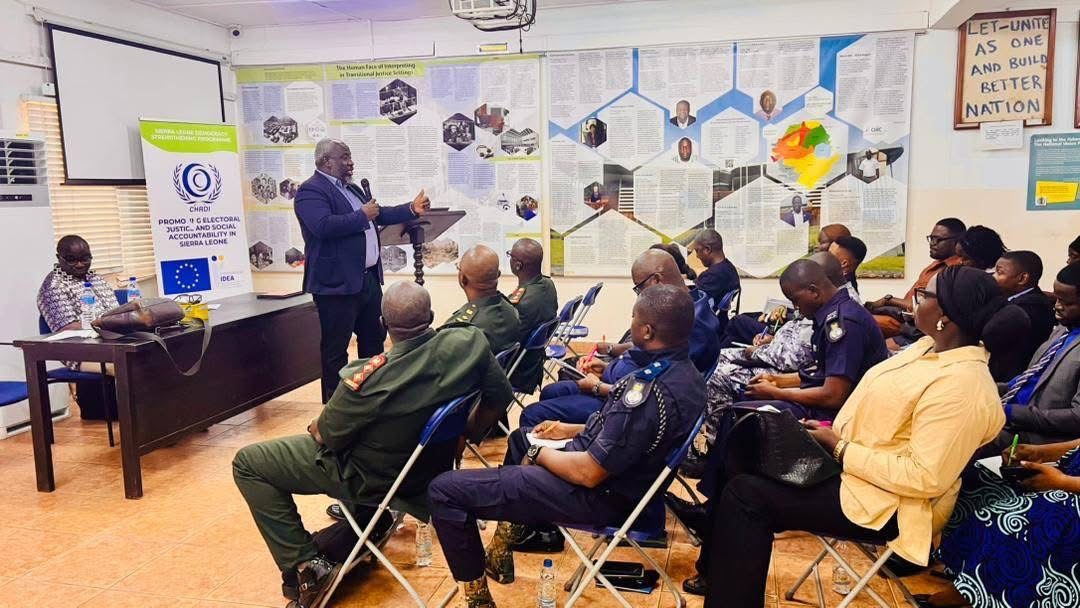
Delivering the opening statement, CHRDI Programmes Officer, Sahr Sheku Davowah, highlighted persistent systemic weaknesses in the country’s electoral processes despite notable progress. He noted that challenges such as limited public trust, weak accountability mechanisms, and constraints within the justice sector continue to undermine effective electoral dispute resolution.
Davowah stressed that strengthening electoral justice and social accountability is essential to safeguarding democratic legitimacy. He warned that when citizens feel unsafe during elections or perceive the justice system as ineffective, democratic progress is threatened. He added that the training is designed to enhance transparency, inclusivity, and coordination among stakeholders, while equipping participants with the tools needed to address electoral violence and uphold justice.
“The programme will build the capacity of justice sector actors and foster collaboration among the police, judiciary, legal practitioners, and civil society,” he said, noting that it will also support long-term institutional development and improved responses to electoral-related challenges.
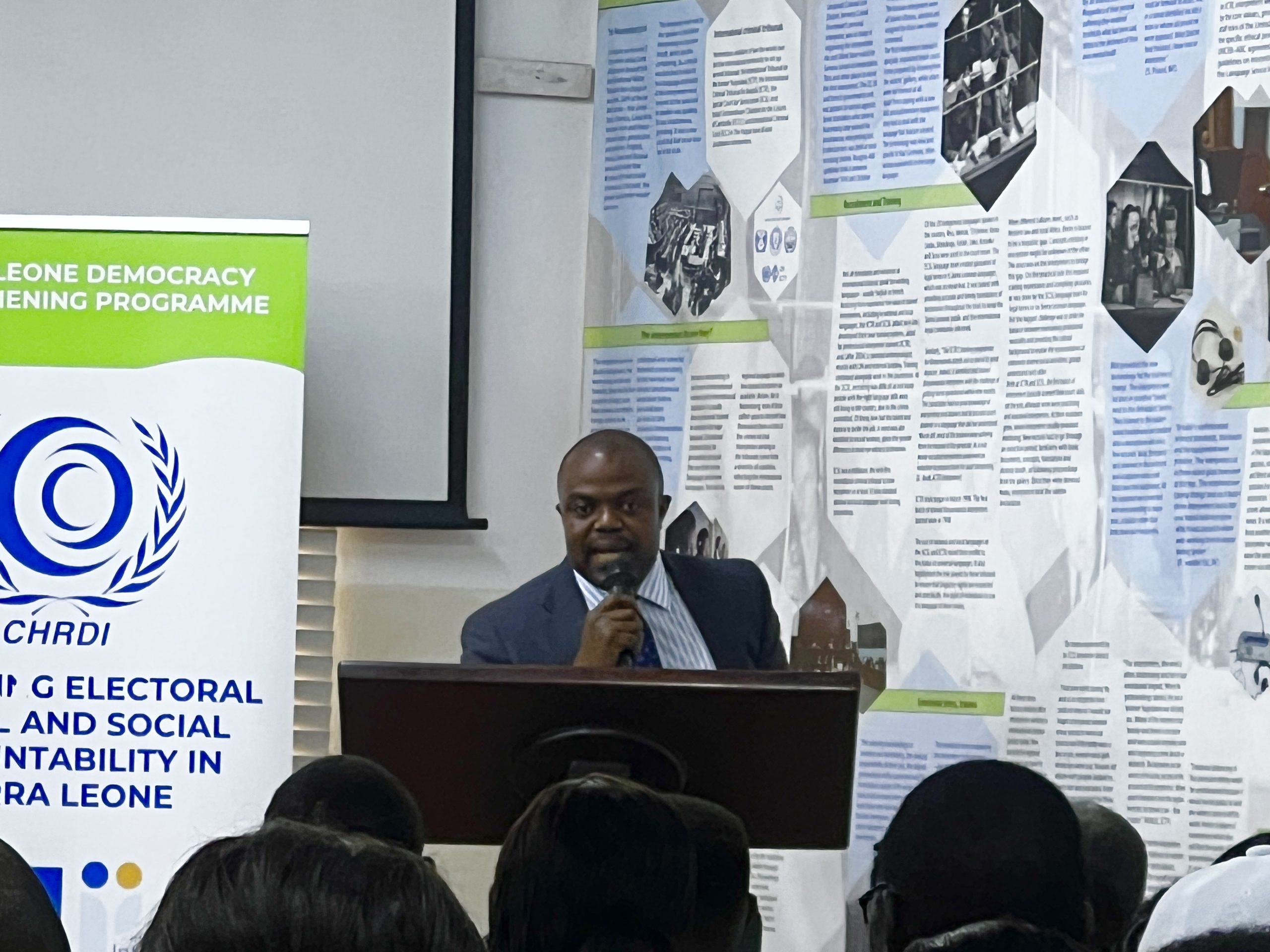
Chief Executive Officer of CHRDI, Abdul Fatoma, explained that the training forms part of a broader EU-funded project implemented with support from International IDEA. He said the initiative was developed in response to identified capacity gaps in handling electoral justice issues and promoting accountability throughout the electoral cycle.
Fatoma emphasized that electoral justice goes beyond the enforcement of laws, describing it as a critical tool for strengthening the credibility, integrity, and legitimacy of elections. He further disclosed that CHRDI is conducting a baseline study to gather evidence on electoral violence and justice-related challenges before, during, and after elections.
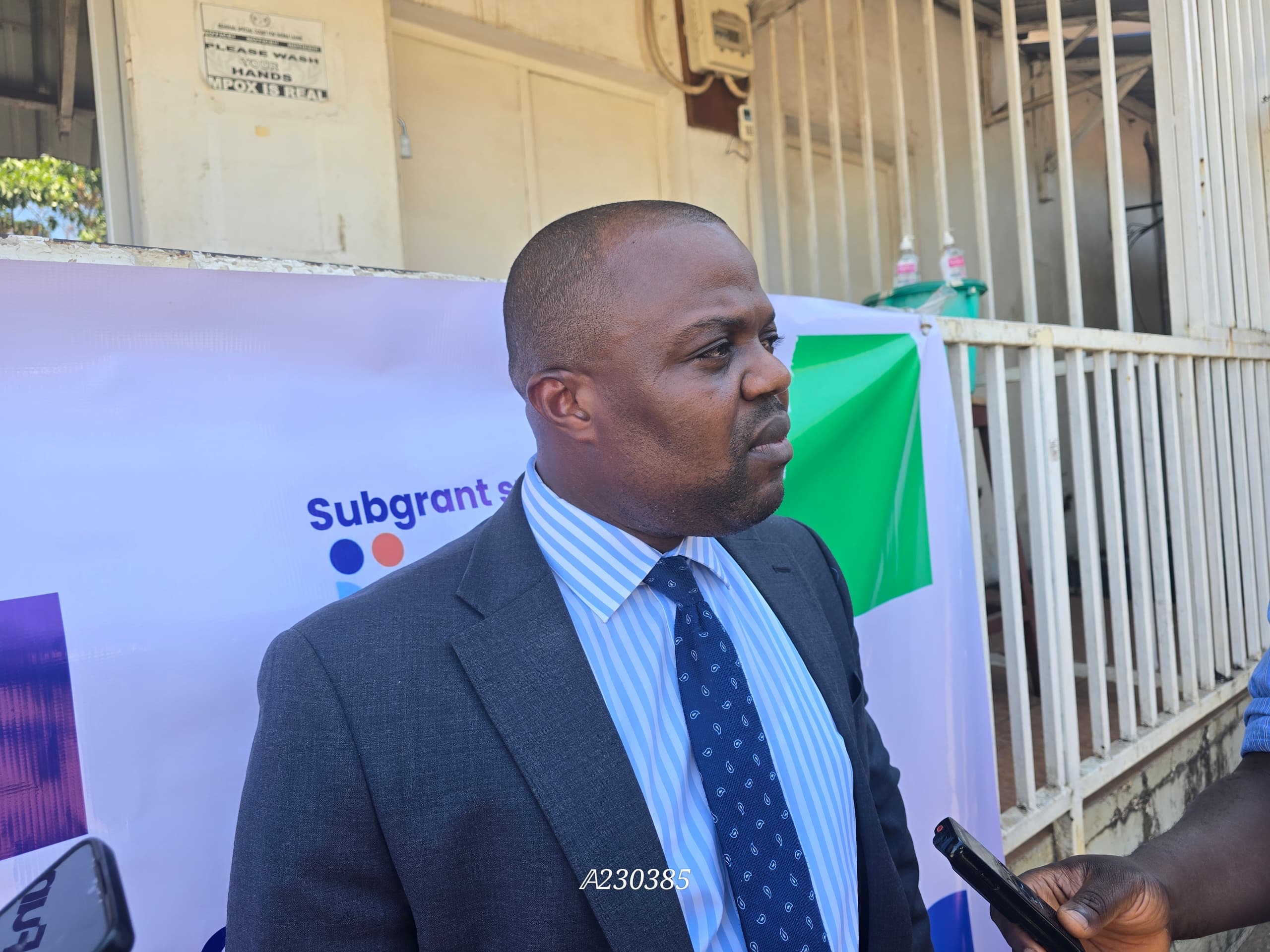
According to him, findings from the study will inform a comprehensive report with recommendations aimed at reducing electoral violence and improving accountability mechanisms in Sierra Leone. He added that the organization has engaged political parties, security institutions, and other stakeholders during the data collection process to ensure inclusivity and accuracy.
Also speaking at the event, Mawusi Yaw Dumenu, Programme Officer for Elections at International IDEA, reaffirmed the commitment of the European Union and International IDEA to supporting democratic governance, the rule of law, and human rights in Sierra Leone.
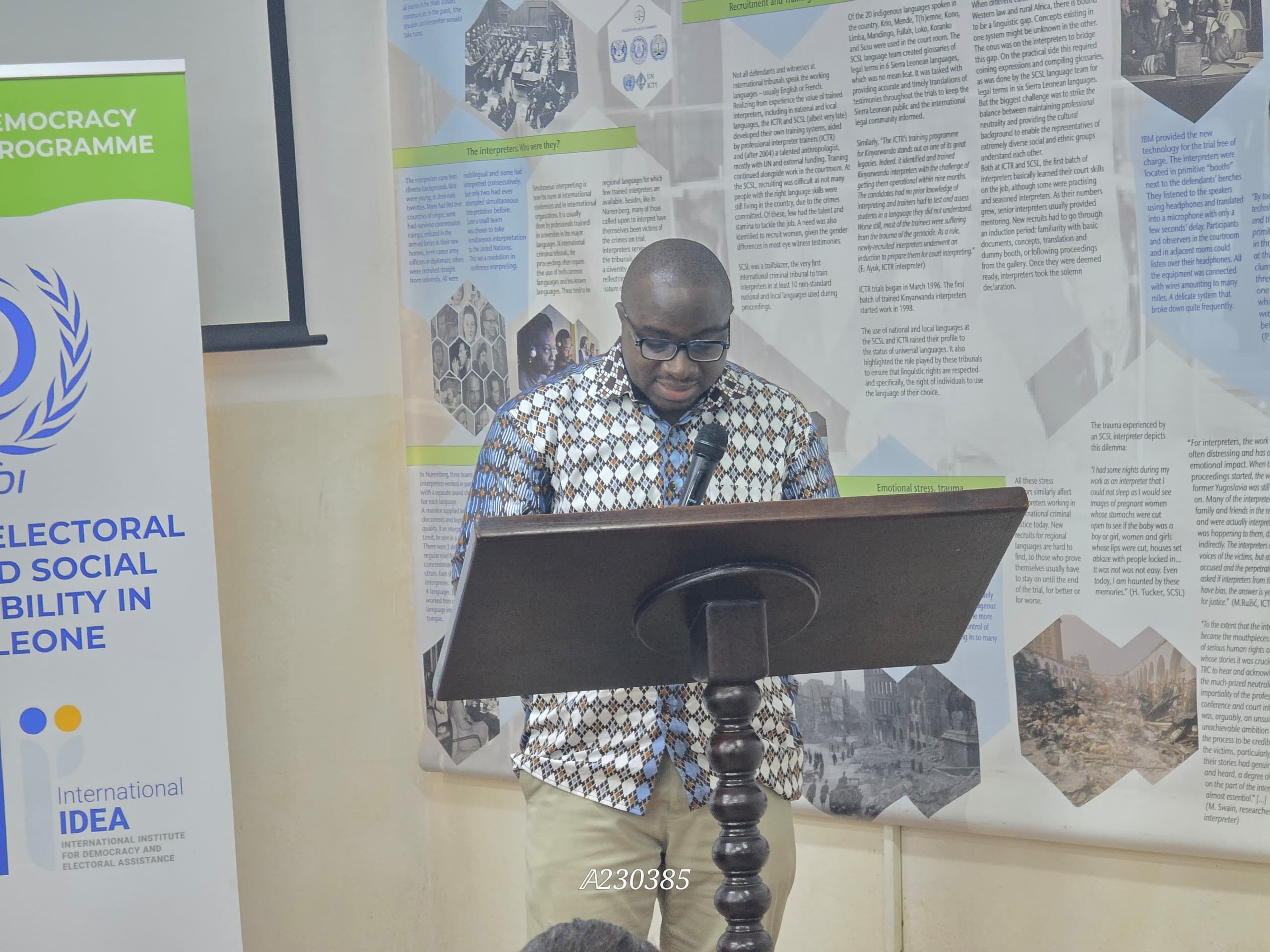
He observed that while the 2023 elections demonstrated progress, challenges such as electoral violence, gaps in transparency, and limitations in the justice system remain. He described the training as a practical step toward addressing these issues by strengthening the capacity of frontline justice actors.
Dumenu underscored that effective and independent justice institutions not only resolve disputes but also deter violations and reinforce public confidence in democratic processes. He added that the initiative forms part of a long-term investment in strengthening Sierra Leone’s democratic resilience.
“The rule of law is a fundamental pillar of democracy, ensuring that citizens’ rights are protected and upheld,” He stated, urging participants to apply these principles in their daily work.
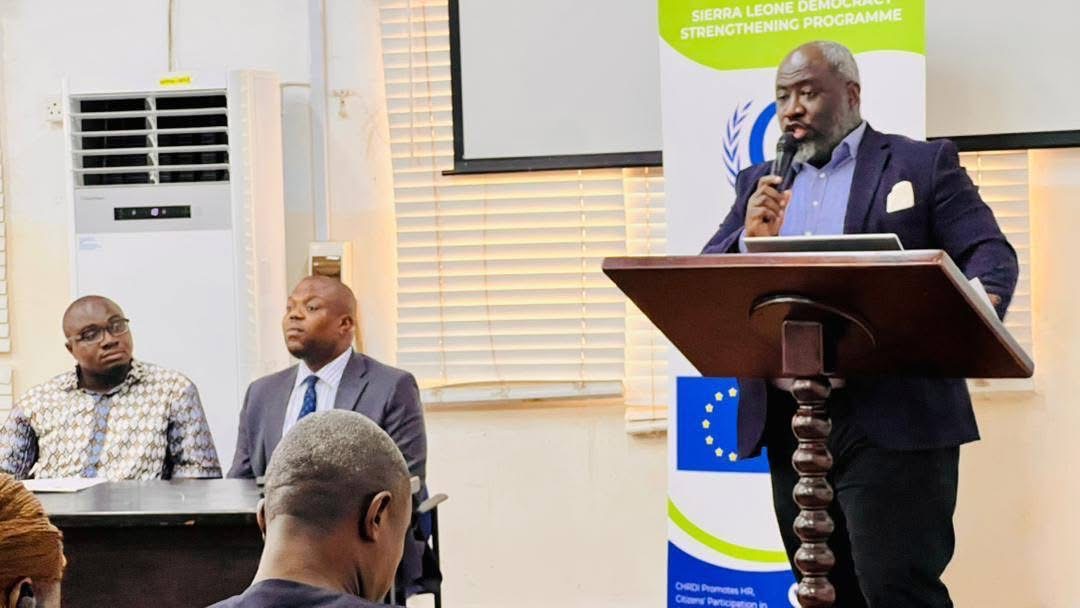
The training also featured an interactive assessment session, where participants were tested on key aspects of electoral petitions and the legal framework governing elections in Sierra Leone.
Organizers expressed optimism that the programme will enhance coordination among stakeholders and contribute to a more transparent, accountable, and credible electoral system in the country.