

 Post a comment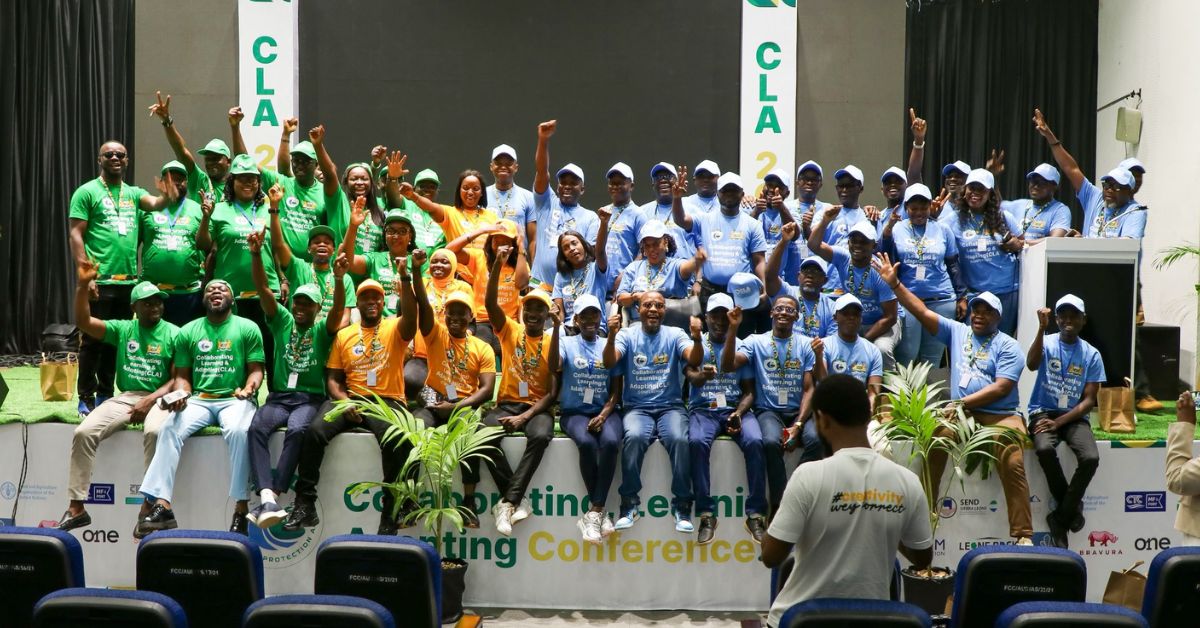
The Environmental Protection Agency (EPA) has successfully concluded the third day of its Collaborating, Learning and Adapting conference (CLA26), which focused on chemical wastes, control, and environmental health and safety.
The three-day event highlighted the importance of a strategic approach to international chemicals management (SAICM) that marked the launch of the country’s first National Pollutant Inventory (NPI), a national response to pollution as a global challenge.
The conference also reviewed findings from the Centre for Environmental Data and Statistics’ (CEDAS) formative workshop, which aims to serve as a one-stop hub for environmental data. Key initiatives discussed included the creation and implementation of a plastic waste policy and lead regulations to protect public health and control chemical usage.

A highlight of the day was a dramatised skit by WAM Collegiate Secondary School titled “The Role of Lead Paint Regulation, emphasizing the dangers of lead as a neurotoxin, particularly for children.
Other plenary discussions focused on illegal river dredge mining, stakeholder complicity, the impact of mercury on marine environments, and the artisanal and small-scale gold mining (#ASGM) sector. Participants also addressed the Montreal Protocol’s implementation and the phase-out of ozone-depleting compounds, alongside surveys on HFCs and ODS.

The conference underscored the need for collaboration, resource mobilization, and knowledge exchange to achieve strategic goals and enhance environmental governance.
In his closing remarks, Executive Chairman Dr. Abu-Bakar S. Massaquoi stressed the importance of effective collaboration, prioritization, prompt decision-making, and integrating diverse interests to tackle institutional challenges in environmental management.

He expressed gratitude to sponsors, partners, staff, panelists, and well-wishers whose support contributed to the success of CLA26.
Looking ahead, CLA27 is set to be larger, more purpose-driven, and focused on delivering tangible environmental impact.


