

 Post a comment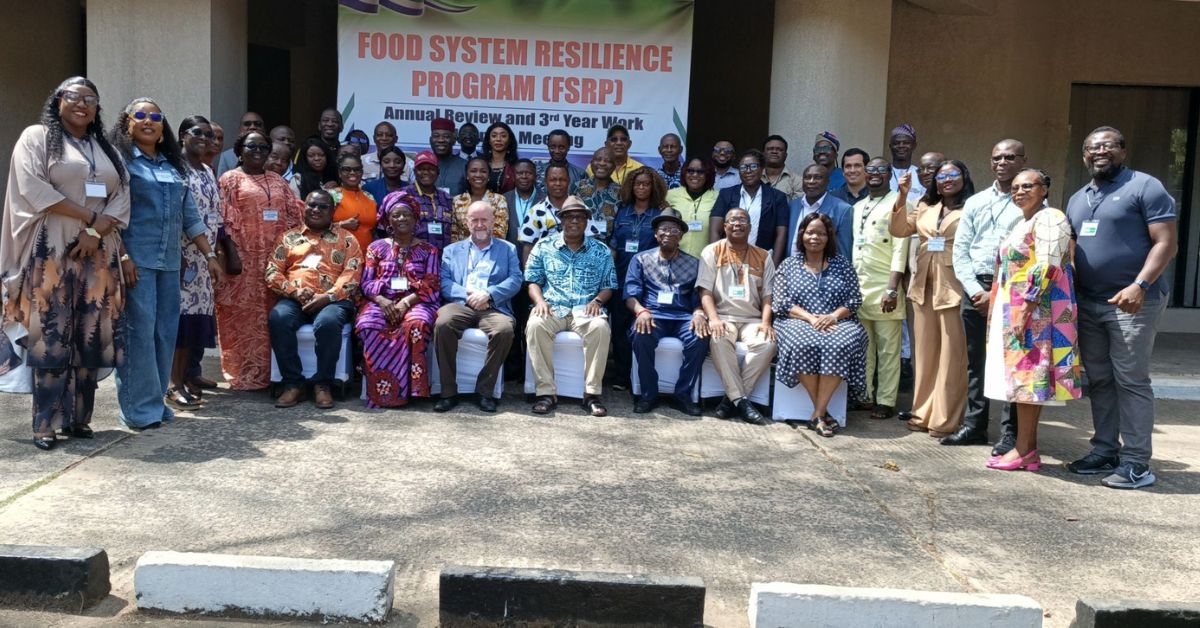
The Ministry of Agriculture and Food Security (MAFS), in collaboration with the International Institute of Tropical Agriculture (IITA), the Sierra Leone Agricultural Research Institute (SLARI), and key implementing partners, has concluded its second Annual Review and Planning Meeting on technical assistance to the Feed Salone Strategy.
The two-day meeting, held from March 21–22 at the Radisson Blu Hotel in Freetown, was funded by the World Bank through the Food Systems Resilience Programme (FSRP-SL).
It brought together stakeholders, technical experts, and partners to evaluate progress made in 2025 and map out priorities and budget allocations for the third year of implementation.
Participants presented achievements recorded under the 2025 work plans, highlighting progress in aflatoxin mitigation and phytosanitary standards, as well as improvements in cassava and soybean seed systems. The meeting also underscored strengthened value chain interventions aimed at boosting food security, improving nutrition, and increasing farmers’ incomes.
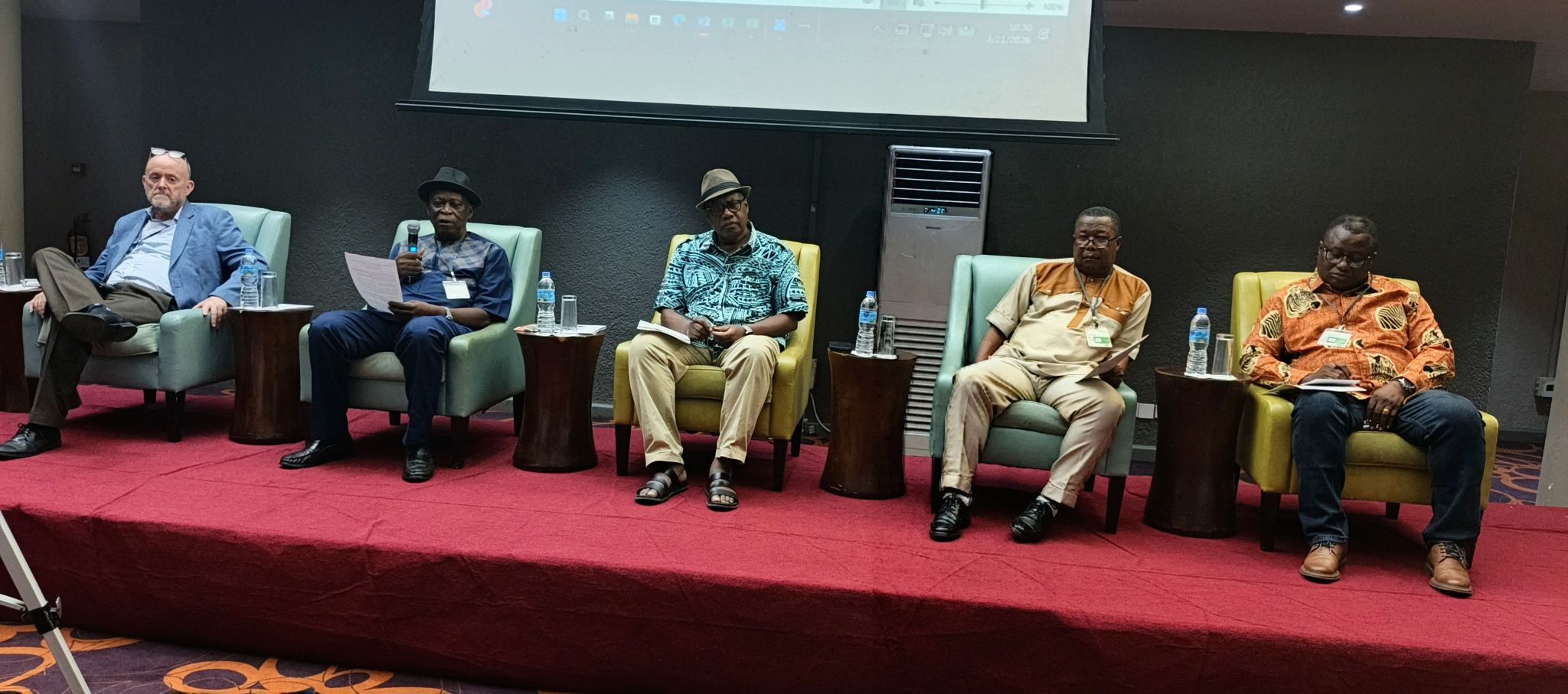
The review sessions further assessed performance against signed service contracts, reinforcing accountability and ensuring alignment among implementing partners.
Despite these gains, stakeholders acknowledged several challenges affecting implementation, including logistical constraints, limited access to improved inputs, capacity gaps among local actors, and the need for stronger coordination across project components. Lessons learned from these challenges were documented to guide more effective strategies going forward.
A major outcome of the meeting was the development of a comprehensive roadmap for the third year of the project. Key focus areas include scaling up climate-smart and productivity-enhancing technologies, strengthening seed systems for cassava and soybean farmers, enhancing food safety through improved aflatoxin control and phytosanitary compliance, and expanding capacity-building initiatives for extension workers and private sector actors.
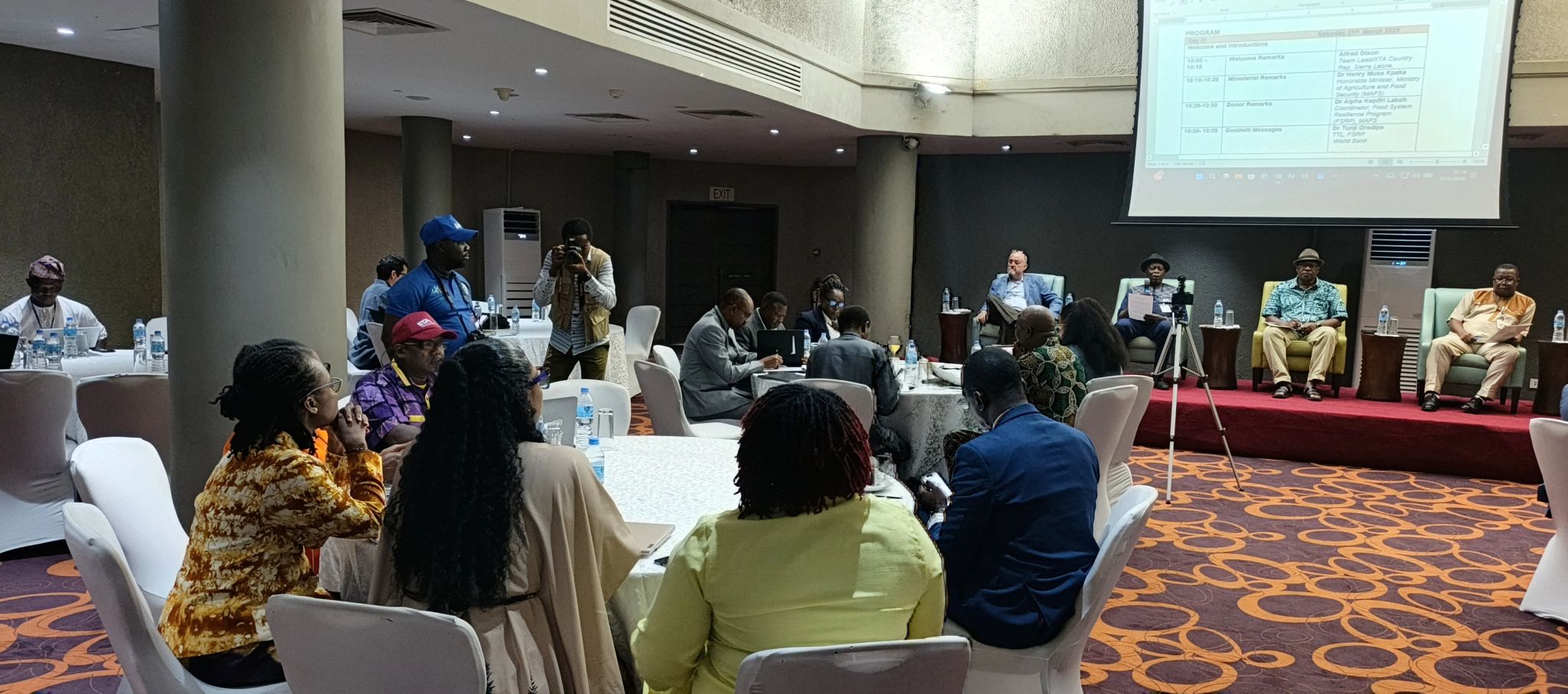
The roadmap also emphasizes value chain development through improved processing, utilization, and market linkages, alongside strengthened monitoring and evaluation systems to enhance data-driven decision-making.
Organizers noted that the newly developed budget aims to ensure efficient resource allocation, maximize impact, and maintain accountability to the World Bank and other stakeholders supporting the FSRP initiative.
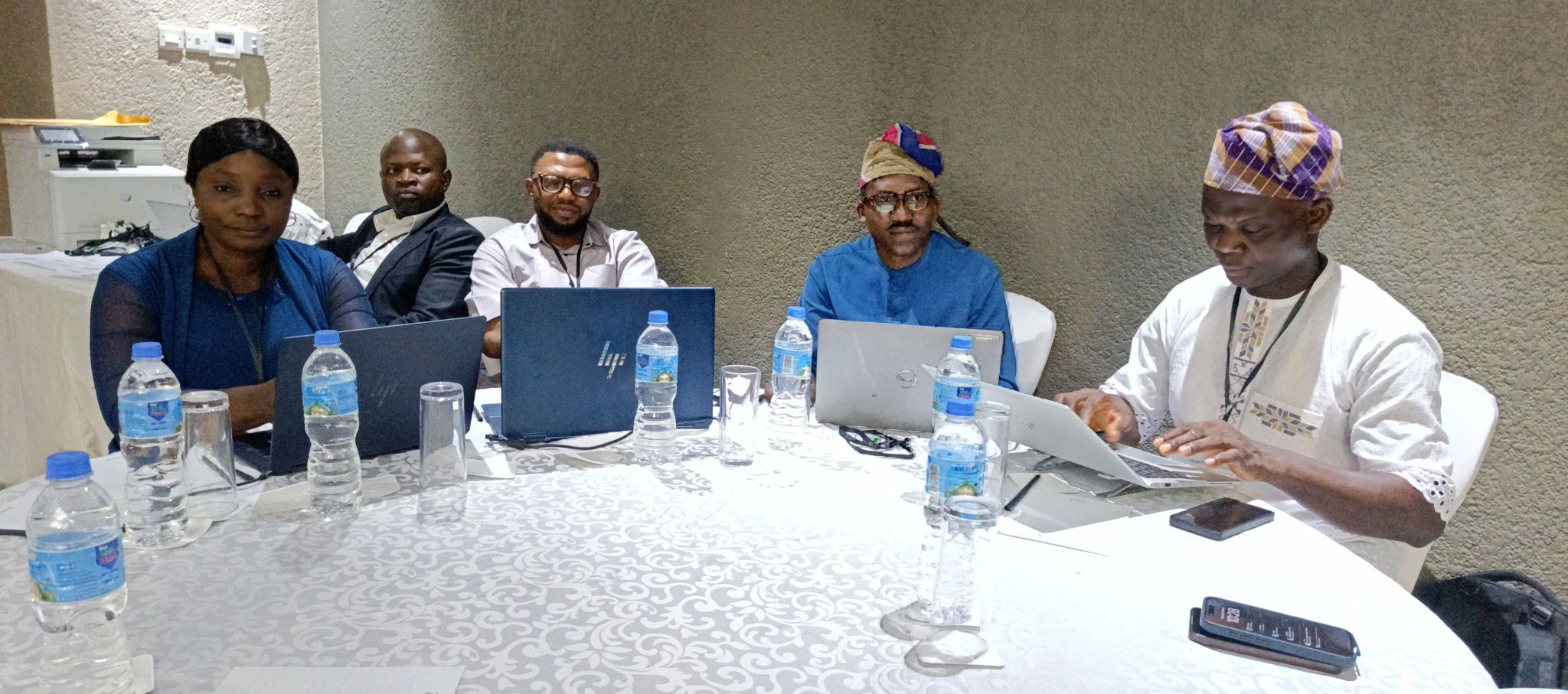
The meeting reaffirmed the commitment of IITA, SLARI, and their partners to the successful implementation of the Feed Salone Strategy. With a clear roadmap and defined budget for year three, stakeholders expressed confidence that the project will accelerate agricultural transformation in Sierra Leone.


