

 Post a comment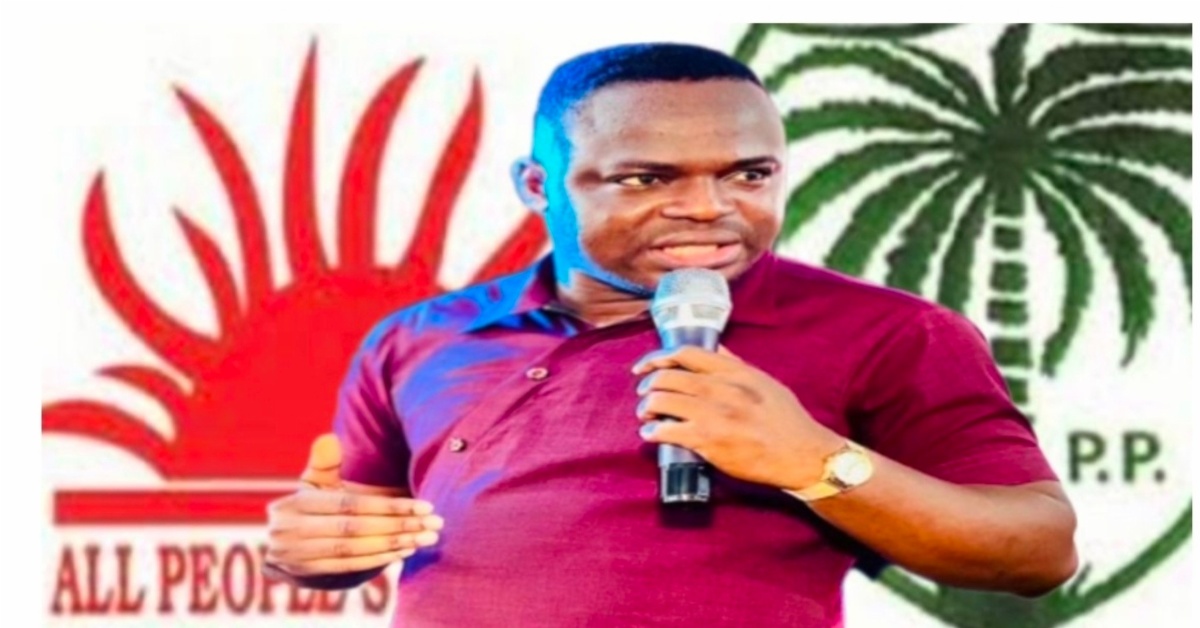
Controversial Preacher, Prophet Michael C. Noah, has issued a stern and unconventional warning to presidential flagbearer aspirants across the country, cautioning them against bringing money to his church in exchange for prayers ahead of future elections.
Prophet Noah, the General Overseer of the power of God Kingdom Church made the remarks during a church service on Sunday, expressing frustration over what he described as the opportunistic behaviour of politicians during election periods.
“Don’t come to my church and give me money for prayer. If you do, I will collect your money and chop it for nothing,” he declared. “Afterwards, I will go after you spiritually because I know you will want to come after me physically for your money.”
The outspoken cleric lamented what he described as a recurring pattern in which politicians seek spiritual backing during campaign seasons but disengage from religious institutions once elections are concluded.
According to him, prior to the 2023 general elections, several political figures frequently visited his church seeking prayers and spiritual support. However, he claimed that once the elections were over and positions secured, many distanced themselves.
“They only come to use you when they need you,” he said. “If you want to use me, I will first use you. I don’t want to see any of you coming to me for prayers because I will not do it.”
He further questioned the logic of multiple candidates seeking divine endorsement for a single elective position.
“How can I be asking God for five people to win a single seat?” he asked rhetorically.
Prophet Noah also revealed that individuals he described as campaign representatives have recently approached him to join political teams and serve as a spiritual adviser or head of prayer units.
“They have started calling me. Their campaign people have started calling me to join their teams and be their spiritual head. I will not do it,” he stated firmly.
His remarks have sparked conversations about the relationship between religion and politics in Sierra Leone, particularly the role of faith leaders during election periods.
While some observers interpret his comments as a call for ethical engagement and a rejection of transactional spirituality, others see them as highlighting broader concerns about the politicisation of religious institutions.


