

 Post a comment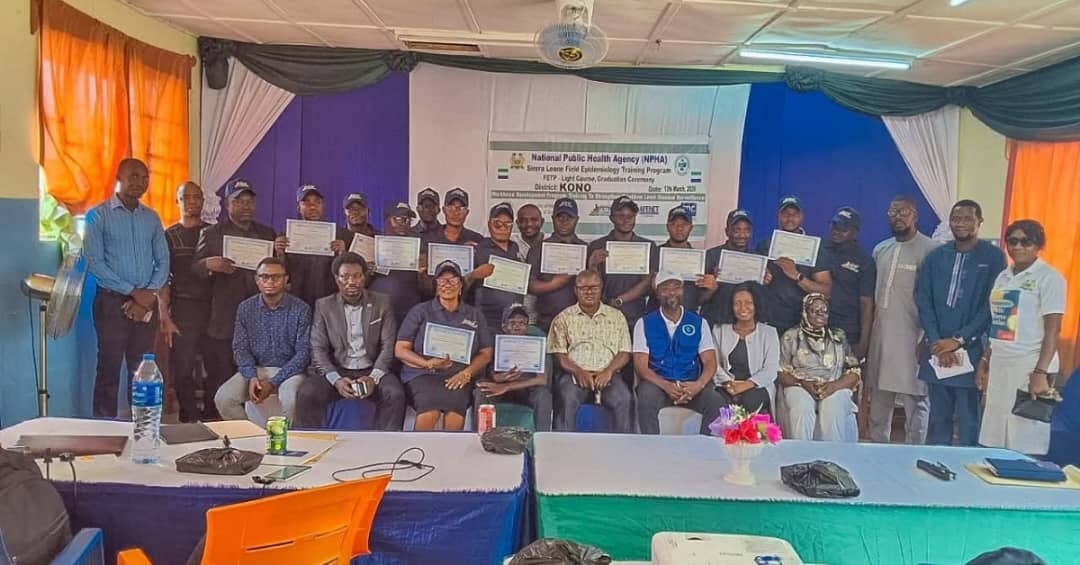
Sierra Leone has marked a major step in strengthening its public health system with the graduation of 180 Chiefdom Supervisors from Cohorts 9 and 10 of the Field Epidemiology Training Program (FETP-Light).
The ceremonies, held in Bombali and Port Loko, recognize these supervisors as frontline defenders against disease outbreaks in their communities.
Launched in 2016, FETP-Light is a six-week program unique to Sierra Leone that emphasizes practical, on-the-ground experience. Trainees spend 25% of their time in classroom instruction and 75% in field practice, equipping them to monitor disease trends, ensure data quality, and respond rapidly to public health threats.
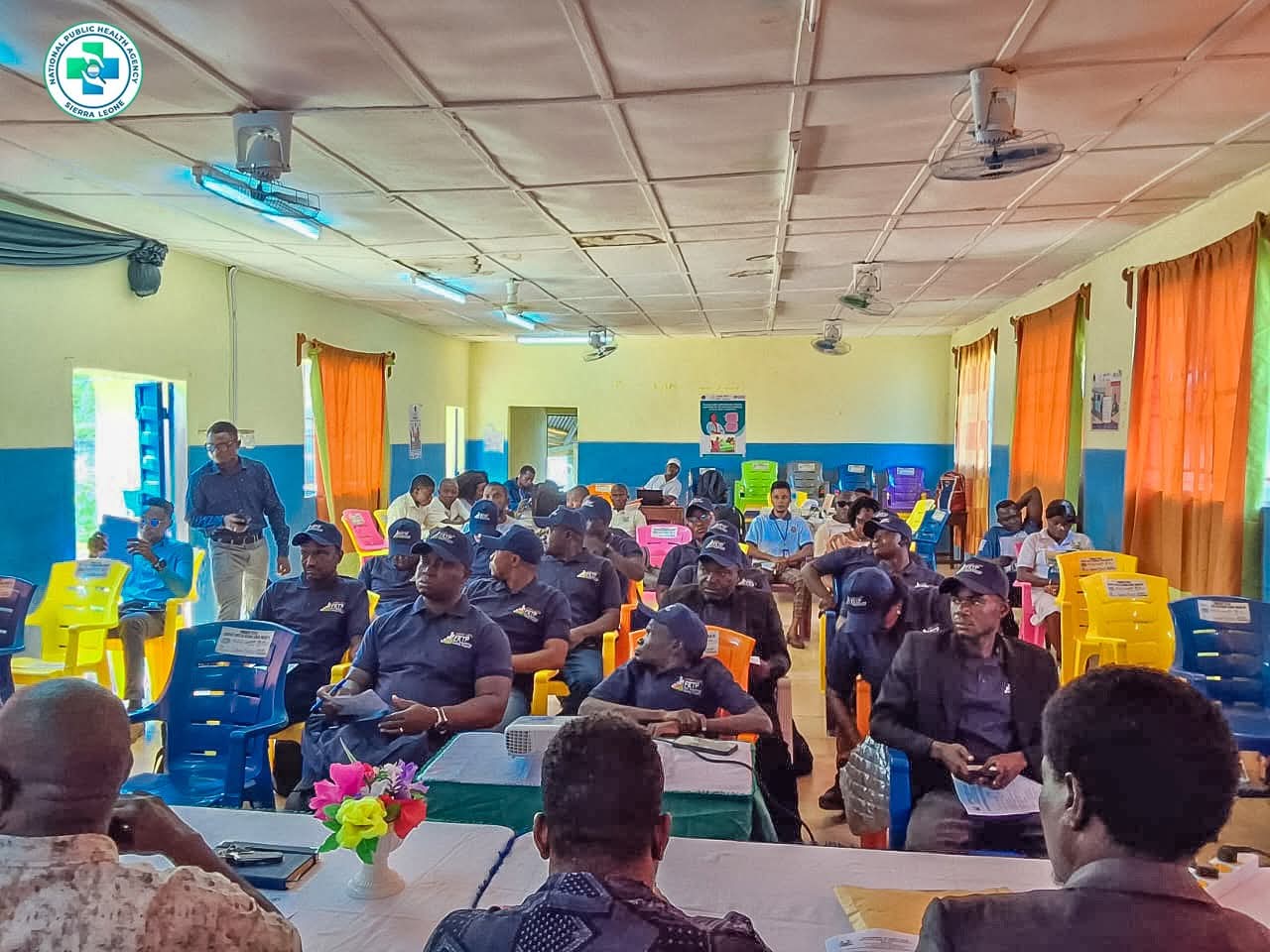
“This program is the foundation of our surveillance workforce,” said Dr. James Squire, NPHA Surveillance Director, during the Port Loko ceremony. “Graduates leave here ready to detect outbreaks early and protect their communities.”
The initiative has already expanded the country’s public health capacity. Before the 2014 Ebola epidemic, surveillance systems were limited. Today, thanks to partnerships with the CDC, AFENET, and WHO, each district has approximately 20 trained surveillance officers, forming a tiered network that includes the Frontline and Intermediate programs.
Dr. Mohamed Alex Vandi, Deputy Executive Director of the National Public Health Agency (NPHA), who adapted the international curriculum to meet Sierra Leone’s local needs, described FETP-Light as his “baby.” He urged graduates to continue learning and serving as “ambassadors of surveillance” in their respective chiefdoms.
The graduation ceremonies concluded with certificate presentations and remarks from a graduate representative, who reaffirmed the group’s commitment to applying their skills in outbreak detection, data collection, and community health protection.
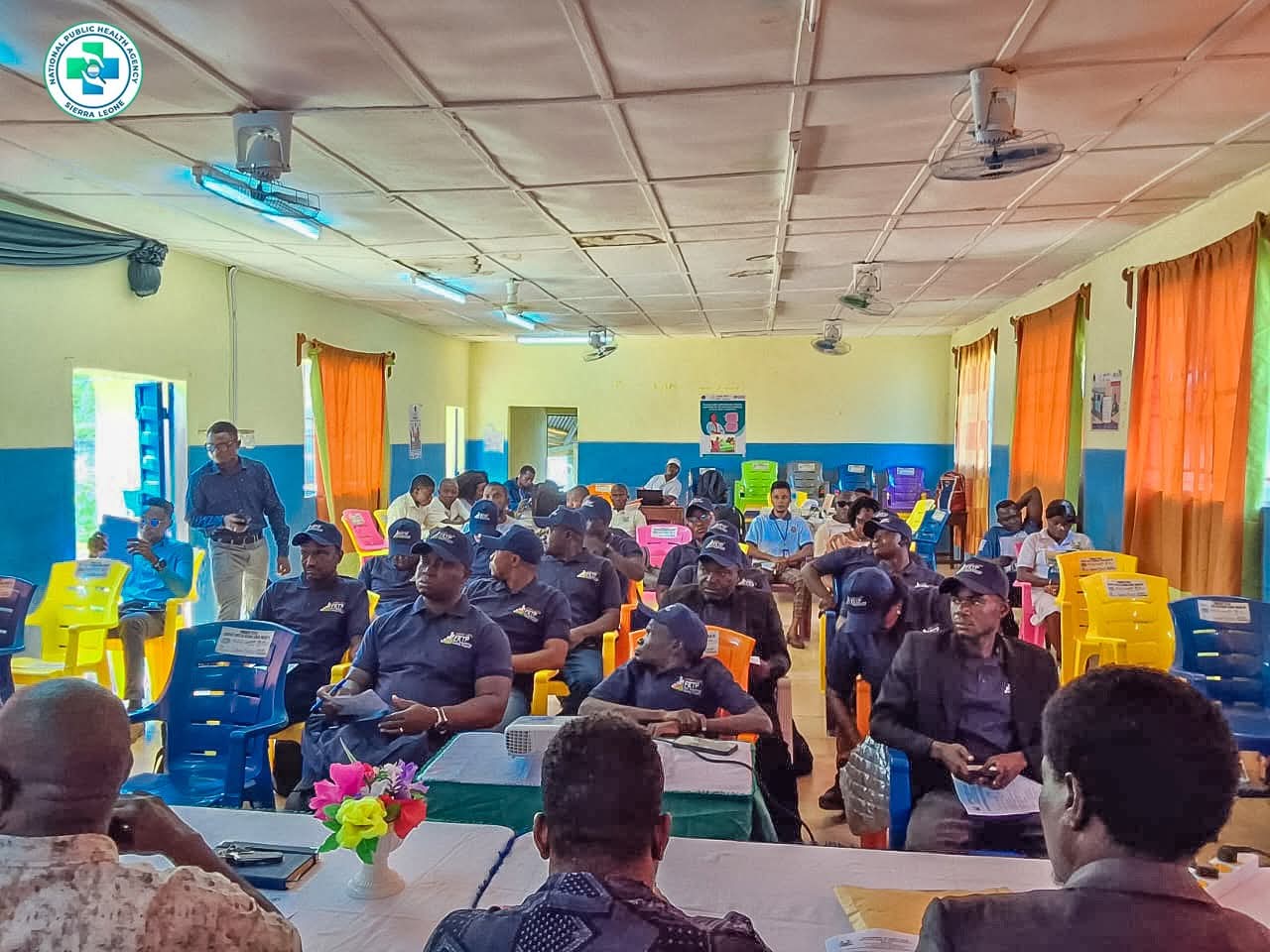
With their training complete, these 180 supervisors return to their districts ready to safeguard public health and contribute to a stronger, more resilient health system across Sierra Leone.


