

 Post a comment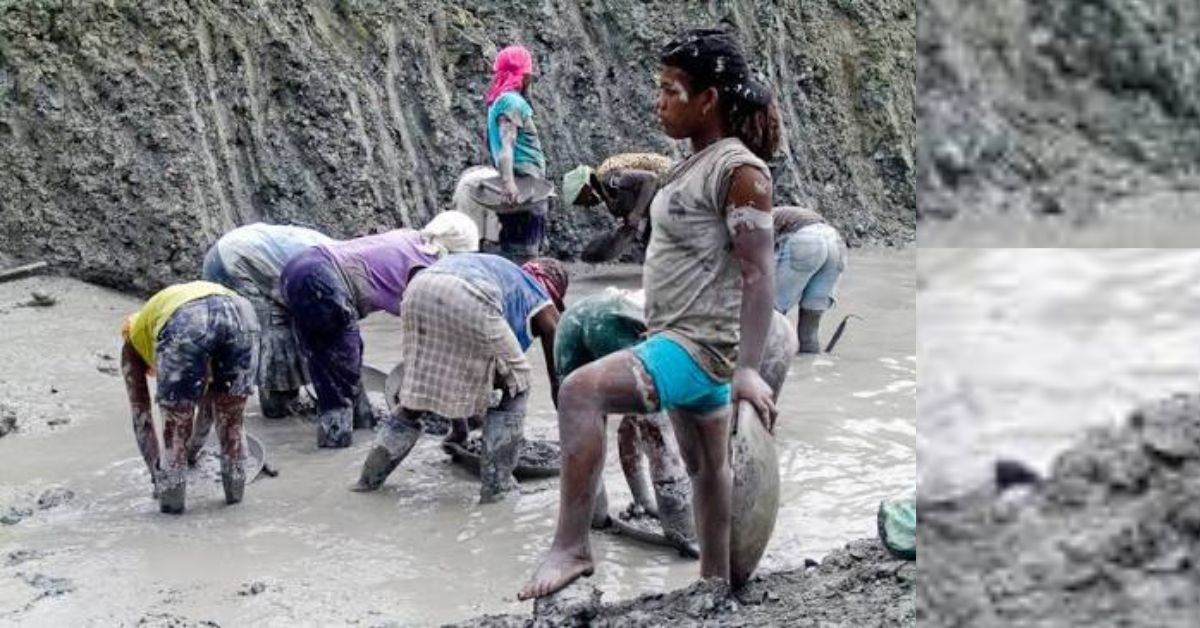
Women engaged in artisanal gold mining in Jiama Nimikoro Chiefdom in Kono District are speaking publicly about the dangers they face in abandoned mining pits, including incidents of sexual assault, intimidation and unsafe working conditions.
For many women in this gold-rich chiefdom, mining has become a primary means of survival. Every day they enter water-filled pits left behind by male diggers, searching through muddy soil for small specks of gold that can help feed their families and pay school fees.
Among them are two women who spoke to Truth Media and asked to be identified only as Diana and Jane. Standing waist-deep in muddy water alongside other women miners, they often sing as they work.
“Come and see what the Lord has done,” the women chant in Kono, their voices rising above the splashing water and shovels. But behind the songs are stories of hardship and fear.
Diana said she is a survivor of sexual violence that occurred in the mining fields. Speaking quietly, she told Truth Media that the assault has not forced her to leave the work because she depends on it to care for her children. “I have children,” Diana said. “I have to survive.”
In Jiama Nimikoro Chiefdom, most of the deep pits are dug by men who control the tools and equipment. Women typically wait until those miners leave the sites before entering the pits to wash soil in search of leftover gold. The practice exposes them to serious risks.
Community members say there have been drowning incidents in abandoned pits. Women miners also report cases of harassment and rape around mining sites where security and oversight are limited.
Jane, who has worked in the mines since 2005, said gold mining has been her only reliable source of income for years. She uses the proceeds to support her two daughters. Every small grain of gold she finds goes toward school fees, food and rent.
The women say they usually sell their gold for about 500 leones per karat. However, the irregular nature of artisanal mining means they often spend hours working without collecting enough gold to reach a full karat. Jane also raised concerns about how the gold is measured and paid for. “We don’t really know the calculations,” she said. “Sometimes they cheat us.”
Beyond exploitation and insecurity, the women face health risks linked to chemicals used in gold processing. Mercury is commonly used in artisanal mining to extract gold from soil, and miners frequently handle contaminated materials without protective equipment.
Diana and Jane say they spend long hours standing in water exposed to the chemical, often without gloves or boots. They complain of body pain, skin irritation and constant fatigue but say there is no health insurance or safety protection available to them.
Despite the challenges, the women continue to work. Their singing, they say, helps them endure the difficult conditions in the pits. For many of them, the mining fields are the only option available to sustain their families.
Across mining communities in Kono District, women like Diana and Jane say they are determined to keep working, even as they call attention to the risks they face.
Their voices – sometimes spoken, sometimes sung – are beginning to reveal a side of artisanal mining that often remains hidden beneath the mud and water of abandoned pits.


