

 Post a comment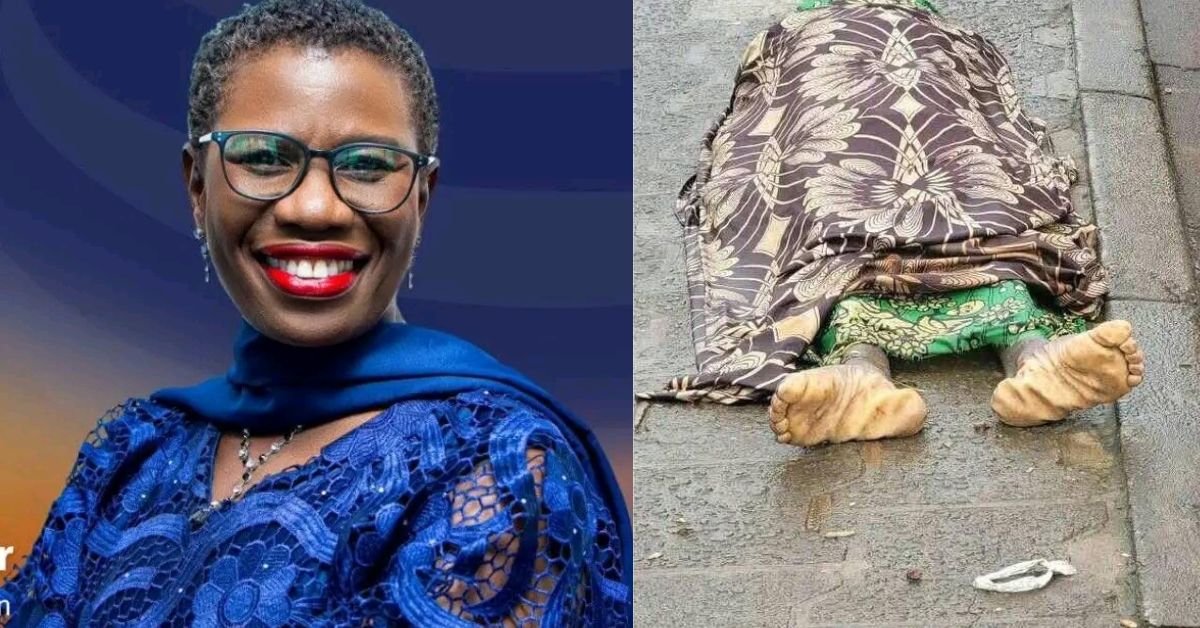
The Mayor of Freetown, Yvonne Aki-Sawyerr, has raised a red flag over what she describes as a deepening national crisis, revealing that 220 bodies have been recovered across the city amid the growing Kush drug epidemic and worsening systemic failures.
Speaking on Monday, 7th October 2025, Mayor Aki-Sawyerr said the number of unexplained deaths in recent weeks was “totally unacceptable and abnormal,” urging urgent national action.
“We have a national crisis. What is happening is totally unacceptable and abnormal. As of today, we have picked up 220 bodies across Freetown,” she stated.
The Mayor expressed frustration over the absence of postmortem examinations, warning that the true causes of many deaths may never be known.
“We do not do postmortems on these bodies. How do we know if some foul play is not taking place?” she questioned.
Highlighting the city’s limited capacity to respond to the escalating crisis, Aki-Sawyerr disclosed that the Freetown City Council’s 2025 budget for social welfare stands at just NLe 123,266.
“If we are to provide services for people affected by Kush, we would have a minimal NLe 500 per person. What can that do?” she asked.
The Mayor called for urgent and coordinated national action, including intensified law enforcement operations to dismantle drug networks.
“We need to see daily raids. To the best of our knowledge, we allegedly have the most wanted drug lord in our city,” she said. “We have to break the supply chain. The situation demands a drastic response, if the political will is there.”
She also urged the government to rethink its national priorities, warning that flagship initiatives risk failure if the human toll continues to rise.
“You cannot implement Feed Salone if the people you wish to feed are dead,” she remarked.
Beyond the drug crisis, Mayor Aki-Sawyerr cited systemic and fiscal challenges undermining service delivery in the capital. Of the projected NLe 77 billion in council revenue for 2025, only 50 percent has been collected so far.
“We spent NLe 2 billion on electricity last year and NLe 80 million a week on sanitation and vehicle operations,” she said, adding that compliance challenges remain a major constraint.
The Mayor highlighted the digitalization of the city’s property rate system as a major reform achievement.
“We now have a high-resolution drone image of the city, from Orogu Bridge to Levuma,” she noted.
However, infrastructure challenges continue to hamper progress.
“Forty-five to fifty percent of Freetown has no access roads because people have built everywhere. Council can do nothing about it since building permits are in the hands of the Ministry of Lands,” she explained.
She lamented that land access issues have stalled several donor-funded projects.
“We have resources from the World Bank to build 121 public toilets, but council has no land in the city to situate them,” she said. “The World Bank approved $20 million for a landfill at Hastings, but we couldn’t get the land to do that.”
In closing, Mayor Aki-Sawyerr stressed that fragmented governance will not solve Freetown’s deep-rooted problems.
“The services are mainly government-provided. Dividing government will not improve services,” she emphasized.
Mayor Aki-Sawyerr’s remarks have sparked renewed debate on the urgent need for coordinated national action to address the deepening social and public health crisis in Freetown.


