

 Post a comment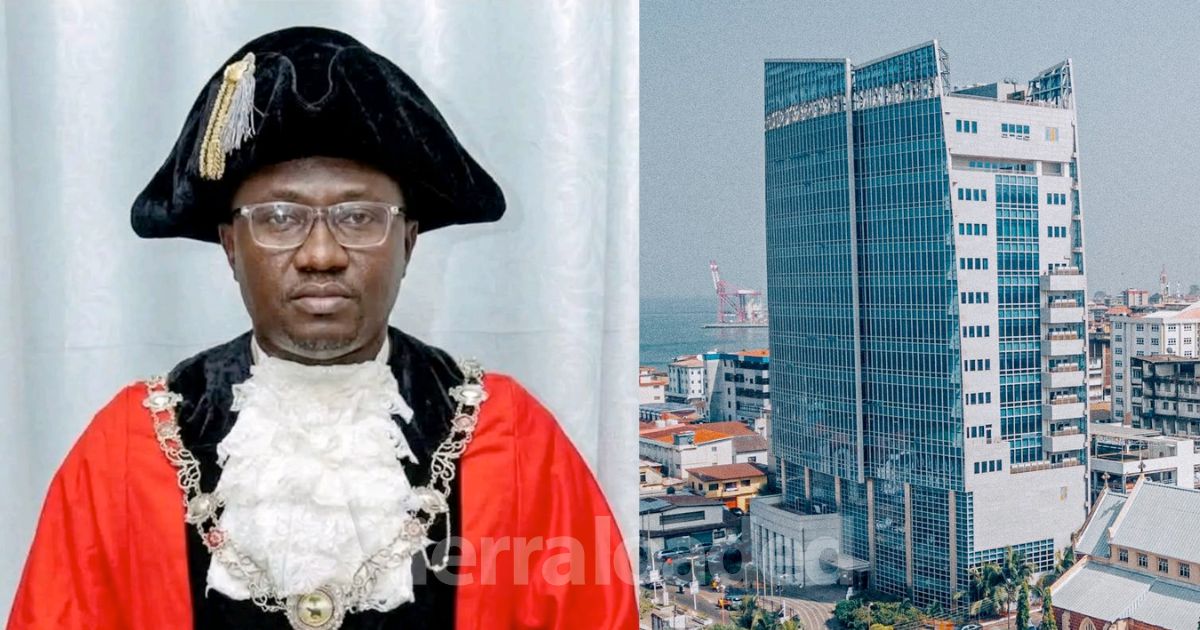
The newly nominated Acting Mayor of Freetown, Ibrahim Gbla, has summoned all staff of the Freetown City Council (FCC) to a meeting scheduled for Friday, March 27, 2026.
The directive comes amidst a heated legal and political controversy, as the substantive Mayor, Yvonne Aki-Sawyerr, insists the position of “Acting Mayor” has no legal basis and remains absent from governance as part of an opposition boycott.
The purpose of the meeting, according to a statement released by the Office of the Acting Mayor today, is to engage staff on key issues concerning the Council and ongoing activities. Further details regarding the time and venue are to be communicated in due course. All staff have been requested to make themselves available.
The summons follows the decision by SLPP councillors at the FCC to nominate Councillor Ibrahim Gbla to “steer council operations” in the absence of Mayor Aki-Sawyerr. The move, publicly backed by SLPP officials, is framed as a necessary step to “restore functional governance” and ensure the delivery of essential services in the capital following the political withdrawal of the opposition All People’s Congress (APC).
The APC boycott, announced in late February 2026, was triggered by the government’s handling of recommendations from the Cross-Party Tripartite Committee, particularly the appointment of a new Chief Electoral Commissioner. Mayor Aki-Sawyerr has confirmed her participation in this protest, stating that she remains the legitimately elected Mayor of Freetown and continues to work for Freetonians despite her withdrawal from certain government functions.
Mayor Aki-Sawyerr has firmly dismissed the appointment of an Acting Mayor, arguing it has no legal foundation. She has cited Section 16(3) of the Local Government Act (LGA) 2022, which states that in the absence of both the Mayor and Deputy Mayor, councillors may only elect one among themselves to preside over a council meeting—a procedural role that does not confer the powers or status of the mayor’s office . Her position has been echoed by legal voices, including former SLPP Mayor Layemin Joe Sandi, who warned the appointment sets a dangerous precedent and is not provided for in the Local Government Act.
The standoff has created significant uncertainty and operational challenges at the FCC. The political stalemate has reportedly disrupted access to funding for essential services, including waste management, and has raised public concern over the functionality of the city’s governance.
A recent opinion poll indicated that 76 percent of Sierra Leoneans view the boycott negatively, with 68 percent believing it undermines democratic governance.


