

Alpha Sesay Says TRC Recommendations Must Move Beyond Remembrance to Action
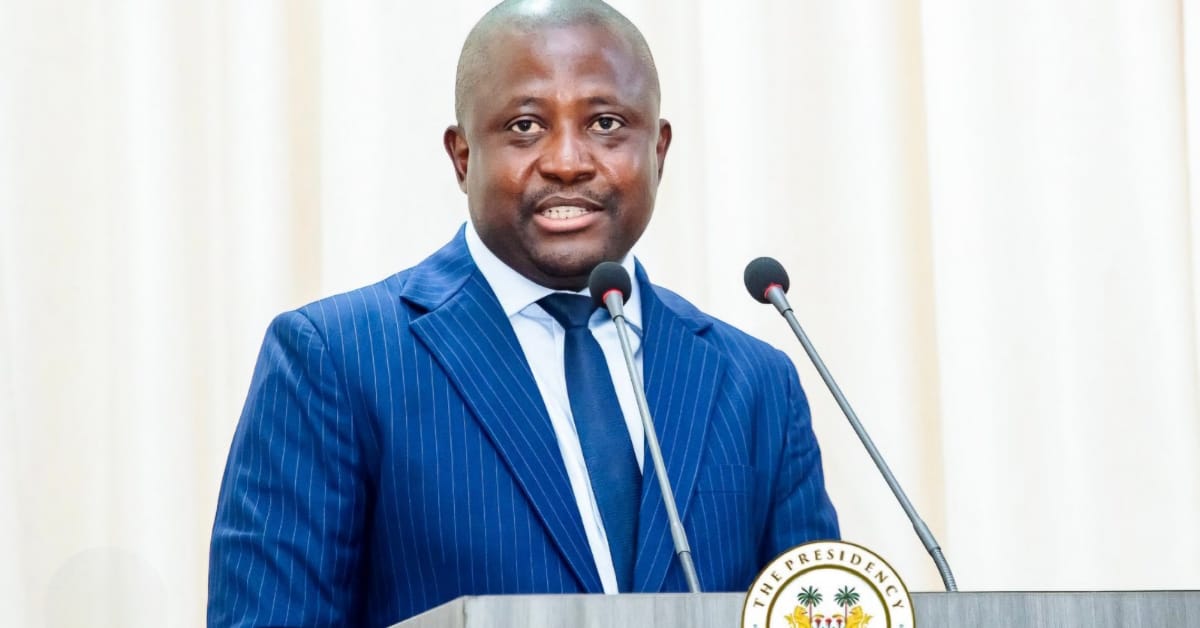
Sierra Leone’s Attorney-General and Minister of Justice, Alpha Sesay, has renewed calls for the full implementation of the recommendations of the country’s Truth and Reconciliation Commission (TRC), stressing that victims of the civil war deserve concrete action rather than only remembrance.
Speaking at a review meeting focused on assessing progress and identifying a roadmap for outstanding TRC recommendations, the Attorney-General said the government remains committed to advancing reforms in key areas including reparations, institutional reform, governance, and national cohesion.
In his keynote address, Sesay said his commitment to justice is shaped not only by his role as a public official but also by his personal experience as a Sierra Leonean who lived through the consequences of the country’s devastating civil conflict.

He explained that he belongs to a generation whose lives were deeply affected by the war, noting that he experienced displacement, lost loved ones, and witnessed the impact of violence on communities across the country.


According to the Minister, these experiences have strengthened his determination to support efforts aimed at ensuring justice, accountability, and national healing.
“More than two decades after the war, we owe victims more than remembrance; we owe them action,” he said, emphasising the need for the TRC’s recommendations to move from reports and discussions into practical reforms that benefit citizens.
Sierra Leone’s TRC was established after the end of the country’s civil war, which lasted from 1991 to 2002, with the mandate of documenting human rights violations, promoting reconciliation, and making recommendations to prevent a repeat of conflict.
The Commission’s final report, titled “Witness to Truth,” contained recommendations covering governance, human rights protection, security sector reform, reparations for victims, and measures to promote national unity.
However, years after the report was published, questions have remained over the pace and extent of implementation of some recommendations, particularly those relating to reparations and institutional reforms.
The Attorney-General said the current efforts are aimed at ensuring that the implementation process becomes a practical demonstration of commitment to victims and future generations.
He described the goal as transforming the TRC’s legacy from simply being a record of past suffering into a foundation for meaningful national progress.
Civil society groups and victims’ representatives have repeatedly called for stronger action on outstanding TRC recommendations, arguing that full implementation remains essential to achieving lasting reconciliation and preventing future conflicts.
The review meeting marks another step in renewed discussions around Sierra Leone’s post-war recovery and the country’s continued efforts to address the consequences of its civil conflict.