

 Post a comment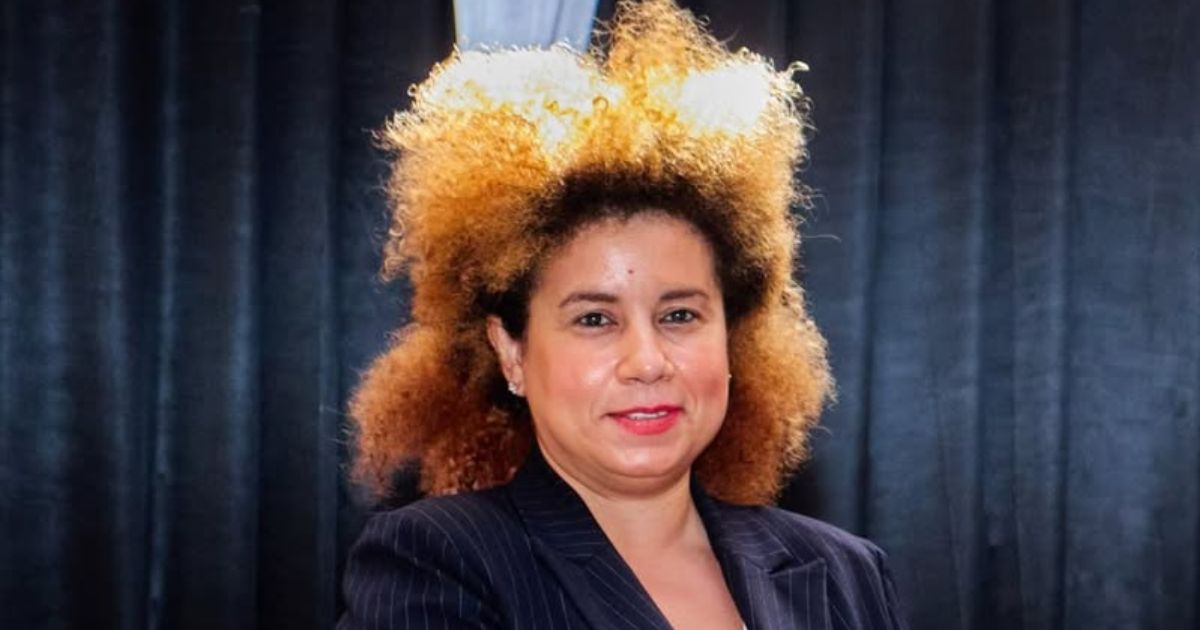
A prominent legal scholar and vocal critic of the proposed Constitutional Amendment Bill has expressed cautious optimism following a pre-legislative session, signaling a potential de-escalation in the standoff over Sierra Leone’s legal reforms.
Basita Michael, former President of the Sierra Leone Bar Association and founder of the Institute for Legal Research and Advocacy for Justice (ILRAJ), stated that Monday’s parliamentary consultation unfolded in a “spirit very different from the tension many had feared.”
Her assessment marks a notable shift in tone. Just days prior, on January 23, 2026, her organization issued a position paper warning that the bill, in its current form, posed an “existential threat” to the nation’s democracy and risked entrenching ruling party power.
However, following the January 26 session, Michael described an atmosphere characterized by “laughter,” “firm positions,” and a willingness to compromise.
“To my surprise and encouragement, today’s pre-legislative session… offers cautious but genuine hope that the Constitution can be shaped for Sierra Leone, not for any single political party,” Michael wrote following the event.
The consultation brought together Members of Parliament, key stakeholders, and civil society representatives to discuss the bill, which seeks to amend the 1991 Constitution.
Michael attributed the improved atmosphere to specific assurances given by key political actors during the session. She highlighted the “humility” of Attorney-General and Minister of Justice Alpha Sesay, who publicly acknowledged that the bill “can — and should — be improved.”
During the session, Sesay sought to dispel fears of a government takeover of the process.
“If anyone tells you that the provisions in this bill are the sole creation of government, they have lied to you,” the Attorney-General told stakeholders, adding that the government remains open to broad-based engagement.
Michael also noted the firm stance of the Opposition, who made it clear they would recuse themselves if procedural rules were ignored, and the assurances from the Clerk of Parliament that “the right things will be done” under his watch.
Despite the thaw in tensions, significant hurdles remain. The ILRAJ had previously flagged several controversial clauses within the bill, including a proposal to lower the threshold for a presidential victory and a provision allowing for the removal of a President or Vice-President if expelled from their political party.
In its earlier position paper, the institute warned that such changes could echo the “dark precedents” of the 1978 constitutional amendments that ushered in a one-party state.
Opposition Leader Hon. Abdul Kargbo echoed the need for strict legal compliance during the hearing. While affirming the All People’s Congress (APC) party’s readiness to engage, he warned that any attempt to bypass constitutional requirements would be met with resistance.
“We will be very strict and unapologetic in ensuring that processes and procedures are followed,” Kargbo said, cautioning that procedural violations could amount to treason.
Conversely, Leader of Government Business, Hon. Sahr Matthew Nyuma, urged unity, citing the government’s history of progressive legislation such as the repeal of criminal libel laws.
For Michael, the pre-legislative session was a positive first step, but she maintained that the “true test” lies ahead.
“The true test now lies ahead — in whether these commitments translate into practice,” she stated. “May this spirit of dialogue and responsibility guide the journey ahead.”


