

Report Reveals Over One-Third of Freetown Small Businesses Remain Unbanked
 Osman Tolo Sesay
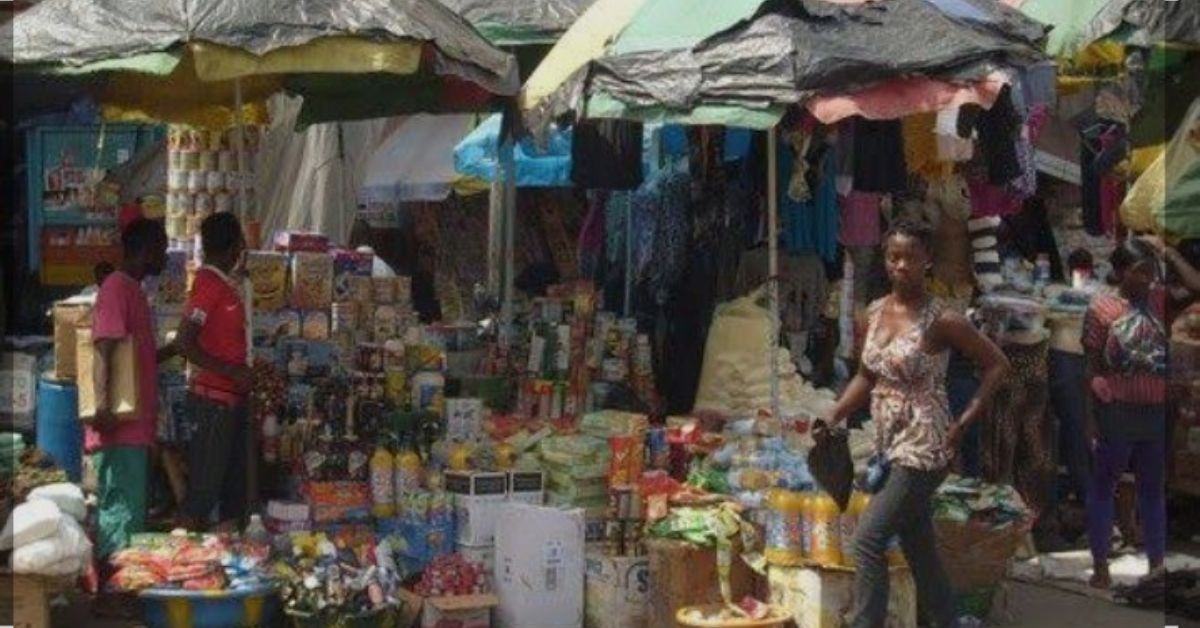
 A new report by the Center for Africa Financial Inclusion and Advancement (CAFIA) has revealed that more than one in three small businesses in Freetown operate without a bank account, underscoring persistent gaps in Sierra Leone’s financial inclusion efforts despite growing digital access.
The State of MSME Financial Inclusion in Sierra Leone 2026 report, based on a survey of 495 businesses across key commercial areas in the capital, found that 36.4 percent of micro, small, and medium enterprises (MSMEs) remain unbanked. While 63.6 percent reported having some form of financial account, the study noted that actual usage of formal financial services remains limited, with cash continuing to dominate most transactions.
Researchers identified minimum balance requirements and a strong preference for cash-based operations as major barriers preventing small businesses from entering the formal financial system. These factors continue to exclude many entrepreneurs from accessing structured financial services such as savings, credit, and insurance.

Although digital infrastructure appears widely accessible, the report highlights a disconnect between availability and practical use. It found that 90.7 percent of MSMEs own smartphones, while more than half accept digital payments often through personal rather than business accounts. Additionally, 94 percent of businesses are located within five minutes of a mobile money agent, suggesting that proximity is not a primary constraint.
However, digital financial tools are rarely integrated into core business operations. Only 3.6 percent of MSMEs pay suppliers digitally, while just 1 percent use mobile platforms to pay employees, pointing to limited adoption of digital systems for business management.
Stakeholders at the report’s launch emphasised the need to address underlying behavioural and trust issues. Financial sector representatives noted that many business owners have never engaged with formal banking institutions, indicating a significant trust gap and limited awareness of available services.
The report also highlights structural challenges within the MSME sector. It found that 64 percent of businesses do not maintain financial records, while 82 percent did not apply for credit in the past year. High interest rates, coupled with concerns about trust and repayment conditions, were cited as key deterrents to borrowing. These factors collectively weaken the ability of financial institutions to assess creditworthiness and extend financing.
Despite these challenges, recent progress has been recorded at the national level. Financial inclusion in Sierra Leone has reportedly increased to 39 percent, reflecting gradual improvements in access. However, policymakers acknowledge that access alone is insufficient without meaningful usage that contributes to business growth and economic development.
CAFIA’s Financial Inclusion Index scored Freetown’s MSME ecosystem at 61.7 out of 100, categorising it as “integrated but not fully transformed.” The report points to a significant gap between access (81.3) and usage (52.1), indicating that while financial infrastructure is largely in place, adoption and effective utilisation remain limited.
To address these issues, the report recommends the development of affordable, MSME-focused financial products, improved financial and digital literacy, and tailored solutions for informal businesses, particularly women operating in local markets.
The findings highlight the need for a shift in strategy from expanding access to ensuring that financial services are actively used to support business productivity and growth. The report positions data-driven policymaking and collaboration among financial institutions, government, and development partners as critical to achieving inclusive economic expansion.
Overall, the study suggests that while Sierra Leone has made strides in expanding financial access, significant work remains to translate that access into meaningful economic participation for small businesses.