

 2 Comments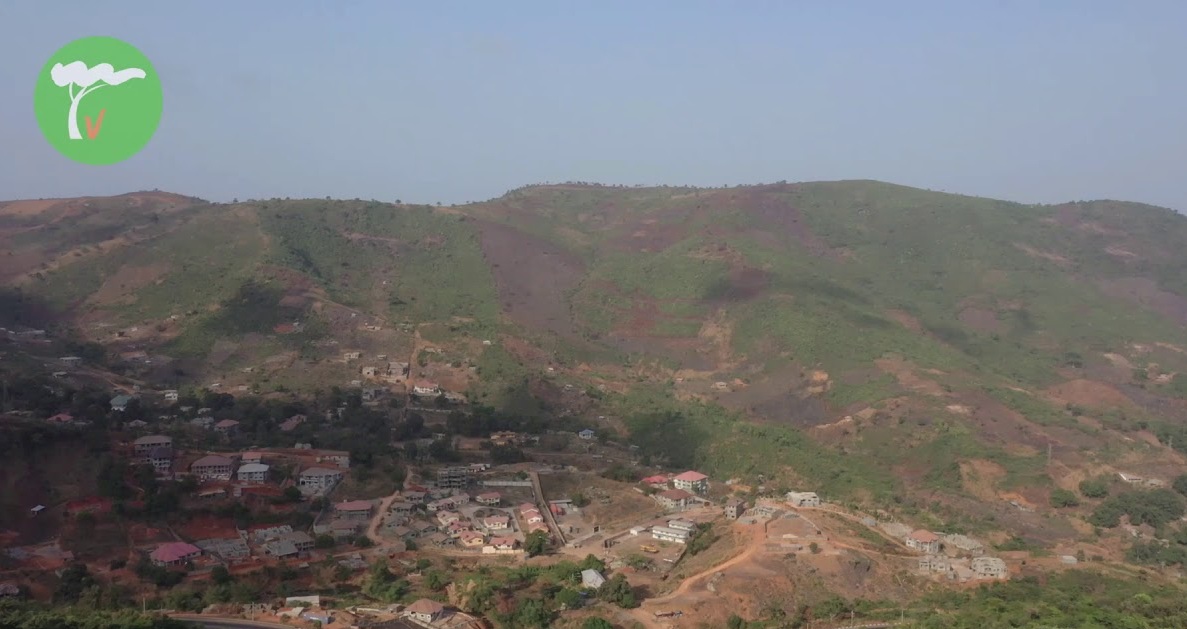
A coalition of civil society organizations in Sierra Leone has issued a scathing condemnation of a government proposal to reduce the Western Area Peninsula National Park (WAPNP) by 5,000 hectares, a 28.9% cut from its current 17,185 hectares.
The plan, put forward by the National Protected Area Authority (NPAA) and the Ministry of Lands, Housing, and Country Planning, has sparked outrage among environmental and land rights groups, who warn of dire consequences for water security, biodiversity, and climate resilience.
In a joint statement released today, organizations including Resolve,Global Namati, Green Scenery, and the National Coalition for Community Legal Empowerment described the proposed re-demarcation as a “direct assault” on one of Sierra Leone’s most vital ecological assets. The WAPNP, a critical watershed for Freetown’s Guma Valley Dam, supplies water to the capital’s growing population.
The groups argue that reducing the park’s boundaries would jeopardize water availability and quality, exacerbate biodiversity loss, increase the risk of landslides and flooding, and undermine efforts to combat climate change.
“The Western Area Peninsula National Park is not just a forest—it’s a lifeline for Freetown,” said a spokesperson for Namati. “This proposal threatens the water we drink, the species we protect, and the safety of our communities.”
The coalition highlighted the park’s role as a refuge for endangered species and a natural defense against climate impacts, noting that its reduction could drive rare plants and animals toward extinction and worsen Freetown’s vulnerability to natural disasters. The city has a tragic history of landslides and flooding linked to deforestation, a risk the groups say would only grow with further encroachment.
Critics also slammed the lack of transparency and public consultation in the proposal, accusing the NPAA of failing its mandate to protect Sierra Leone’s natural heritage. The statement called for the immediate resignation of the NPAA’s Executive Director and urged the Ministry of Lands to abandon the plan and focus on sustainable land reforms aligned with the National Land Policy 2015.
The coalition appealed to the Ministry of the Environment and Climate Change to engage environmental experts and communities in a transparent review of forest laws to strengthen protections. They also called on international development partners to pressure the government to reverse course.
“The protection of the Western Area Peninsula National Park is non-negotiable,” the statement concluded. “The future of our environment, water security, and public safety depends on it.”
Signed by groups including Land for Life, Conservation Society of Sierra Leone, and Lady Ellen Women’s Aid Foundation, the statement underscores a unified stand against the proposed changes.
A few days ago, on June 16, 2025, the Ministry of Water Resources and Sanitation and the Guma Valley Water Company (GVWC) issued a press release opposing the NPAA and Ministry of Lands’ plan to reduce the protected catchment forest by nearly 30%.
Lawyer Yasmin Jusu- Sheriff noted on Facebook that this unprecedented move saw parts of the government break from the usual “conspiracy of silence” often used by politicians to mask exploitation and violations of citizens’ rights, especially the weakest and most vulnerable.
As the debate intensifies, the unified stance of civil society and the rare governmental dissent from the Ministry of Water Resources and Guma Valley Water Company signal a critical turning point. With #Freetown’s water security, #biodiversity, and environmental stability hanging in the balance, the call to protect the Western Area Peninsula National Park grows louder


The “protected park” is vast…they should map it out with detailed marks to show the area for everyone to see. Let’s not forget that this park is situated in Freetown, the capital city of Sierra Leone. So much fuss about plants and animals, forgetting that humans are more important and should be treated as such. When the population has increased by 100+ percent, if we don’t accumulate more land, where do we expect people to inhabit??
Balancing Urban Development and environmental protection shouldn’t be mutually exclusive. Our quality of life is bound to nature.
Freetown is a fast expanding metropolitan area with very little urban planning or environmental protection. Often the latter is neglected until too late and consequence irreversible.
For instance the sand extraction of our beaches has seen in my last 2years of observation a massive loss of sand downstream on No 2 river, Have you not noticed how much narrower the beach is+
We hang a lot on eco tourism as part of our diversifying economic development. If this the case then reducing the quality and scale of our natural pristine environment is suicidal development.