

 Post a comment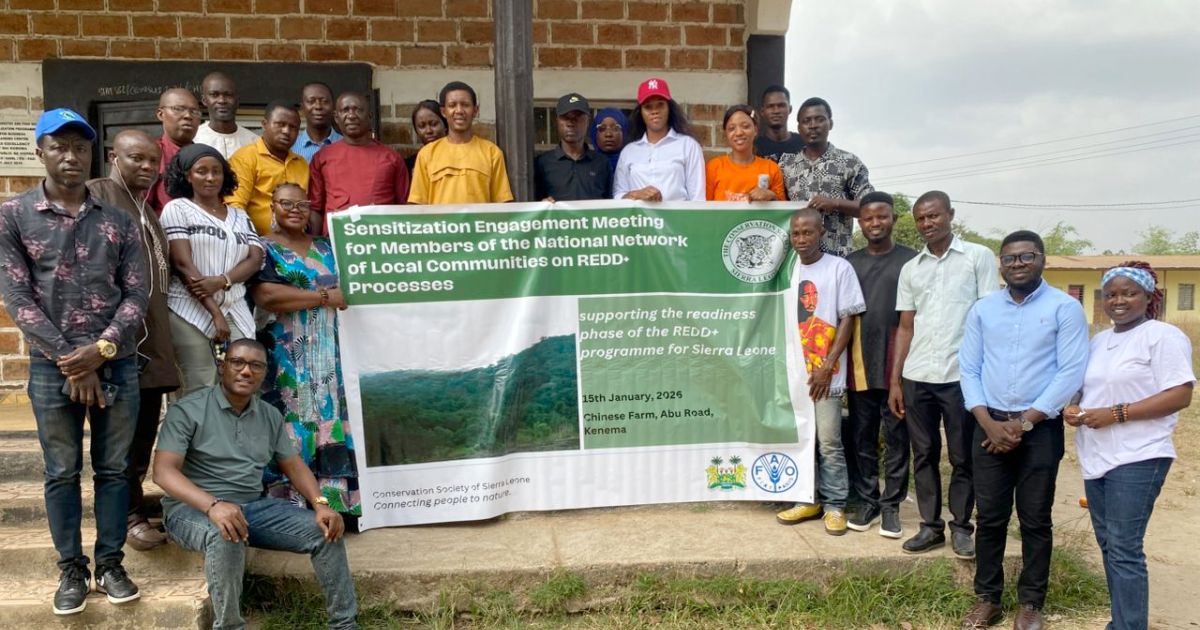
The Conservation Society of Sierra Leone (CSSL), in collaboration with the Food and Agriculture Organization (FAO) of the United Nations, has concluded a one-day sensitization meeting on REDD+ processes for local communities at Chinese Farm in Kenema City.
The meeting, held on January 15, 2026, brought together community leaders, youth representatives, women’s groups, and other stakeholders from all five regions of the country who share concerns about forest conservation and sustainable livelihoods.
According to CSSL Communications Manager Abdul Kaprr Dumbuya, the engagement was designed to deepen community understanding of REDD+ processes. REDD+ stands for Reducing Emissions from Deforestation and Forest Degradation, while promoting inclusive participation in environmental decision-making.
Through interactive discussions and presentations, participants were educated on the importance of protecting forests as natural resources that support livelihoods, food security, and climate resilience.
- Justice Stevens’ Sister Responds to Edwina Jamiru’s Viral Allegations, Calls for Calm and Respect
- Russia to Collaborate With Sierra Leone, Other African Nations For Peace, Progress And a Promising Future
- Taxpayers Raise Concerns Over the Impact of Smuggled Goods Entering the Country Through Its Borders
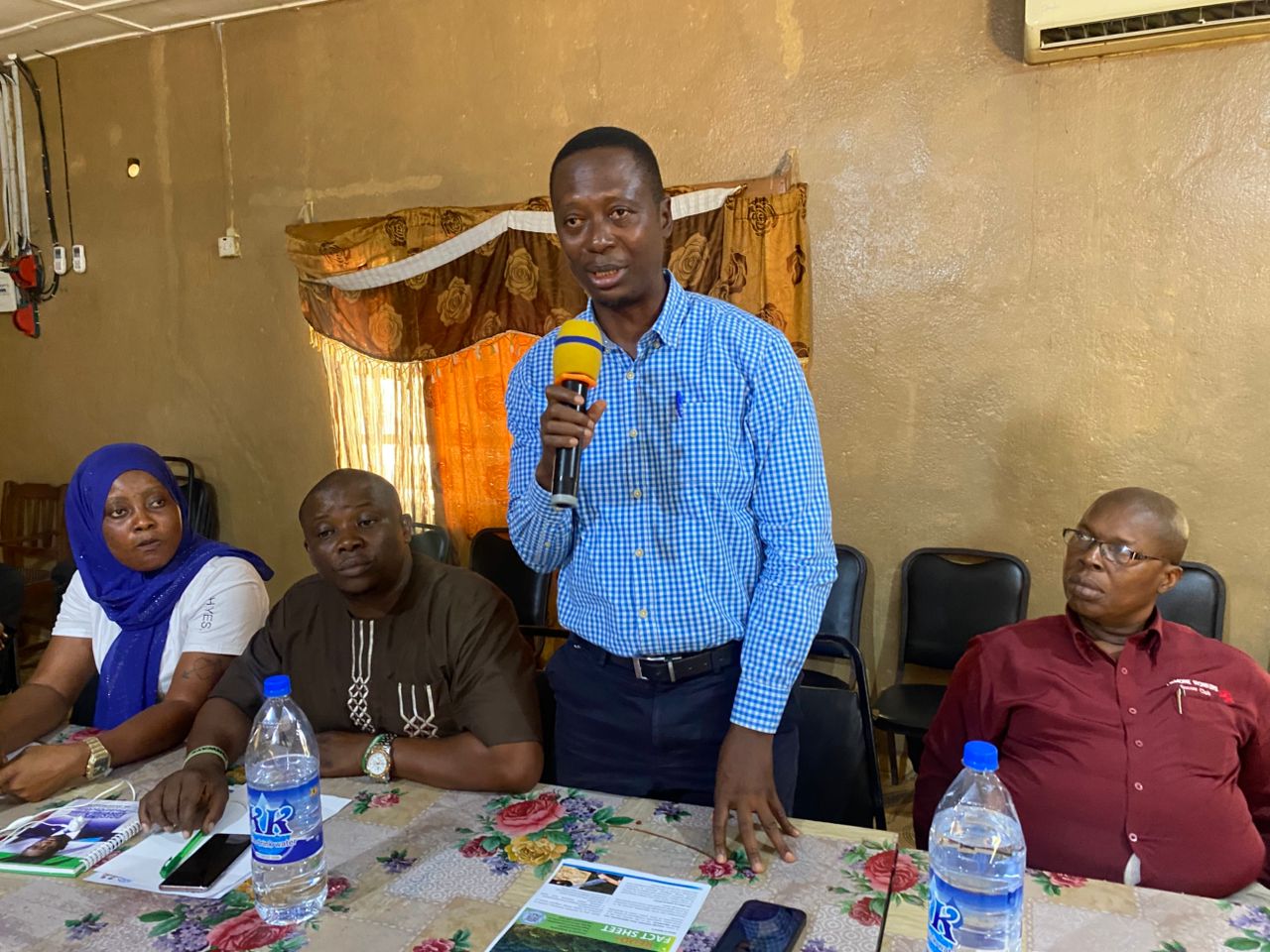
Dumbuya emphasized that the Sierra Leone REDD+ project is people-centered and development-driven, seeking to improve forest conservation, mitigate climate change impacts on vulnerable communities, and enhance community development through sustainable practices.
“Our forests are our heritage and our future,” Dumbuya said. “Through the REDD+ processes, communities are not just beneficiaries, but key partners in the entire project.”
CSSL Executive Director Dr. Sheku Kamara noted that deforestation and forest degradation continue to pose serious threats to rural communities, increasing their vulnerability to climate-related shocks including flooding, unpredictable rainfall, and declining agricultural productivity. He stated that REDD+ provides an opportunity to address these challenges by encouraging sustainable land-use practices and strengthening community ownership of forest resources.
Musa Septimus Koroma from the REDD+ Project Implementation Unit at FAO Sierra Leone delivered presentations on key REDD+ concepts, including Monitoring, Reporting and Verification, and carbon financing.
Madam Doris Fatima Webber from Waterloo welcomed the initiative and praised CSSL for bringing the discussion to the community level. “I’m very delighted for the clarity provided on how REDD+ works, our rights and responsibilities as community members, and the potential benefits of conserving our forests,” she said.
Julius Sama, Senior Conservator at the Ministry of Environment and Climate Change attached to the Forestry Division in Kenema District, explained that the Ministry’s role is to oversee partner organizations in implementing policies regarding efficient forest management and conservation.
During the meeting, elections were conducted to establish a governance body for the National Network of Local Communities on REDD+ for an initial three-year term. The executive body will form part of the broader outreach strategy to ensure local voices are heard for the project’s success.
Elected officials include Madam Doris Fatima Webber as Chairperson, Siddie Mohamed Baion from Kenema as Deputy Chairperson, Gibril Turay from Kambia as Secretary General, Mohamed Quee from Bombali as Public Relations Officer, and Madam Judith Yeama Harleston from Bo as Treasurer.


