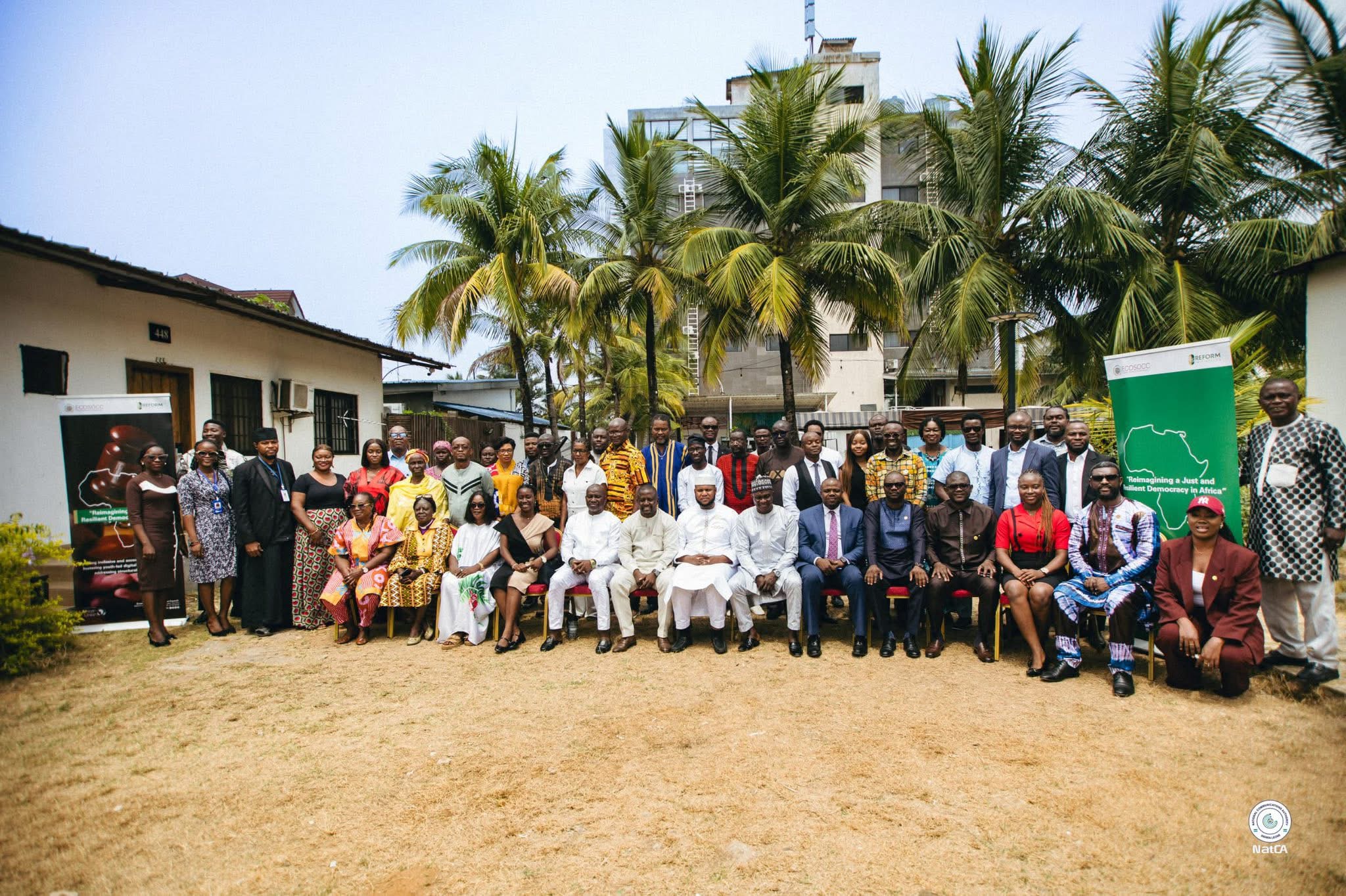
ECOSOCC Hosts Multi-Stakeholder Dialogue on Strengthening Democracy Under African Charter Framework
 Aaron Parker
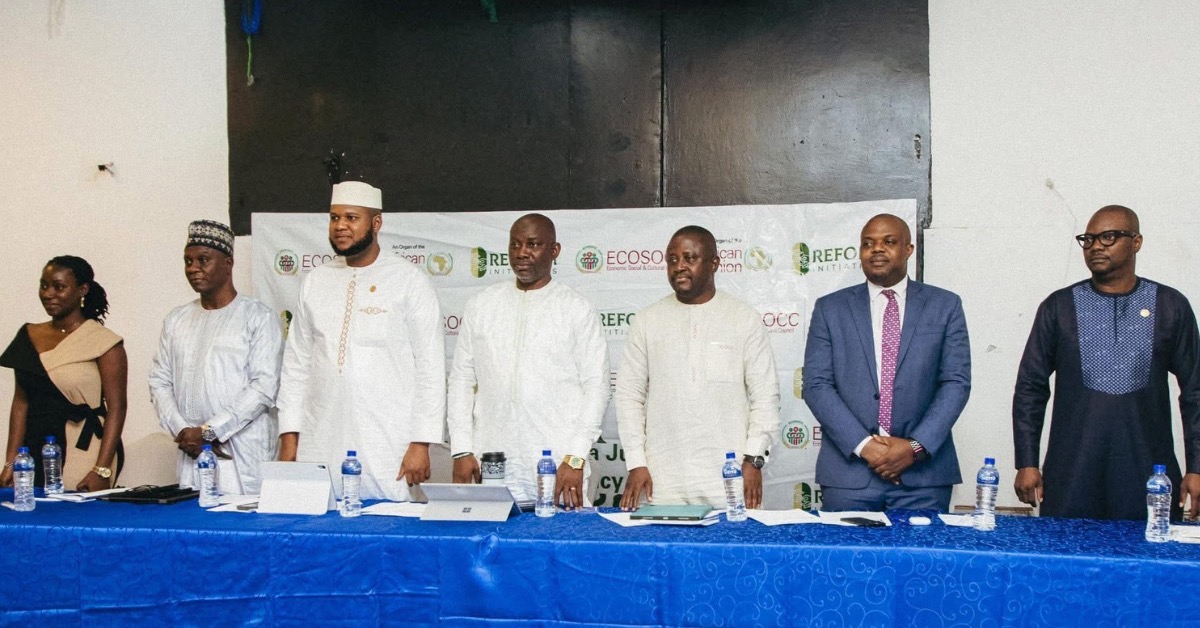
 The Sierra Leone National ECOSOCC Chapter, in collaboration with the Campaign for Human Rights and Development International (CHRDI) and Reform Initiatives, has convened a high-level Multi-Stakeholder Dialogue on reimagining a just and resilient democracy in Sierra Leone.
Held at the Sierra Palms Hotel on Lumley Beach Road in Freetown, the dialogue brought together civil society actors, government officials, political stakeholders, media practitioners, youth representatives, and development partners under the theme: “Reimagining a Just and Resilient Democracy in Sierra Leone.”
The engagement builds on a 2023 awareness workshop in Freetown and forms part of ongoing efforts to assess how democratic actors engage with the African Charter on Democracy, Elections and Governance (ACDEG) at national level, particularly in relation to accountability, political party democracy, and constitutional safeguards.

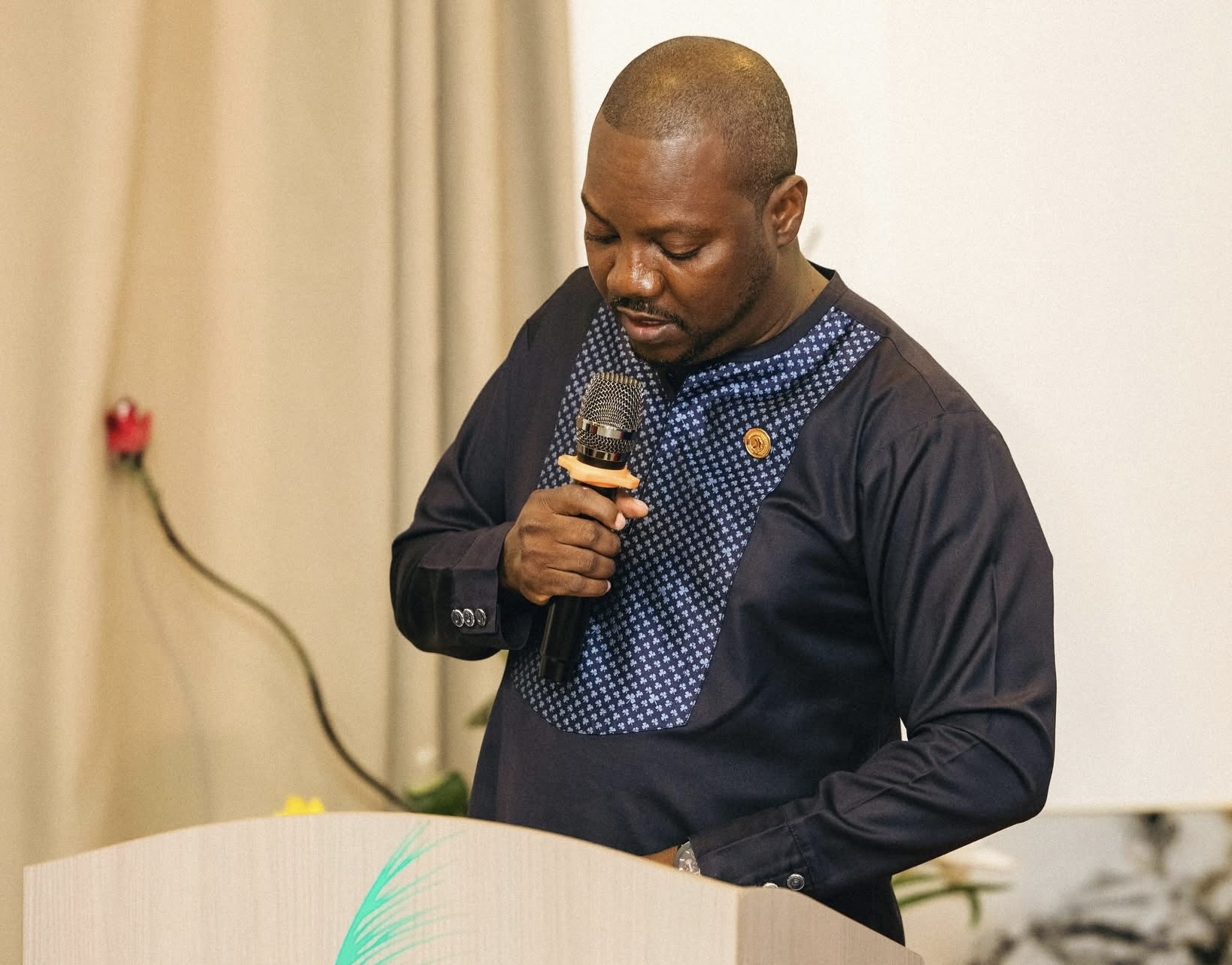
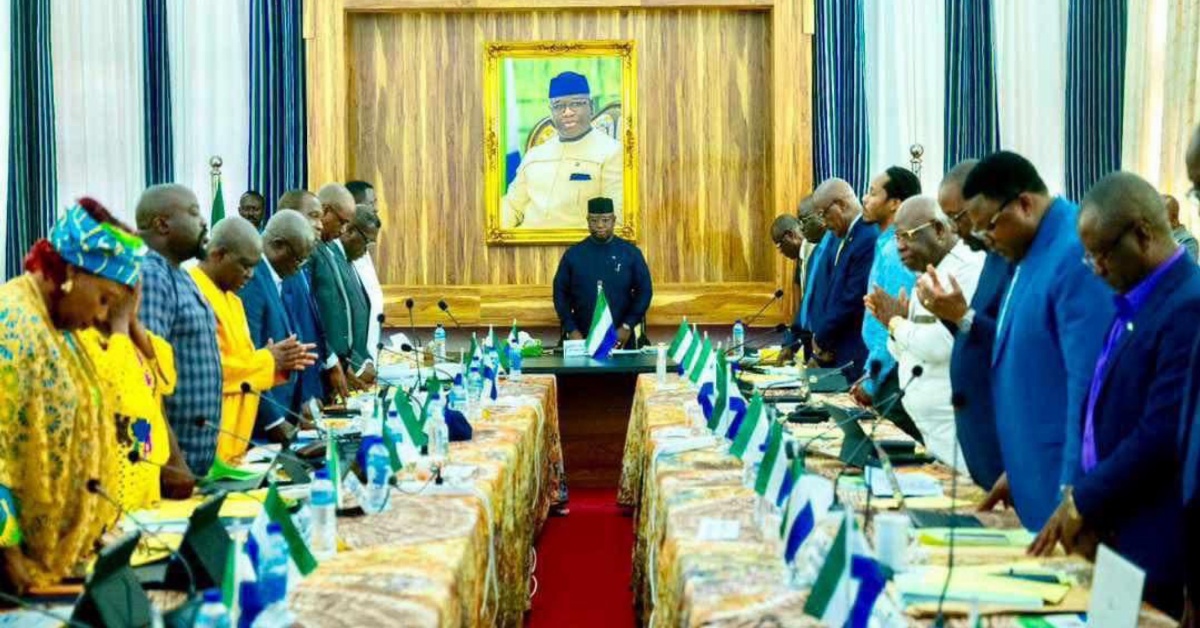
Delivering the opening address, the Head of Secretariat of the African Union Economic, Social and Cultural Council (ECOSOCC), William Carew, urged stronger civic participation and deeper democratic accountability, describing citizens as central drivers of governance reform.
Reflecting on Sierra Leone’s post-conflict journey, Carew praised the resilience of the population.
“Sierra Leone has shown the world something remarkable the resilience of a people who refuse to be defined by their wounds,” he said.
He emphasized that democracy must be understood as a system sustained by ordinary citizens, not only political leaders.
“When civil society produces the leadership of the state, it proves that the civic space is not merely a zone of complaint, but a nursery of governance,” Carew noted.
He also highlighted the African Charter on Democracy, Elections and Governance as a “living compact” that guarantees participation, rule of law, and credible elections, stressing that democracy must be built and protected by citizens themselves.
Carew further announced upcoming ECOSOCC engagements, including grassroots dialogues, institutional consultations, and a student assembly at Fourah Bay College aimed at expanding youth participation in governance.
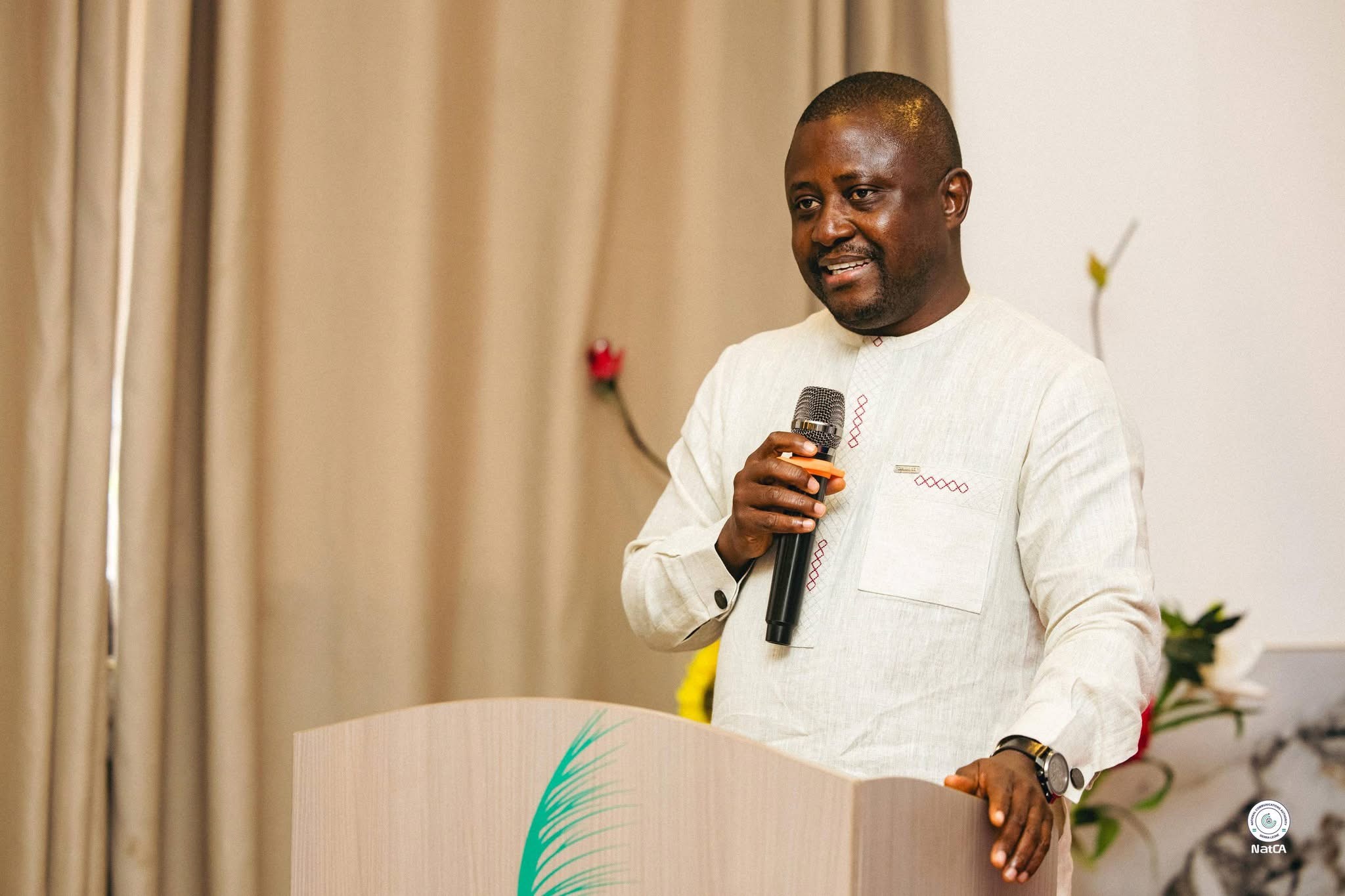
Delivering the keynote address, Attorney General and Minister of Justice, Alpha Sesay Esq., cautioned that Sierra Leone’s democratic gains remain fragile and require continuous protection.
“Democracy is not a finished product. It is a living project one that must be renewed by every generation,” he said.
He stressed that democracy must go beyond elections and constitutional provisions to reflect everyday interactions between citizens and the state.
“It is not enough to hold elections or draft constitutions. Democracy must be lived every day,” Sesay added.
He identified key challenges including weak party democracy, declining institutional trust, executive overreach, and threats to judicial independence, describing them as urgent national concerns.
Sesay also underscored the importance of youth participation, noting:
“Our youth, our greatest national resource, must remain at the centre of this process.”
He reaffirmed government commitment to constitutional review processes, calling them a national opportunity to strengthen democratic safeguards.
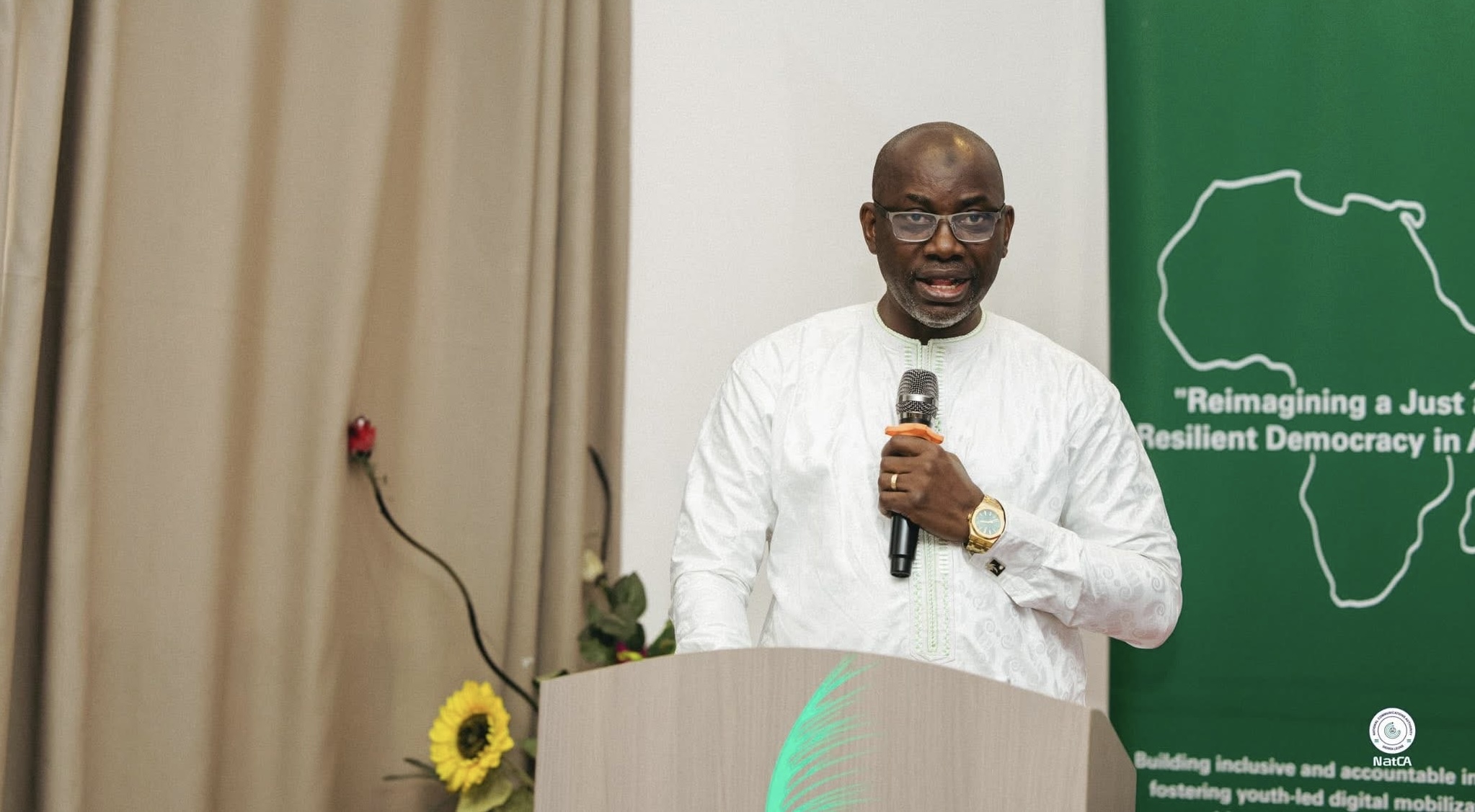
Minister of Public Administration and Political Affairs, Amara Kallon, emphasized that democracy must deliver justice, accountability, and citizen participation.
“Democracy must go beyond structures—it must deliver justice, build trust, and create space for meaningful citizen participation,” he said.
He encouraged stakeholders to move beyond dialogue into action-driven reforms.
“Let this not be just a conversation, but a catalyst for practical reforms that strengthen governance and deepen public trust,” Kallon urged.
Other speakers at the Multi-Stakeholder Dialogue echoed similar calls for strengthened democratic governance, greater citizen participation, and institutional accountability across Sierra Leone and the African continent.
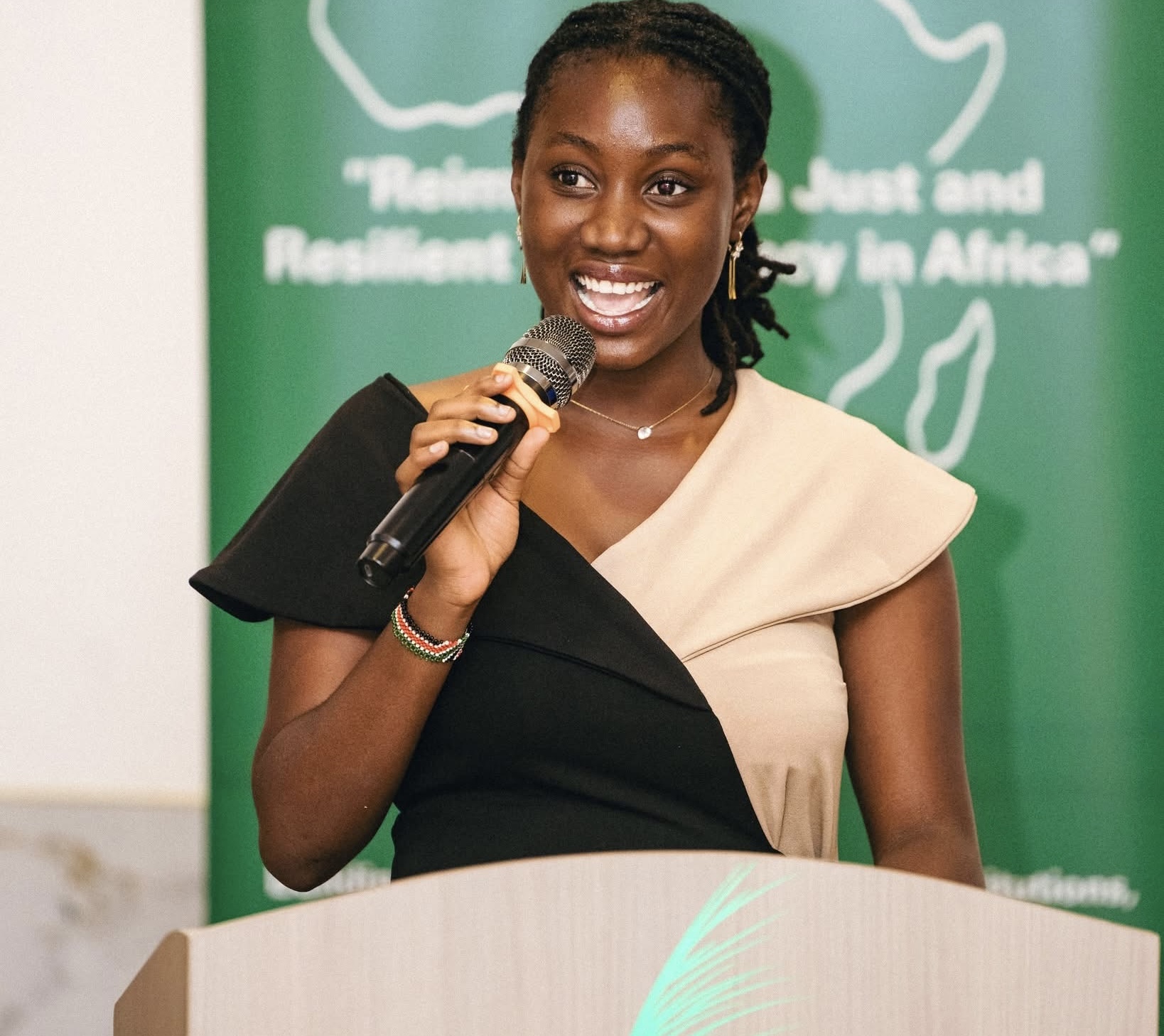
Laureate of the ECOSOCC Young African Writing Contest, Samantha Strong, delivered a powerful call for increased youth inclusion in governance.
“Your voice matters. Your words are policy. Your vision is data,” she said.
She stressed that democracy must translate into tangible justice and opportunity for young people.
“Justice is whether a young girl turned away from a polling station today can vote in the next election,” she noted.
Strong also challenged narratives around youth resilience, arguing that systems not individuals should bear the responsibility for creating opportunity.
“We are resilient, but we should not have to be quite so resilient so often,” she said.
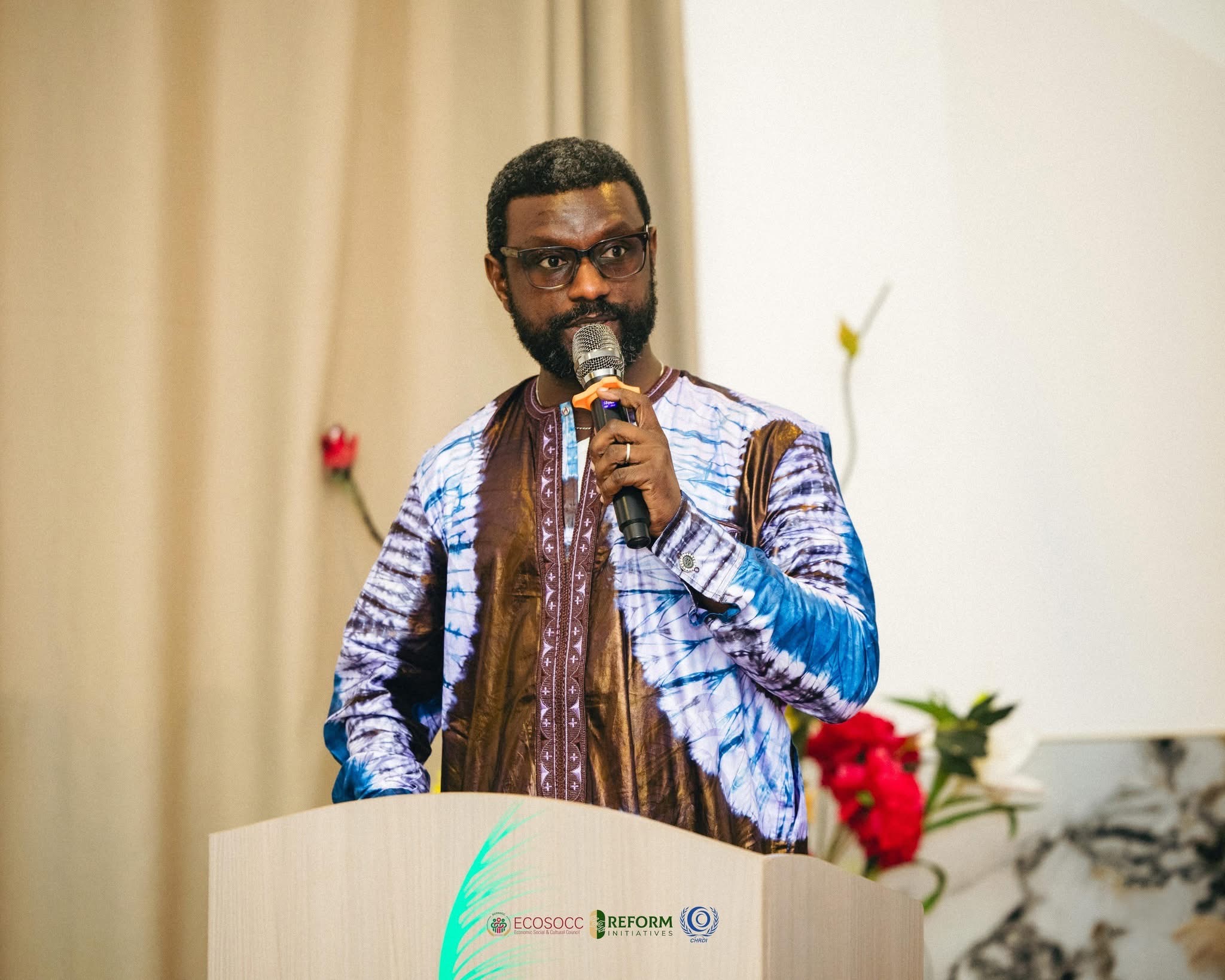
Acting Director of the African Development Bank’s Joint Secretariat Support Office, Abibu Tamu, reaffirmed the Bank’s commitment to linking development financing with governance reforms.
“Our objective is to translate political commitments into measurable development outcomes that advance both economic transformation and democracy,” he stated.
He emphasized youth empowerment, digital innovation, and institutional strengthening as key priorities.
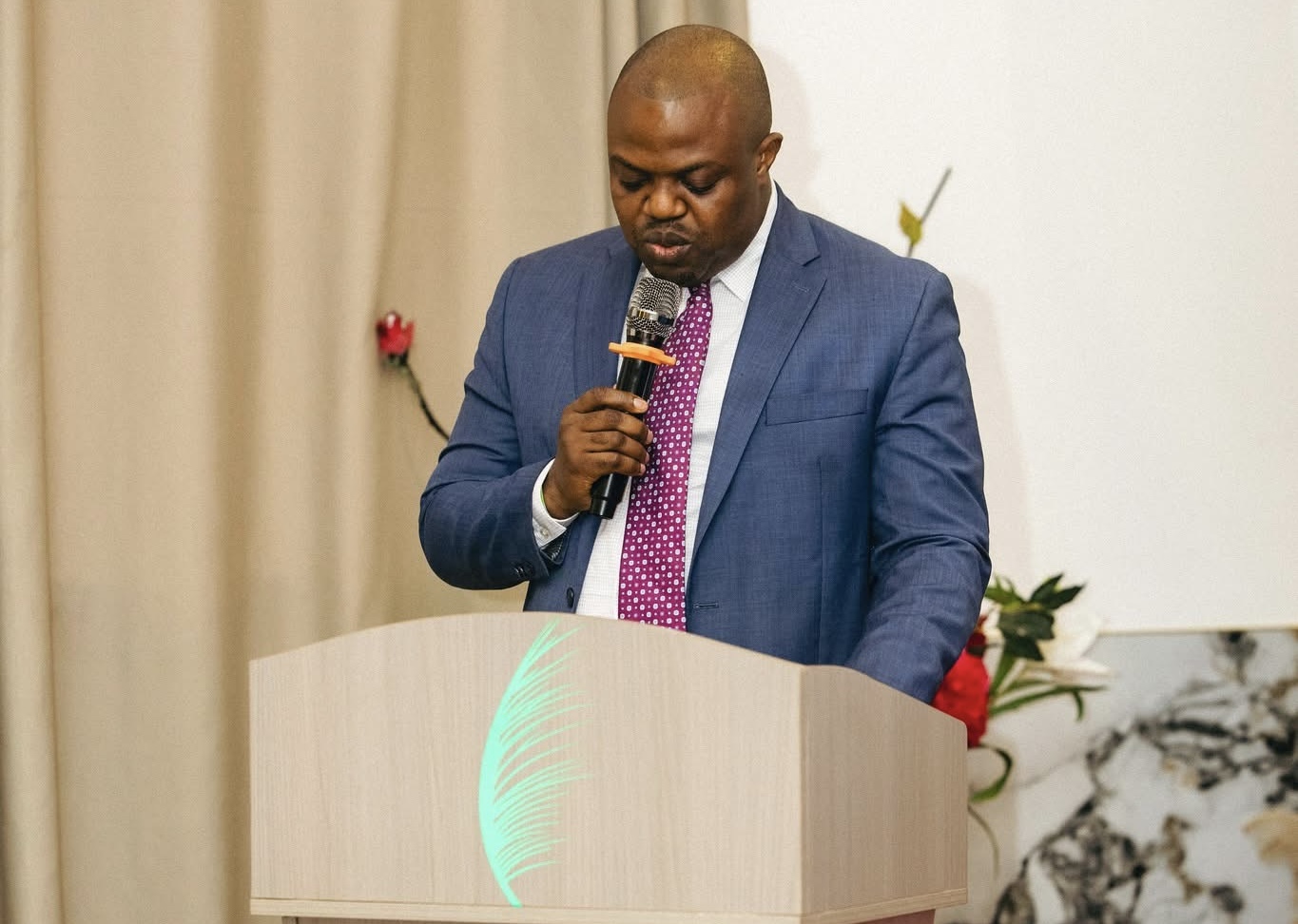
CHRDI Executive Director, Abdul Fatoma, urged stakeholders to move beyond identifying problems to implementing solutions.
“We know our problems. We feel them and experience them. What we need now are the solutions,” he said.
He described democracy as a “daily contract” requiring honesty, responsibility, and collective action.
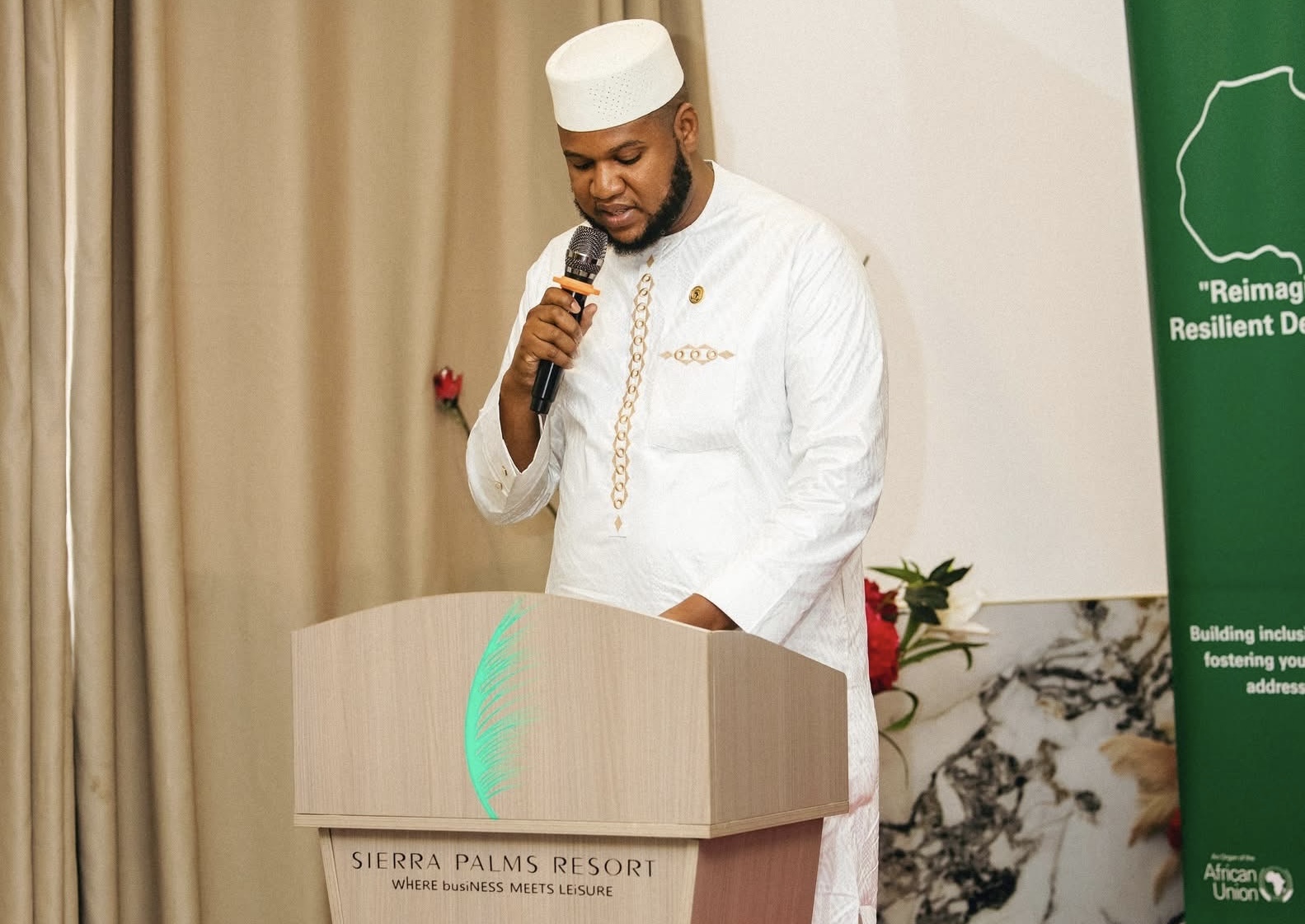
Presiding Officer of ECOSOCC, Louis Cheick Sissoko, warned that democracy can erode gradually if civic engagement weakens.
“Silence is not neutrality. Responsibility is to act,” he cautioned.
He stressed that democracy is more than elections, describing it as a system built on justice, accountability, and inclusion.
“Democracy is not merely the act of conducting elections it is the reality of justice delivered, rights protected,” Sissoko said.
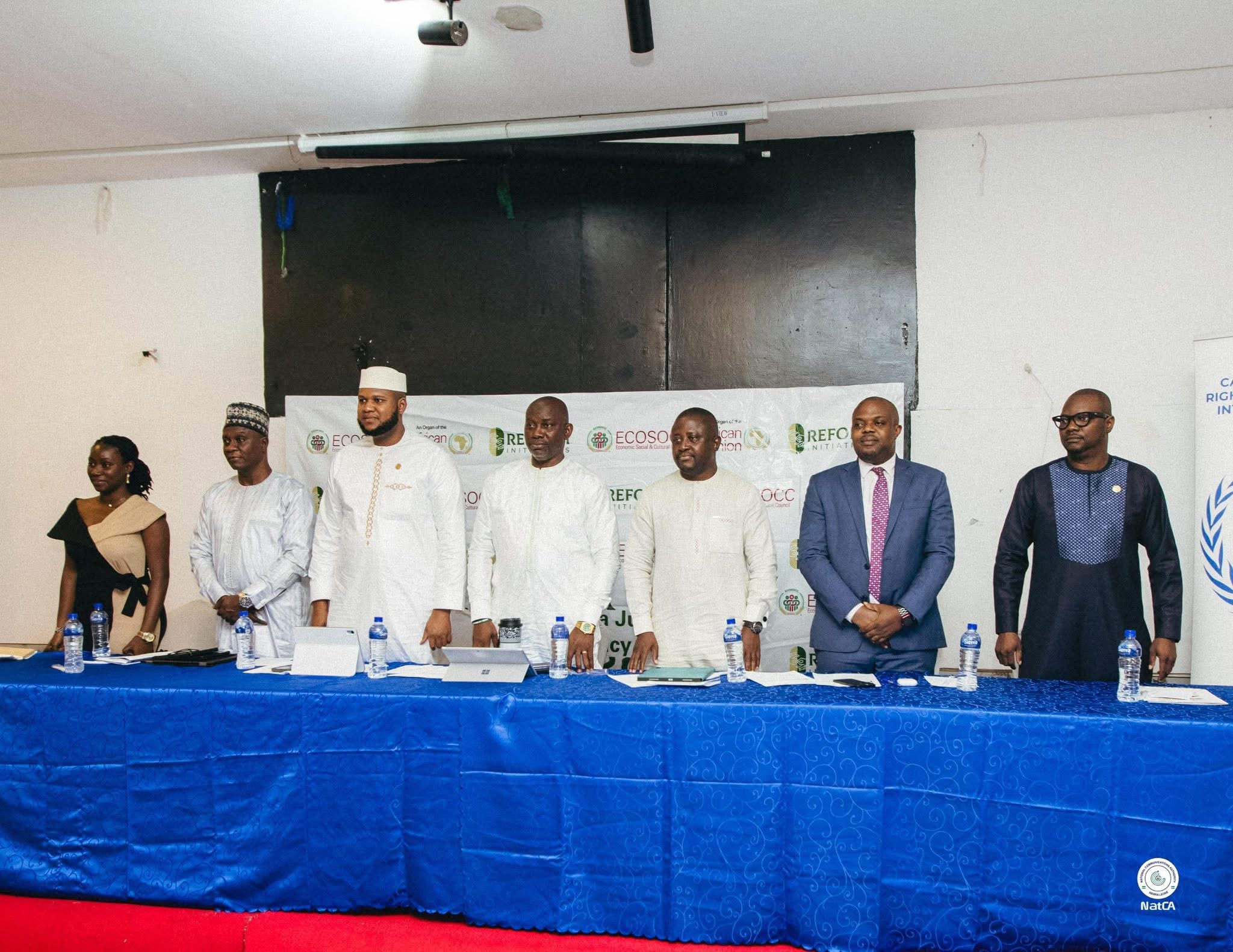
The dialogue concluded with a shared call among stakeholders for deeper reforms, stronger institutions, and sustained citizen engagement to ensure that Sierra Leone’s democracy becomes more inclusive, resilient, and accountable.
It also featured several panel discussions, including: “ACDEG in Action: Sierra Leone’s Democratic Progress and Gaps,” “Rebuilding Democratic Trust,” and “Security and the Rule of Law.”
Organizers described the engagement as part of a broader continental effort to strengthen democratic governance through dialogue, civic participation, and the practical application of the African Charter on Democracy, Elections and Governance.