

ECOWAS Launches Solar Water Projects in Sierra Leone and The Gambia
 Ben Bassey
 The Economic Community of West African States (ECOWAS) has officially launched construction of solar-powered water points in Sierra Leone and The Gambia, part of a broader initiative to improve access to safe drinking water for vulnerable populations across the region.
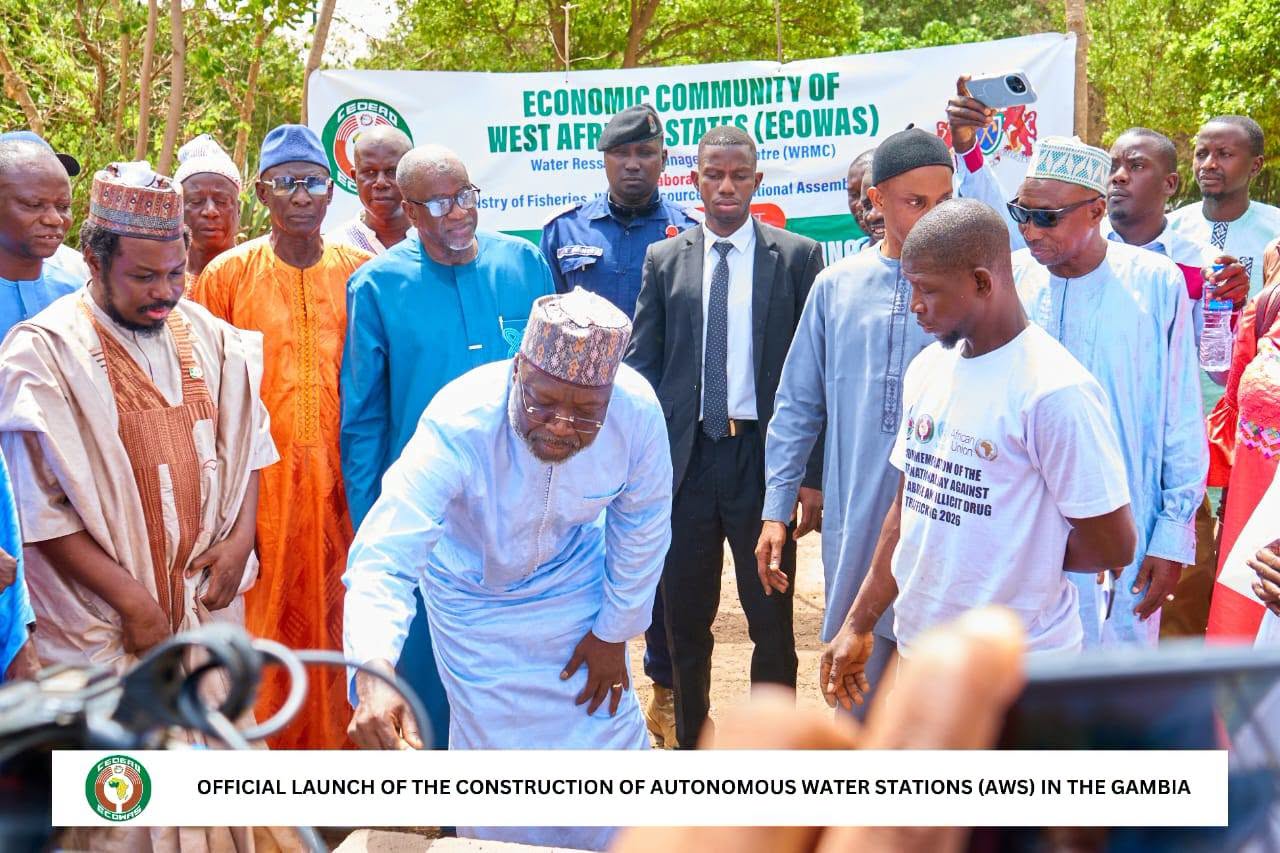
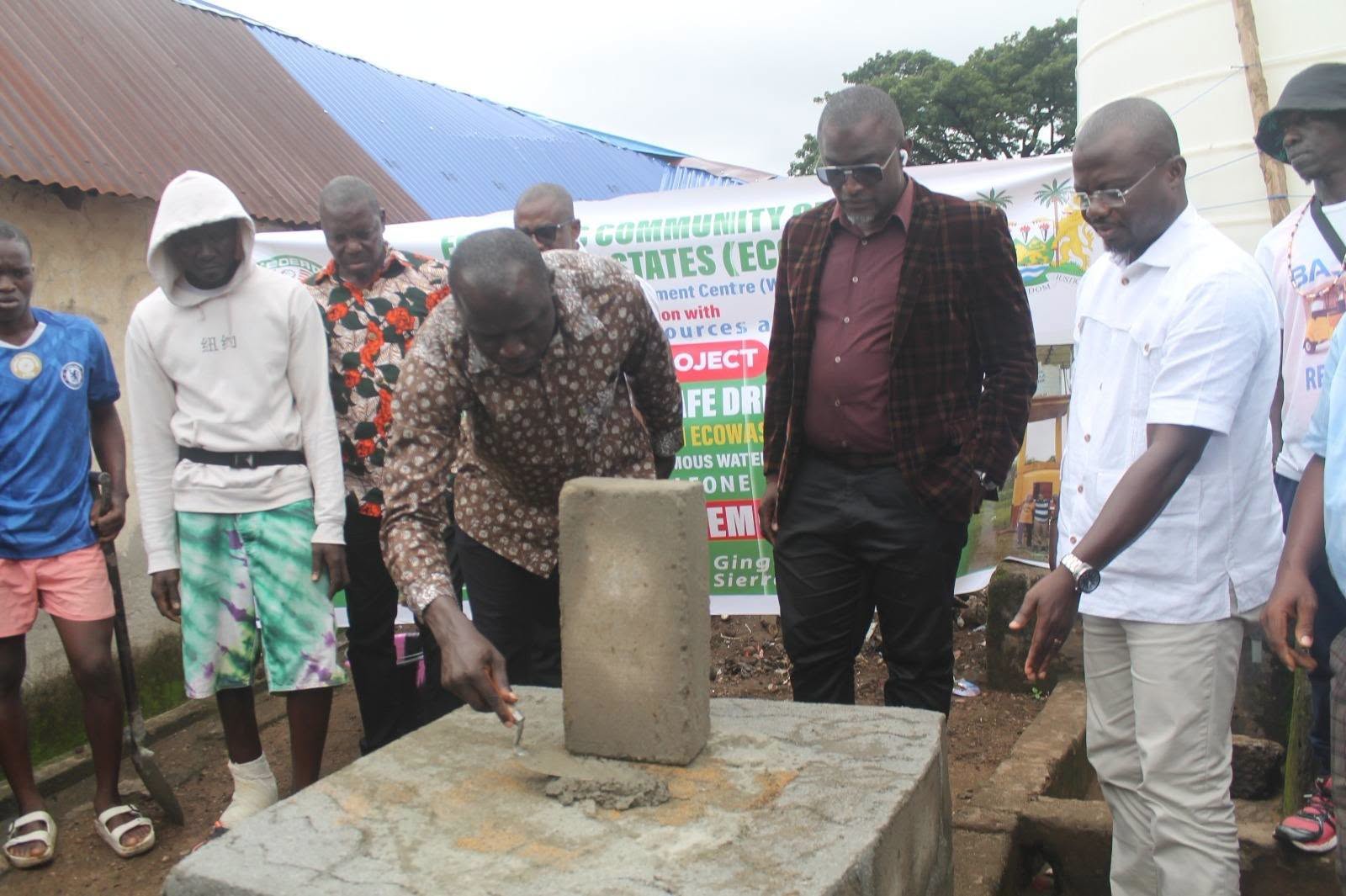
The ceremonies took place within five days of each other: on 10 July 2026 in Busura, about fifty kilometres from Banjul, The Gambia, and on 14 July 2026 in Ginger Hall, a suburb of Freetown, Sierra Leone. The projects fall under the Special Project “Improving Access to Safe Drinking Water for Vulnerable Populations in ECOWAS Member States.”
In Sierra Leone, the launch followed the official handover of sites to contractors on 16 June 2026.

The initiative is part of ECOWAS’s broader 25-year infrastructure master plan, which includes 201 regional projects valued at $131 billion across transport, energy, telecommunications, and water resources. Each country is expected to receive fifteen solar-powered autonomous water stations.


The ceremonies were attended by senior ECOWAS officials and government representatives from both beneficiary countries.
In The Gambia, the event was graced by ECOWAS Commission President Dr Omar Alieu Touray, alongside the Commissioner for Internal Services and the Minister of Fisheries, Water Resources, and Parliamentary Affairs.
In Sierra Leone, the President of the Commission was represented by his Chief of Staff, joined by the Permanent Secretary of the Ministry of Water Resources and Sanitation. ECOWAS Resident Representatives, Heads of National Offices, the WRMC Director, local authorities, and beneficiary communities also participated.
The Gambia project is expected to benefit approximately 8,000 people in rural communities.