

 Post a comment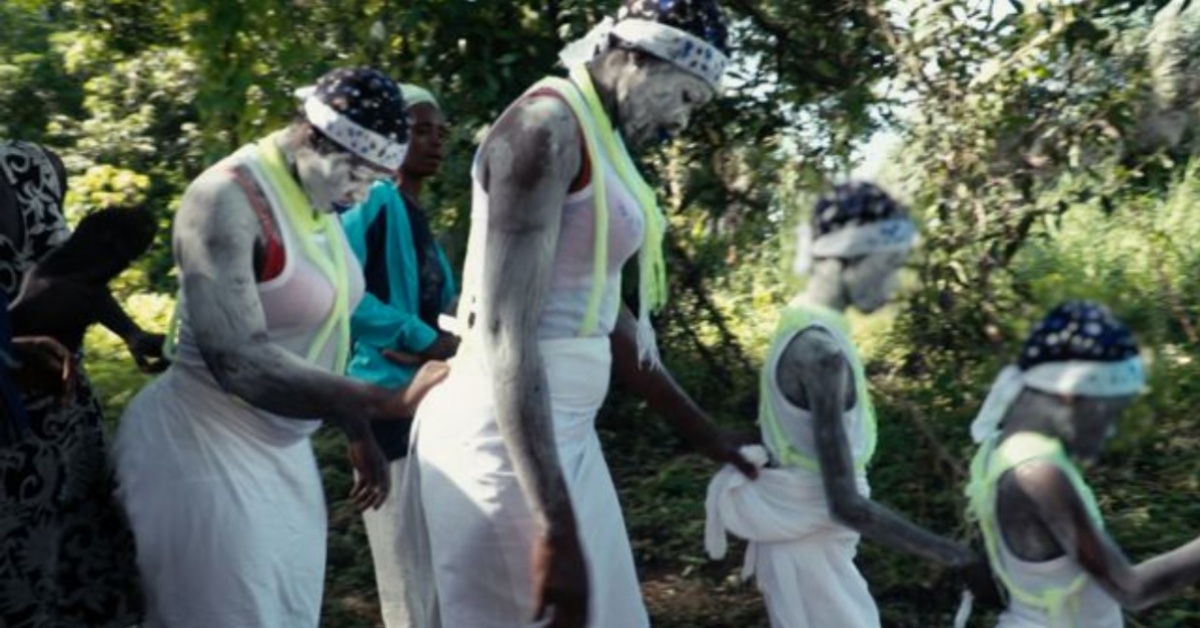
The European Union has criticized Sierra Leone for failing to outlaw Female Genital Mutilation (FGM) in its newly enacted Child Rights Act of 2025, describing the omission as a major setback in the country’s efforts to protect women and girls.
Speaking at the launch of the 16 Days of Activism against Gender-Based Violence in Freetown, EU Ambassador to Sierra Leone Jacek Jankowski commended the government for recent reforms but said the Act missed a critical opportunity to criminalize FGM.
“The government has made important improvements in protecting women and girls,” Jankowski said. “But the Child Rights Act of 2025 is a missed opportunity. It should have banned and criminalized FGM once and for all.”
FGM, locally called Bondo, remains a widespread cultural practice in Sierra Leone despite a ruling by the ECOWAS Court of Justice describing it as “one of the worst forms of violence against women,” and, when intentionally inflicted, an act that “meets the threshold for torture.”
Survivors who spoke to Truth Media described long-lasting trauma and health complications. Isatu Sesay, who was cut at age seven, recalled being taken by force to the “Bondo bush.”
“I was only seven years old when I was cut twice because the soweis said my clitoris grew again,” she said. “I ran away from home out of fear, but I was captured and taken to the Bondo bush. It was horrific, and I still get flashes of that day. I had complications during childbirth because of scarring; it was horrible.”
Another survivor, Fatmata Koker, said she was initiated as an adult under false pretenses. “I was deceived by my mother, who invited me to Kailahun for the holidays. Over 10 women entered the room and carried me to the Bondo bush. I was cut without consent. The pain was unbearable, and I felt betrayed because I was denied the right to choose,” she said.
At the Young Women Conference and Festival 2025, themed “Voices of Rebirth: Young Women Rising Beyond the Cut,” survivors said tradition had been used to harm rather than protect them. Jalahan Jakema, cut at age 12, said she was targeted because of family disputes. “I was taken to the Bondo bush forcefully because my family had issues with soweis. I became the pawn for revenge. I suffered injustice and humiliation. My voice drowned,” she said.
Another participant, Nyamakoro Marrah, described being tricked by her mother before 12 women seized her. “I fought back, but my strength did not make a difference. I was traumatized, and it took years to heal mentally,” she said.
Survivors insisted that cultural practices must evolve. Sesay said, “The Bondo is not a bad tradition if it does not involve cutting. We want a bloodless Bondo where girls can dance to the drums without fear.”
Koker, now an advocate against FGM, called for legislative action. “FGM is a form of violence. I want it named in the Act and criminalized. I do not want women and girls to go through what I went through,” she said.
Jakema shared the same view. “A culture that hurts should not be preserved. All forms of violence against women and girls, including cutting, must end,” she said.
Ambassador Jankowski urged the government to revisit the Child Rights Act and address what he called a significant gap in child protection, reinforcing the EU’s position that FGM must be legally prohibited to safeguard girls across the country.


