

 Post a comment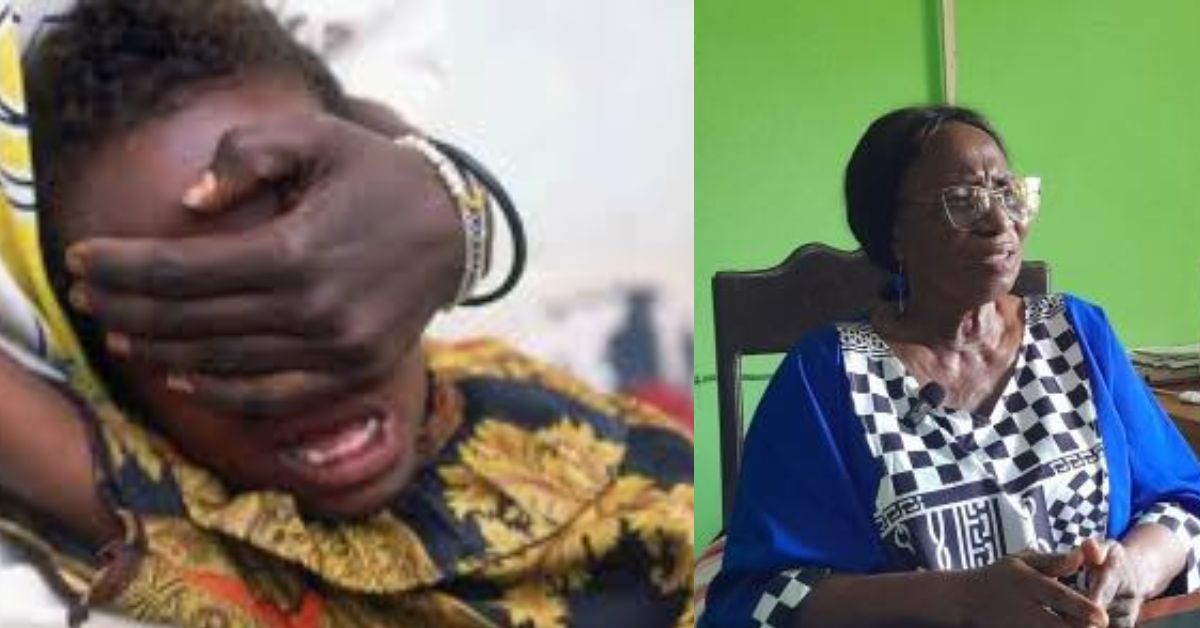
Mamie Kailondo, a 21-year-old health education student at Njala University and intern at AMT Hospital in Bo, is among a growing number of young Sierra Leoneans turning personal trauma into public advocacy.
A survivor of Female Genital Mutilation (FGM), Mamie now dedicates her time to educating patients on health-seeking behaviors and campaigning against the practice that left her physically and emotionally scarred.
“I still go through the pain,” she says, recalling her initiation at age seven. “Someone sat on my stomach; another held my legs and they cut me while I was blindfolded.”
Mamie’s story is tragically common in Sierra Leone, where FGM – often carried out by Sowies, leaders of the Bondo secret society – remains deeply entrenched in cultural tradition. Despite global condemnation and mounting evidence of its devastating health consequences, the practice persists, often in secrecy and with political protection.
FGM, also known as Female Genital Cutting (FGC), involves the partial or total removal of external female genitalia for non-medical reasons. The United Nations classifies it as a violation of human rights. Health experts warn of immediate risks such as hemorrhage, infection, and death, as well as long-term complications including infertility, chronic pain, and psychological trauma.
In 2024 alone, Sierra Leone recorded three underage deaths linked to FGM. Activists believe the actual toll is higher, covered by the secrecy surrounding the practice.
Hanna Yambasu, founder of Women Against Violence and Exploitation in Society (WAVES-SL), has spent two decades fighting FGM. “My experience of it was horrible, so I grew up hating it,” she says. “That is why I do what I do.”
Despite years of advocacy, efforts to outlaw FGM have repeatedly stalled. Hopes were high when President Julius Maada Bio took office in 2018, especially with First Lady Fatima Bio’s “Hands Off Our Girls” campaign. Activists were further encouraged by the draft Child Rights Act 2022, which initially included a clause banning FGM.
However, when the Act was passed, the clause was missing. President Bio signed it into law quietly, with the announcement made only during a town hall meeting on October 14. The omission sparked outrage.
“It’s a huge disappointment for girls of this country,” Yambasu said. “If the President was serious about protecting lives, he wouldn’t have signed that document.”
Regina Kombe Kajue, Director of Voice for the Voiceless Woman, called the move contradictory. “FGM is a contributing factor to early marriage. It makes no sense to ban child marriage while allowing FGM to continue.”
The backlash comes amid growing regional momentum against FGM. In July, the ECOWAS Community Court of Justice ruled the practice constitutes torture and ordered member states to legislate against it. As ECOWAS chairman, President Bio is under pressure to lead by example.
Caroline Lagat of Equality Now, a global NGO supporting the Forum Against Harmful Practices (FAHP), says Sierra Leone’s government had previously assured them that banning underage initiation was a priority. “It’s unfortunate that after the debate in parliament, the clause was removed. There is no protection mechanism for girls in the country,” she said.
Despite the setback, campaigners like Mamie, Hanna, and Regina remain undeterred. They are turning to regional and international platforms, including ECOWAS, the African Union, and the United Nations, to hold the government accountable.
“Sierra Leone has signed multiple human rights treaties,” says Lagat. “We will continue to advocate, collaborate, and push for change.”
For Mamie, the mission is personal. “Even though I survived, that is a pain I still go through,” she says. And for her and many others, silence is no longer an option.


