

 Post a comment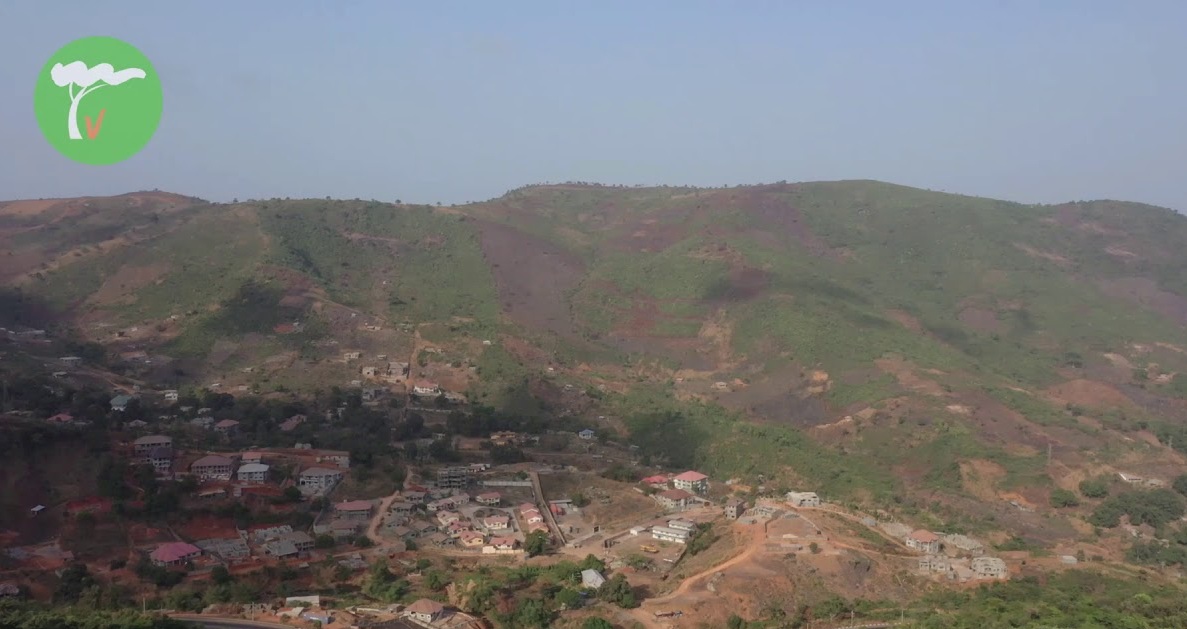
Deputy Minister of the Environment and Climate Change Mima Yema Sobba-Stephens has called on stakeholders, notably Headmen, Councilors, and other partners, to take strong actions to protect the Western Area Peninsula for protecting globally important biodiversity, maintaining essential ecosystem services, and supporting both local and national socio-economic development.
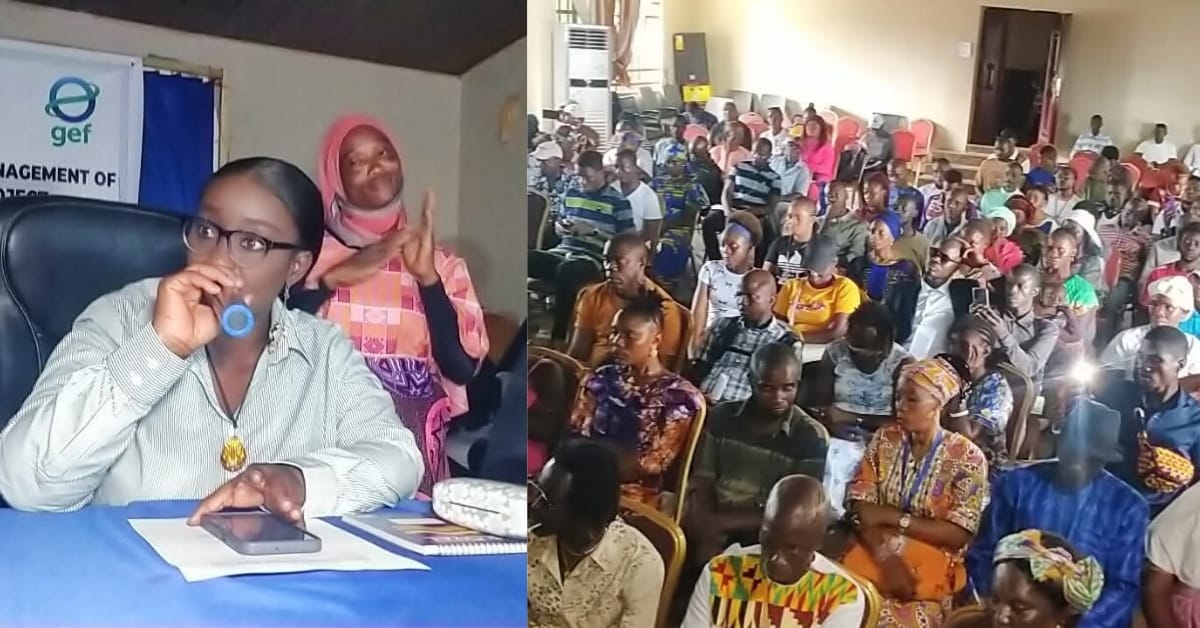
She made this disclosure at the Waterloo District Council Hall, during a meeting with various stakeholders on the Sustainable Integrated Landscape Management of the Western Area Peninsula (WAP) Project being implemented by Tacugama with support from the Global Environment Facility and United Nations Development Programme.
The purpose of the town hall meeting was to raise awareness among community stakeholders, councilors, and MDAs on environmental protection and preservation of WAP biodiversity.
Deputy Minister Sobba-Stephens acknowledged that WAP is not just a stretch of land filled with trees, hills, and rivers, but is the heartbeat of our environment that is providing us with clean water, fresh air, fertile soil, and a home for many unique plants and animals. She noted that some species are found nowhere else in the world, which makes the peninsula a globally important biodiversity hotspot.
She affirmed that the peninsula is under serious threats with consistent indiscriminate cutting of trees, land being cleared for housing, and waste being dumped at places that should remain clean and green. She maintained that these odd actions are damaging the very foundation that supports our lives.
“When we destroy the forest, we are not only losing trees, but we are losing the natural systems that protect us. Forest helps store carbon, keeps our environment cooler, and reduces the effect of climate change,” she stated.

Furthermore, Deputy Minister Sobba-Stephens that there should be consistent awareness raising for stakeholders to understand the significance of protecting WAP; promote sustainable livelihood by encouraging fishing, farming and building practices that do not posed threats to the peninsula forest, strengthing community participation by encouraging youths, women among others to protect and manage the natural resources, enforce environmental laws to stop illegal logging, sand minning, encroahment, restore degraded land by planting trees clean up waterways and protect wildlife habitats.
“Protection of WAP signifies that we are protecting ourselves, securing the water supply, improving the country’s climate, supporting tourism and local jobs,” she said.


