Post a comment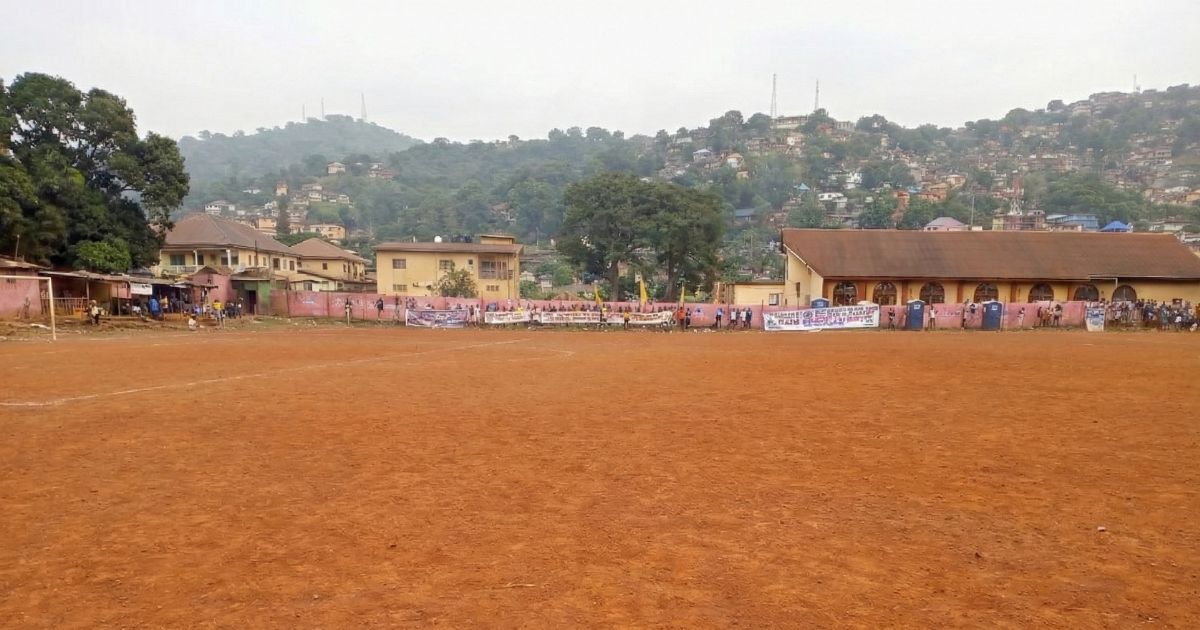
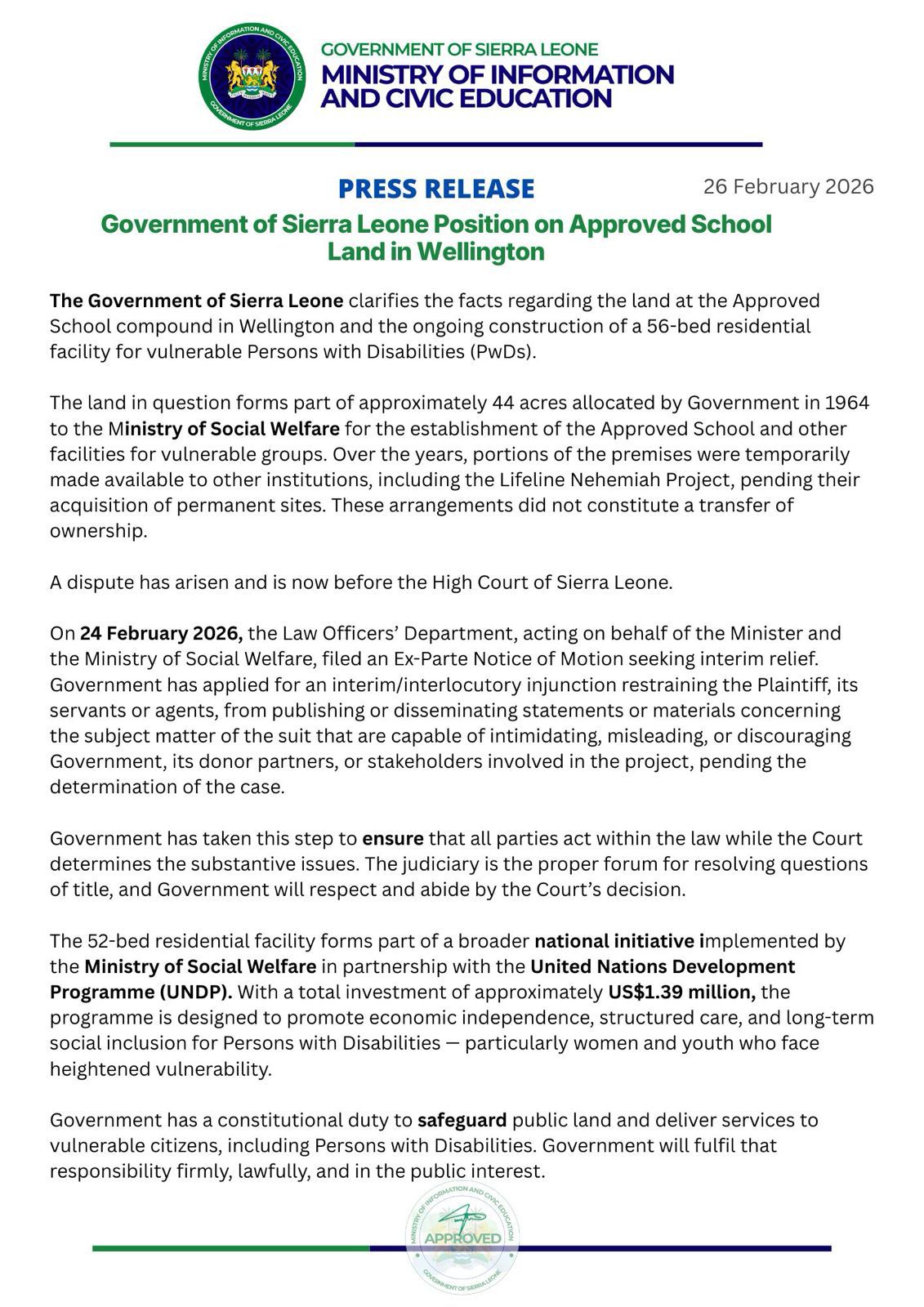
The Government of Sierra Leone has clarified its position regarding the disputed land at the Approved School compound in Wellington, where construction of a residential facility for Persons with Disabilities (PwDs) is ongoing.
In a press release issued on 26 February 2026, the Ministry of Information and Civic Education stated that the land forms part of approximately 44 acres allocated by the Government of Sierra Leone in 1964 to the Ministry of Social Welfare for the establishment of the Approved School and related facilities for vulnerable groups.
According to the statement, portions of the property were, over the years, temporarily made available to other institutions, including the Lifeline Nehemiah Project, pending their acquisition of permanent sites. The Government of Sierra Leone maintains that those arrangements did not amount to a transfer of ownership.
The matter is currently before the High Court of Sierra Leone following a dispute over the land. On 24 February 2026, the Law Officers’ Department, acting on behalf of the Minister and the Ministry of Social Welfare, filed an ex parte notice of motion seeking interim relief.
The Government of Sierra Leone has applied for an interlocutory injunction to restrain the plaintiff and associated parties from publishing or disseminating statements related to the case that it says could intimidate or mislead stakeholders while the matter is under judicial consideration.
Authorities say the move is intended to allow the court to determine the substantive issues without external interference, noting that questions of land title are properly settled through the judiciary. The Government of Sierra Leone has indicated it will abide by the court’s decision.
The disputed site is earmarked for a 52-bed residential facility as part of a broader national initiative led by the Ministry of Social Welfare in partnership with the United Nations Development Programme. The project, valued at approximately US$1.39 million, is designed to promote structured care, economic independence, and long-term social inclusion for persons with disabilities, particularly women and young people.
The Government of Sierra Leone further stated that it has a constitutional responsibility to safeguard public land and ensure services for vulnerable citizens, including persons with disabilities. It reaffirmed its commitment to act within the law and in the public interest as the case proceeds.