

 1 Comment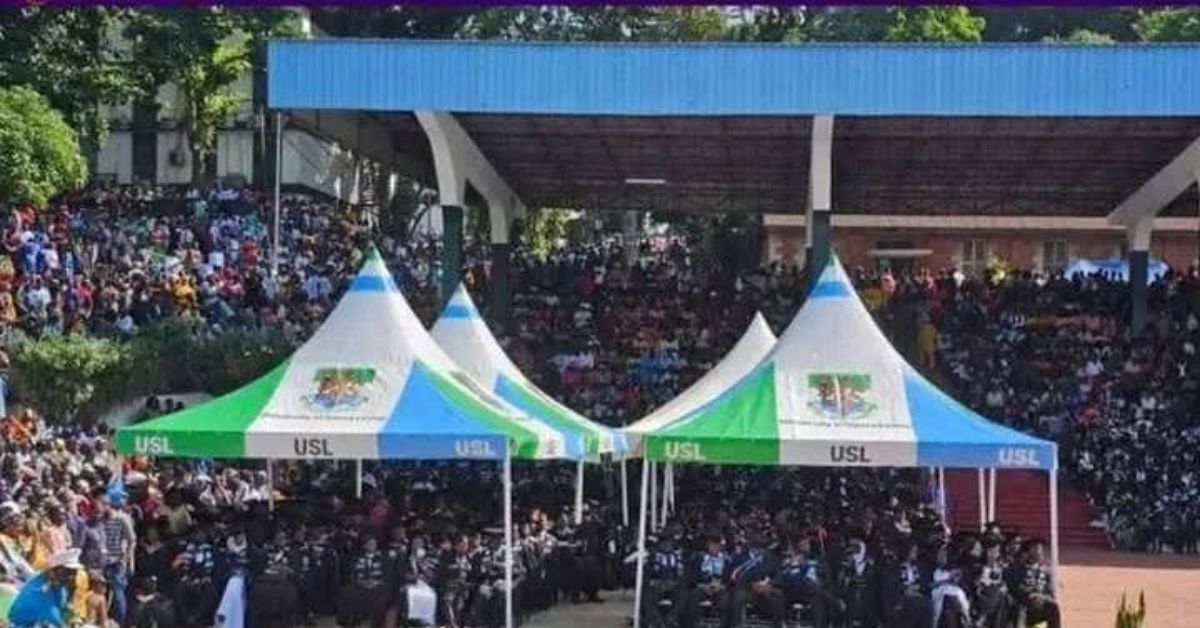
The University of Sierra Leone (USL) recently celebrated the graduation of 5,031 students across various fields, including its prestigious College of Medicine and Allied Health Sciences (COMAHS).
However, amidst the jubilation, there remains a sobering reality that threatens the country’s fragile medical sector: only 79 students graduated with a medical degree this year.
The number, while significant on paper, raises serious concerns about the country’s ability to meet the growing demand for healthcare professionals. The situation becomes even more alarming when considering the limited capacity of Sierra Leone’s health system, which is already struggling to cater to the needs of its population.
Despite the large graduation class, the medical graduates are stepping into a healthcare environment that can barely absorb the few professionals it already has.
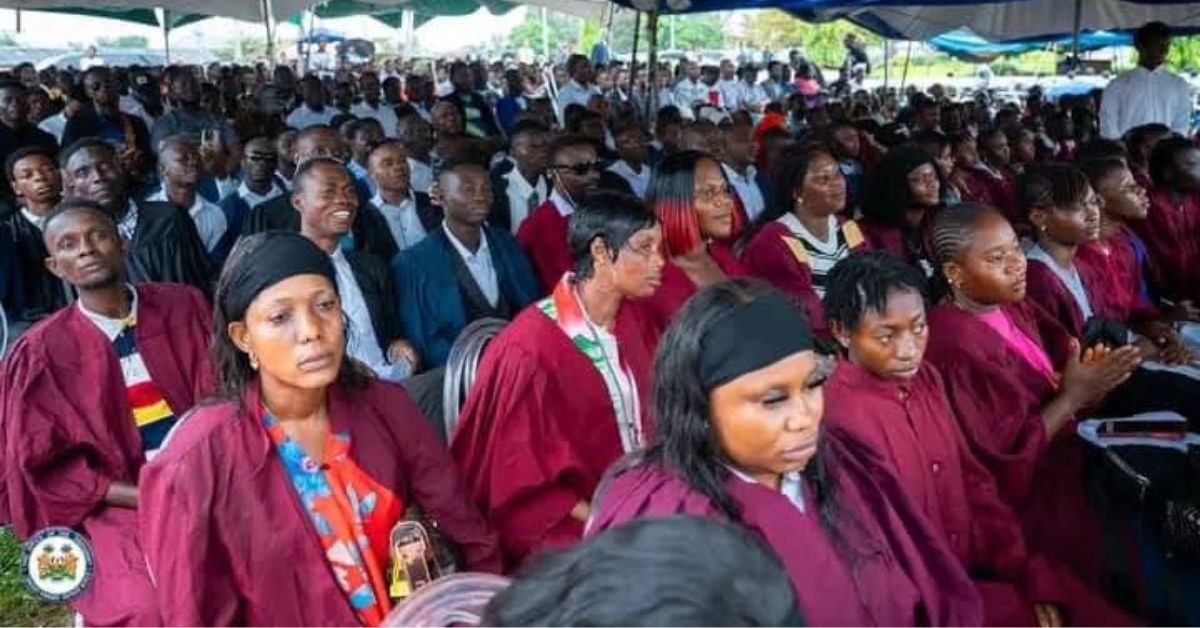
This imbalance, noted by advocators, highlights a mismatch between the education system and the actual needs of the country’s job market. Many of these newly minted medical graduates are now facing a future of uncertainty, with limited opportunities in a shrinking healthcare industry.
It is suggested that the core issue lies in Sierra Leone’s sluggish economic growth. As the country’s economy struggles to expand quickly enough to provide employment for its growing number of graduates, many students are left without jobs in their field. This disconnect is particularly stark in the healthcare sector, where the demand for skilled professionals far outweighs the available positions.
Each year, USL’s lecture halls are filled with students eager to pursue medical degrees, but the question remains: where are the jobs? The health system is reportedly not growing fast enough to accommodate the influx of graduates, and many young people who invest years of their lives in education end up stranded in a job market that cannot provide for them.
With more colleges set to graduate students in 2025, the issue becomes even more pressing. “Where are the jobs? How long will young people work hard, finish school, and still end up stranded?” said a local observer. These are questions that continue to hang in the air as the country faces the challenge of creating sufficient opportunities for its talented graduates.
The situation has sparked a broader debate about the role of government and the private sector in creating jobs, especially for the growing number of educated young people.
Advocates argue that the government needs to take urgent steps to address this issue, not out of political gain, but out of genuine concern for the future of Sierra Leone’s youth. “Sierra Leone is not short of smart, hardworking people. We are short of opportunities,” one expert remarked.


Indeed we are sort of opportunities and not experts. Like had been said in the concluding remarks , there should be a national dialogue between and among the universities the government and the private sector on job creation and requirements and the provision of the enabling environment to absorb graduates not only in medicine but other areas of specialities .