
APC’s Ibrahim Bangura’s Peace Study Links South Sudan Lessons to Sierra Leone’s Post-War Challenges
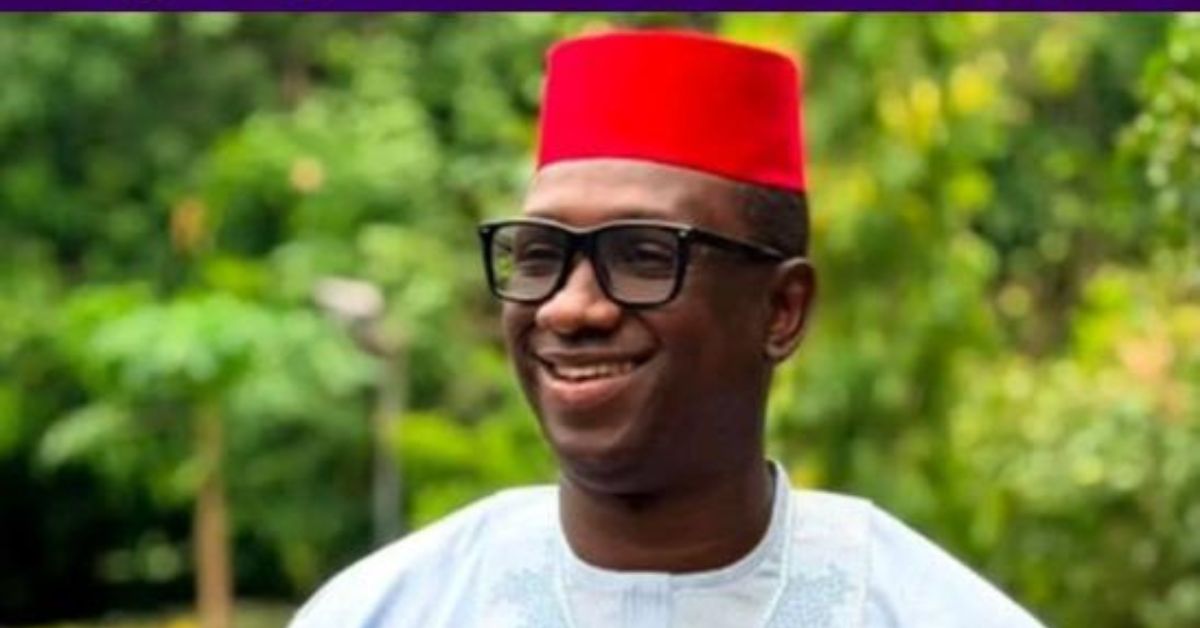
 Osman Tolo Sesay
 A recent analysis of Dr. Ibrahim Bangura’s publication Peace in Pieces: The Politics and Pitfalls of Peacemaking in South Sudan has highlighted key lessons on peacebuilding, drawing comparisons between the dynamics of South Sudan’s prolonged conflict and Sierra Leone’s post-war democratic experience.
The study examines the recurring collapse of peace agreements in South Sudan, arguing that elite-driven negotiations and externally influenced settlements often fail to address the underlying causes of conflict. According to Bangura, such arrangements tend to delay rather than resolve tensions, a phenomenon he describes as the “revolving-door syndrome,” where societies repeatedly cycle between conflict and fragile peace.
He further explores how militarised politics, exclusionary governance systems, and weak accountability structures contribute to long-term instability. The study notes that violence is often transformed rather than eliminated, becoming embedded within political and social systems over time.

“Violence is often reconfigured and not addressed, with it gradually institutionalised and normalised over the years,” the work observes.

The analysis links these findings to broader post-conflict contexts, including Sierra Leone, where the legacy of civil war continues to shape political trust, governance structures, and social cohesion. It argues that sustainable peacebuilding must go beyond political settlements and instead prioritize justice, inclusivity, and societal healing.
Bangura’s work emphasizes that peace processes should be people-centred, warning that transactional agreements among elites risk reproducing the same conditions that lead to renewed instability. It advocates for approaches rooted in accountability, institutional reform, and reconciliation as essential pillars of long-term stability.
The study also highlights the importance of locally driven peace initiatives, suggesting that solutions developed within affected communities are more likely to endure than externally imposed frameworks. It underscores the role of inclusive governance in addressing exclusionary political systems that often fuel grievances and conflict.
In addition, the work stresses the need for strong accountability mechanisms to combat corruption and elite impunity, while also integrating healing and reconciliation into post-conflict recovery processes to prevent the re-emergence of trauma and violence.
According to the analysis, Bangura’s research demonstrates a deep understanding of complex conflict environments, combining insights from international diplomacy with grassroots realities. It presents his approach as one that advocates institutional strengthening, inclusive governance, and evidence-based reforms as pathways to stability.
The study concludes by positioning Bangura’s scholarship as offering relevant lessons for fragile states such as Sierra Leone, where issues of mistrust, exclusion, and governance challenges continue to shape national development and democratic consolidation.