

 1 Comment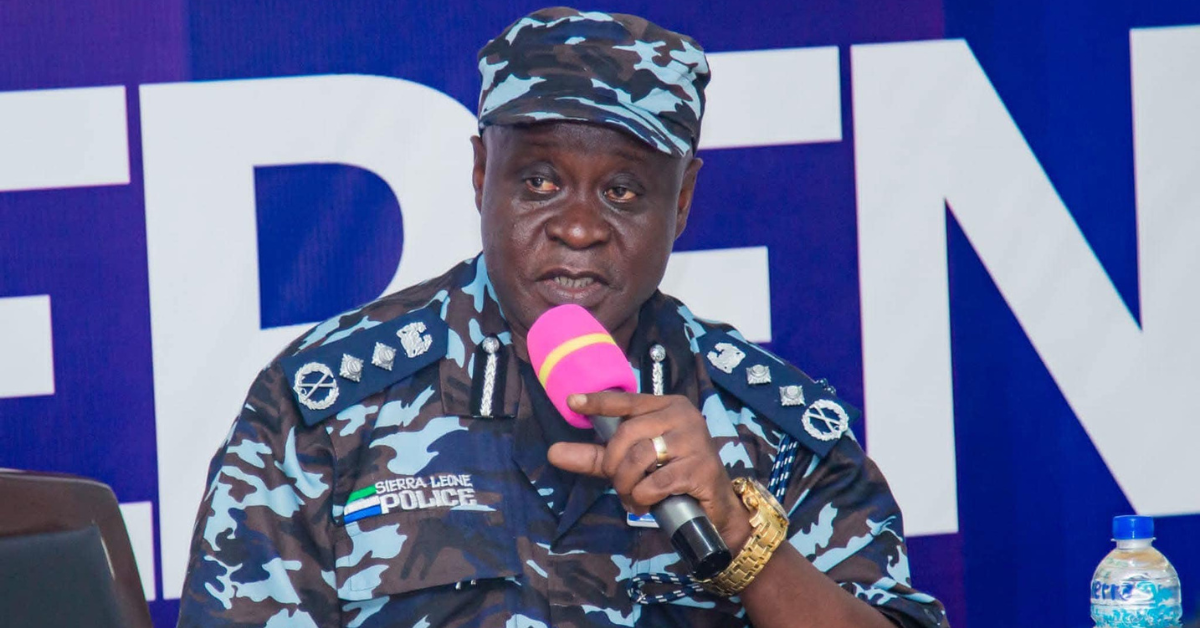
The Inspector General of Sierra Leone Police, William Fayia Sellu, has been appointed as the new Chair of the West African Police Chiefs Committee (WAPCCO). This appointment coincides with Sierra Leone’s recent assumption of the Chairmanship of the ECOWAS Authority of Heads of State and Government.
WAPCCO is a specialized institution within ECOWAS that brings together police chiefs from the organization’s fifteen member states. Its chairmanship traditionally aligns with the country holding the presidency of the ECOWAS Authority of Heads of State and Government.
As of June 22, 2025, President Julius Maada Bio of Sierra Leone assumed the chairmanship of ECOWAS’s highest authority. Consequently, IGP Fayia Sellu now also serves as the chair of WAPCCO, reinforcing Sierra Leone’s regional leadership role in security matters.
A celebration to mark President Bio’s new regional position was held on Saturday, June 28, 2025, at the State Lodge in Freetown. The event was attended by prominent figures from various sectors of society. During the ceremony, President Bio announced that, in his capacity as ECOWAS Chair, IGP Fayia Sellu would serve as the organization’s regional police leader.
WAPCCO plays a crucial role in fostering cooperation and information exchange among police forces across West Africa, including Mauritania. Its core objectives include crime prevention, combating cross-border crime, and developing regional strategies to address security threats such as organized crime, terrorism, and illicit trafficking.
The committee is closely linked to the West African Police Information System (WAPIS), an ECOWAS initiative supported by INTERPOL and funded by the European Union. WAPIS aims to create a secure, interoperable platform for sharing criminal data across the region.
WAPCCO benefits from a permanent secretariat within the ECOWAS Regional Security Division and operates through various technical sub-committees. Its overarching goal is to enhance regional police cooperation, improve the effectiveness of crime-fighting efforts, and adapt strategies to emerging threats. The committee also endeavors to inform national and regional authorities about crime trends and operational responses, thereby strengthening West Africa’s collective security.


Felicitations to IGP for his new appointment I may that God will grace him with wisdom to operate well on his office and bring Sierra Leone on the map again in Jesus’ name Amen