

IMF Commends Sierra Leone’s Economic Progress, Urges Revenue Reforms
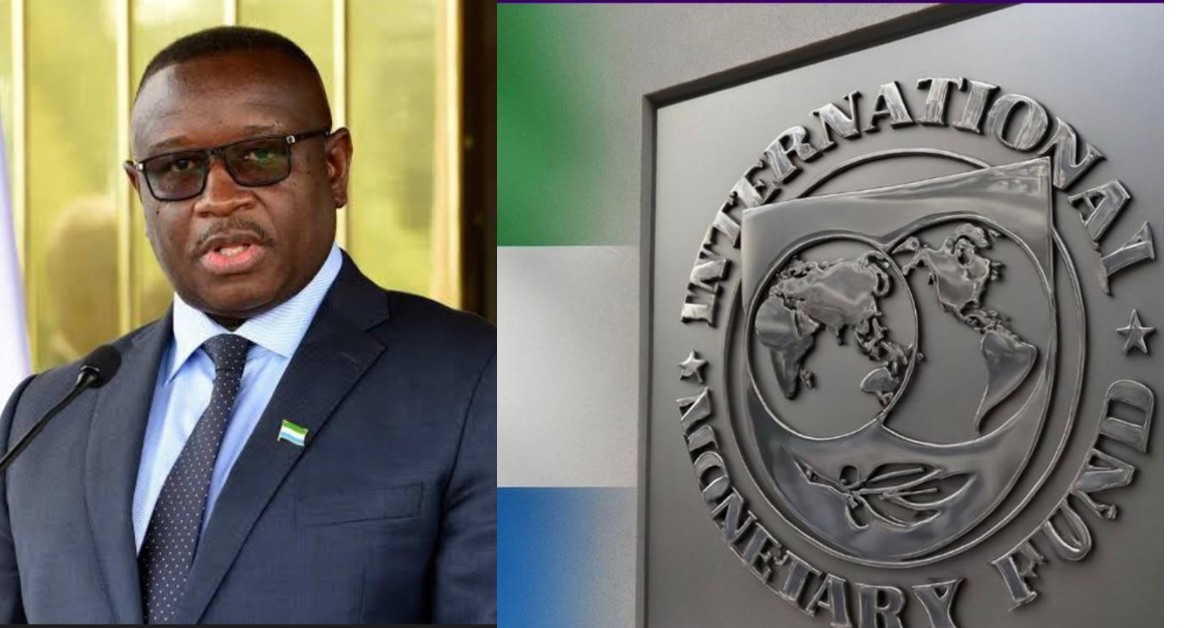
The International Monetary Fund (IMF) has commended Sierra Leone for making significant progress in strengthening its macroeconomic performance, while urging the Government to deepen revenue reforms and build greater resilience against external economic shocks.
The commendation was made by the newly appointed Director of the IMF’s African Department, Dr. Zeine Zeidane, during discussions on Sierra Leone’s economic reform programme. He highlighted notable improvements recorded in 2025, including declining inflation, a more stable exchange rate, the achievement of international reserve targets, and continued progress toward debt sustainability.
According to Dr. Zeidane, the gains reflect disciplined macroeconomic policies and effective implementation of the Government’s reform programme. However, he emphasized that maintaining economic stability alone will not be sufficient to secure long-term growth, stressing the need to strengthen domestic revenue mobilisation and enhance the country’s capacity to withstand future economic shocks.

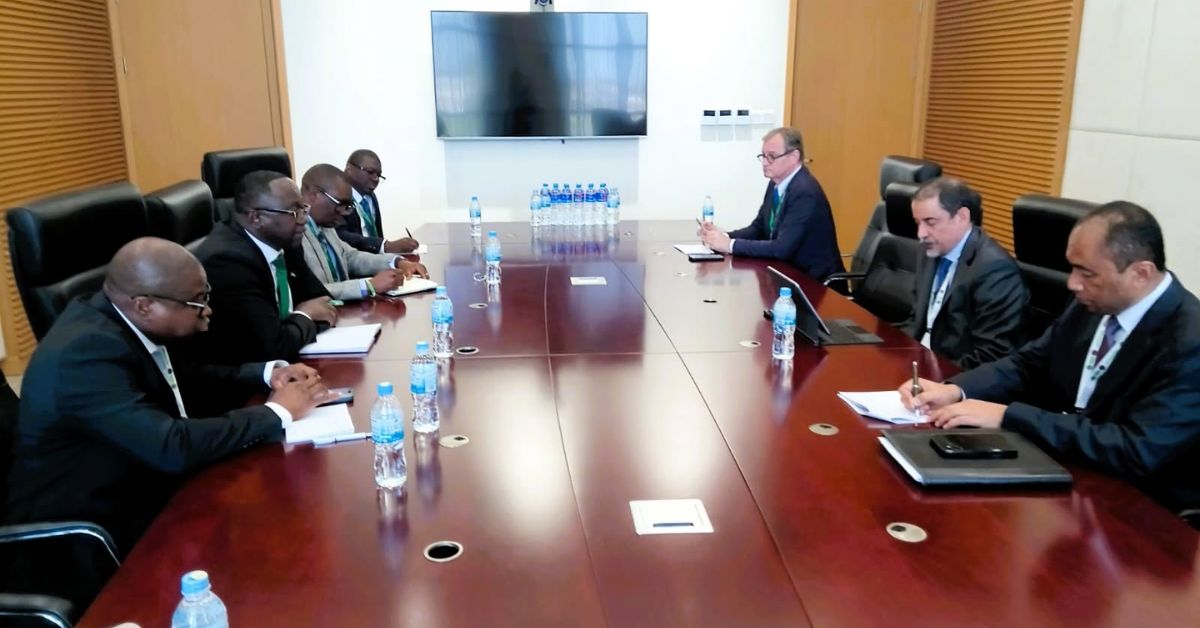


Responding to the IMF’s observations, Minister of Finance Sheku Ahmed Fantamadi Bangura acknowledged that there is still room to improve domestic revenue collection despite the progress made under the Medium-Term Revenue Strategy (MTRS) 2023–2027. He noted that the strategy has increased domestic revenue by approximately one percentage point of Gross Domestic Product (GDP) annually, but said further reforms are required to sustain that momentum.
The Finance Minister disclosed that the Government has requested additional technical assistance from the IMF to review and strengthen the Medium-Term Revenue Strategy. He said the support would help improve tax administration, broaden the tax base and enhance the formalisation of economic activities to increase sustainable domestic revenue.
The IMF also welcomed the Government’s commitment to safeguarding social spending while maintaining fiscal discipline under its economic reform programme. Dr. Zeidane noted that protecting investments in education, healthcare and other social services during fiscal consolidation would be essential for preserving social stability, while underscoring the need for greater efficiency and transparency in public expenditure.
Addressing global economic risks, the IMF official warned that ongoing geopolitical tensions, including the conflict in the Middle East, continue to pose significant challenges for small open economies such as Sierra Leone. He encouraged the Government to continue strengthening foreign exchange reserves and maintaining prudent fiscal policies to cushion the economy against external shocks, commodity price fluctuations and disruptions in global trade.
Dr. Zeidane further emphasized that sustained economic progress will depend on stronger institutions, improved public financial management, enhanced debt transparency and continued reforms in tax administration. He noted that the IMF remains committed to supporting Sierra Leone through technical assistance and policy advice to reinforce these reforms.
Minister Bangura reaffirmed the Government’s commitment to implementing the IMF-supported programme, stating that continued political support and sound economic management will be critical to expanding domestic revenue, improving public finances and sustaining economic growth.
The IMF’s assessment reinforces confidence in Sierra Leone’s recent economic reforms while highlighting the importance of strengthening institutional capacity and fiscal resilience to ensure that the country’s macroeconomic gains translate into sustainable and inclusive long-term development.