Post a comment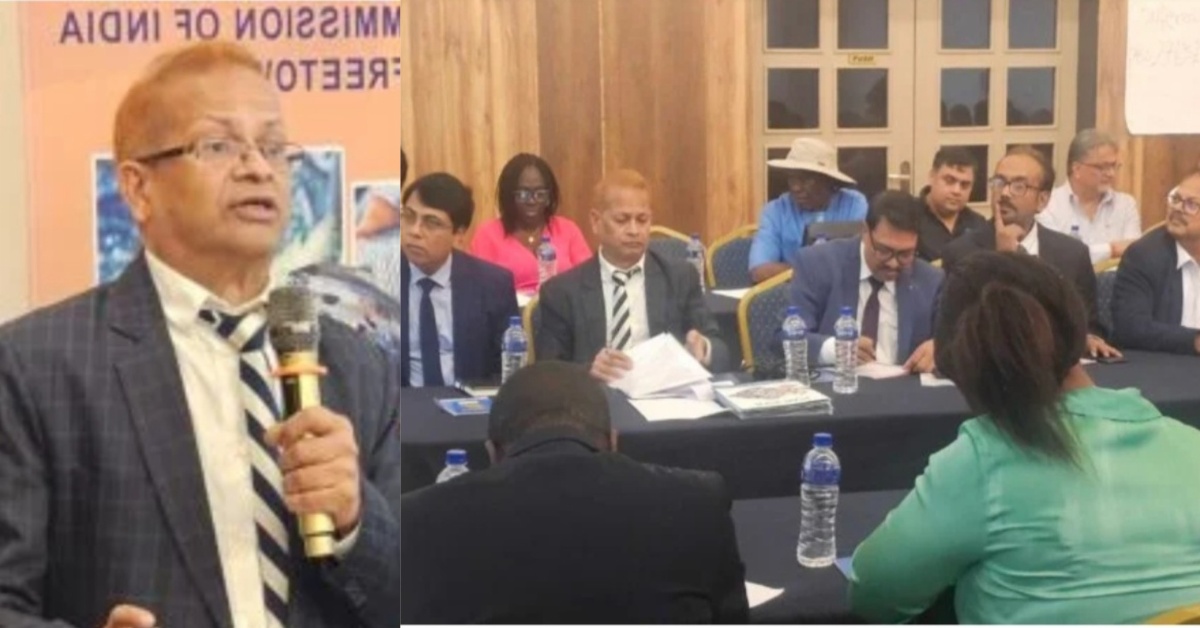
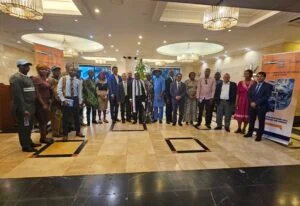
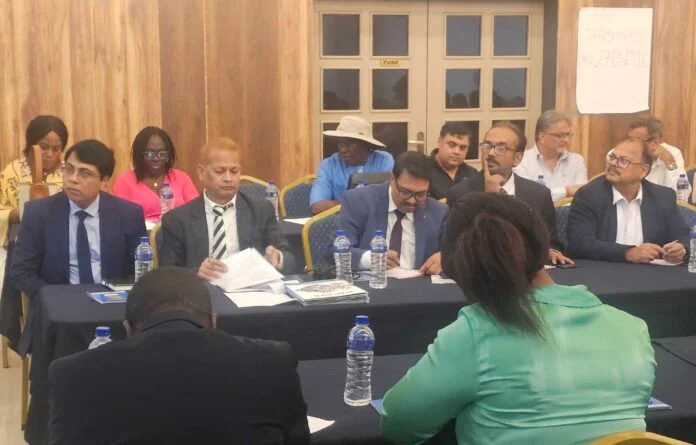
The High Commission of India in Freetown hosted the India–Sierra Leone Roundtable on Aquaculture and Fisheries on Monday, October 6, 2025, at the Country Lodge Hotel, Hill Station.
The forum brought together government officials, scientists, entrepreneurs, and international organizations to strengthen bilateral cooperation and explore strategies to advance Sierra Leone’s aquaculture sector.
India’s High Commissioner to Sierra Leone, B.C. Pradhan, highlighted over six months of collaboration with Sierra Leone’s Ministry of Fisheries and Marine Resources. He emphasized India’s expertise in aquaculture and agriculture, noting the country’s growth from famine to becoming a global leader in food production. Pradhan underlined the importance of capacity building, training, and technology transfer through programs like the Indian Technical and Economic Cooperation (ITEC). He also revealed that 37 Sierra Leonean students are currently pursuing fully funded scholarships in Indian universities, with more opportunities expected next year.
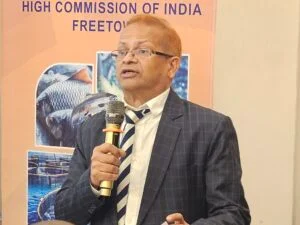
“Capacity building remains central to our cooperation,” said Pradhan, stressing aquaculture’s potential to complement Sierra Leone’s marine fisheries, create jobs, and enhance food security.
Sierra Leone’s Minister of Fisheries and Marine Resources, Princess Dugba, welcomed the collaboration, noting that the country’s marine fisheries yield is declining and that expanding aquaculture is essential for sustainable fish production. She encouraged Indian private-sector involvement in joint fish-farming projects, value-added processing, and infrastructure investments to strengthen the fisheries value chain.
Dr. Joykrushna Jena of the Indian Council of Agricultural Research (ICAR) emphasized that India’s success in aquaculture stems from research, breeding technology, and private-sector engagement. She assured participants that Indian expertise could be tailored to Sierra Leone’s context to build a modern, inclusive, and profitable aquaculture industry.
Sheku Sei, Director at Sierra Leone’s Ministry of Fisheries and Marine Resources, highlighted the country’s 570-kilometer coastline and 30,000 km² continental shelf rich in marine biodiversity. He stressed opportunities in inland aquaculture and mariculture, particularly oyster and shrimp farming, as well as potential for smallholder and large-scale operations to generate significant revenue and employment.
The roundtable concluded with a commitment to strengthen collaboration in research, training, and private investment, setting the stage for a robust aquaculture ecosystem that can transform Sierra Leone’s fisheries sector and contribute to national development.