

 Post a comment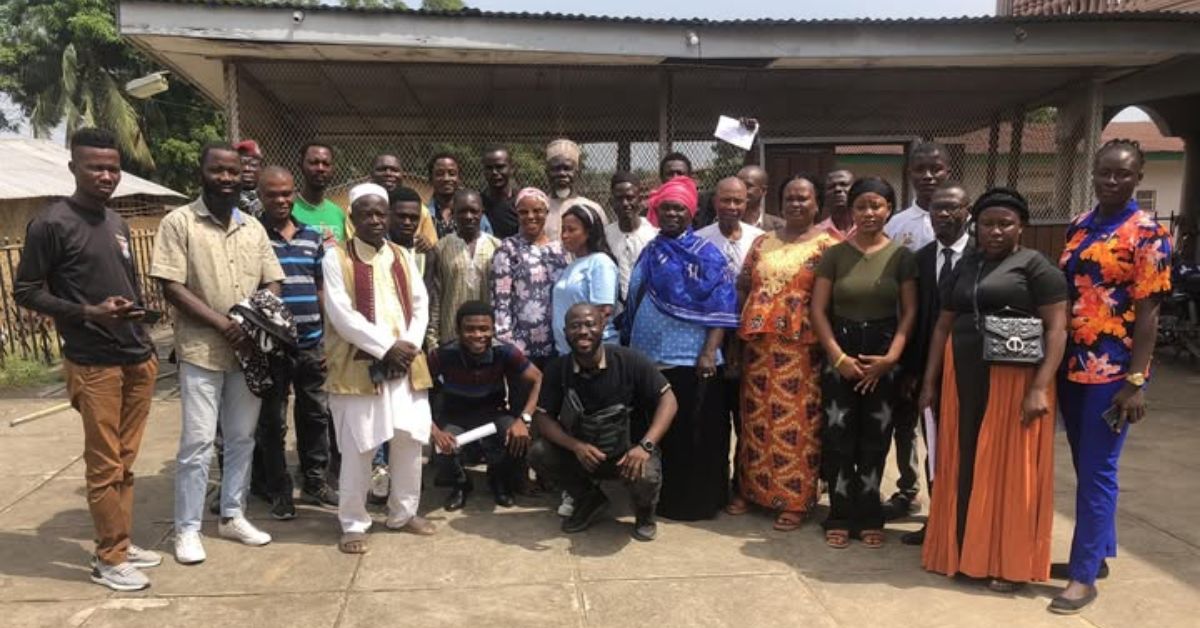
The Inter-Religious Council of Sierra Leone (IRCSL) held a one-day regional dialogue in Bo under CAFOD’s Empowering Inter-Faith Community Action Groups for Peace-Building and Inclusive Governance project.
The event brought together faith leaders, women, youth, paralegals, and community advocates from the Southern Region to promote peace, community cohesion, and collaboration between governance actors, faith institutions, and youth groups.
The dialogue aimed to build the capacity of faith leaders and young people to engage with governance structures and respond early to emerging tensions. Abu Bakarr Sesay, IRCSL-South Regional Coordinator, noted the initiative equips local actors with tools for prevention and mediation to reduce fragility and strengthen peaceful coexistence.
Rev. John Amadu Fornah highlighted the main drivers of violence economic inequality, corruption, political manipulation, weak rule of law, and unhealed civil war wounds and emphasized the moral authority of faith leaders in early warning, mediation, reconciliation, and national unity. The dialogue also stressed faith communities’ role in countering misinformation, supporting youth empowerment, addressing socio-economic grievances, and fostering interfaith unity.
Youth engagement was a key focus, with participants encouraged to lead in digital peacebuilding, community development, peer-to-peer sensitization, and promoting political tolerance. Intergenerational dialogue was emphasized as a means to channel youth energy toward constructive civic engagement and non-violent solutions.
Paralegal Joseph Ndanema reflected on Sierra Leone’s history of Christian-Muslim harmony as a model for national and international stability, while participants shared experiences of promoting unity at the community level, highlighting women’s role in conflict prevention and youth advocacy for peaceful elections.
The dialogue reaffirmed IRCSL’s commitment to empowering faith and youth leaders, with expected outcomes including enhanced community participation, early warning mechanisms, and improved trust among religious and civic groups.
Stakeholders recommended actionable measures such as community-based early warning teams, youth-led digital peace campaigns, and women-led mediation networks.


