

 1 Comment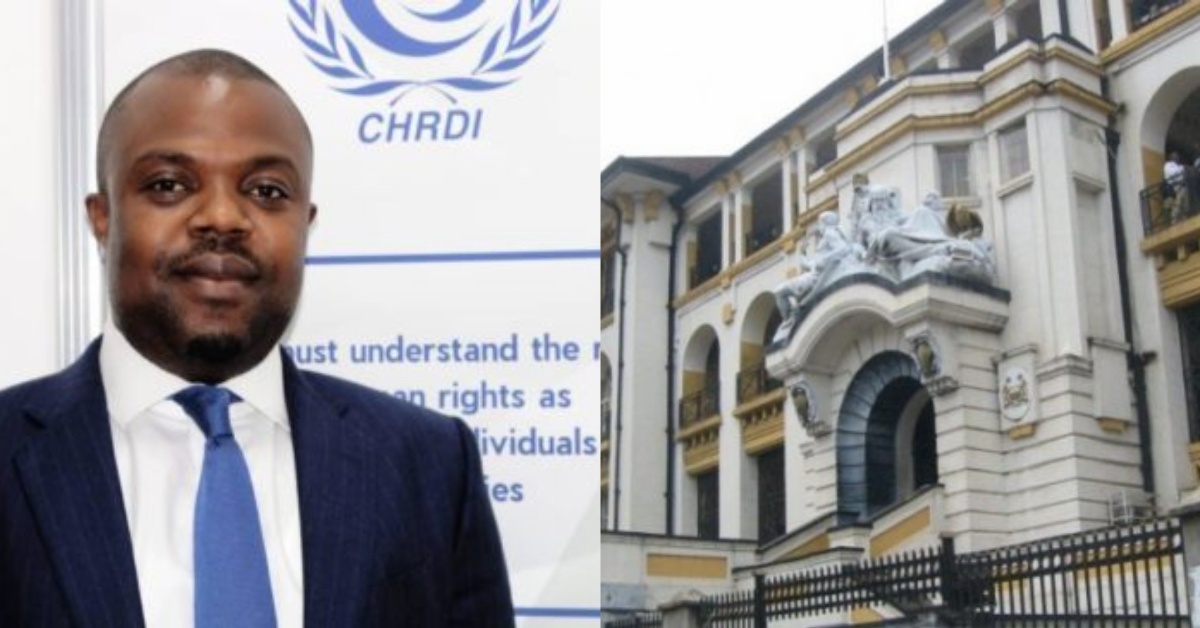
The Campaign for Human Rights and Development International (CHRDI) has raised serious concerns over persistent delays and systemic failures within Sierra Leone’s judicial system, particularly in the handling of appeal cases arising from the 2018 Commissions of Inquiry (COIs).
In 2018, President Julius Maada Bio established three Commissions of Inquiry to investigate alleged corruption under previous administrations. The final reports of the COIs were submitted in March 2020, with provisions allowing individuals found culpable to appeal the decisions through the courts.
However, seven years after the establishment of the COIs—and nearly five years after the submission of their final reports—CHRDI says a significant number of appeal cases remain unresolved or poorly documented at the Appeals and Supreme Courts. According to the organisation, these prolonged delays have eroded public confidence in the judiciary and raised serious questions about judicial efficiency, accountability, and respect for the rule of law.
CHRDI describes the country’s judicial system as being in crisis, citing endemic challenges including corruption, inadequate resources, weak record management, lack of transparency, and declining commitment to human rights protection. Despite repeated reform efforts, the organisation notes that inefficiencies persist, compounded by longstanding allegations of corruption within the judiciary, including accusations involving senior officials and the suspension of some staff over related offences.
In September 2023, the leadership of the judiciary issued a notice instructing judges handling COI-related matters to conclude all cases by mid-October 2023. CHRDI says this directive has not been fully complied with.
Seeking accountability, CHRDI formally invoked the Right to Access Information Act (2013) on August 21, 2025, requesting detailed updates on COI cases handled between 2021 and 2025. Following what the organisation described as initial reluctance by the judiciary, partial documents were eventually produced.
On September 23, 2025, CHRDI filed a formal complaint with the Right to Access Information Commission (RAIC), citing the judiciary’s failure to comply with the law. Subsequently, on October 9, 2025, the RAIC wrote to the judiciary, granting a seven-day deadline for the submission of the requested information and warning that non-compliance could result in legal action under the 2013 Act.
CHRDI disclosed that the judiciary failed to meet the deadline and, on November 28, 2025, sought an extension from the RAIC, citing a provision that does not exist in the Right to Access Information Act. Eventually, on December 17, 2025, the judiciary submitted partial information covering 108 COI appeal cases across three appellate panels.
A review of the documents by CHRDI revealed major discrepancies and inaccuracies, including 38 cases marked as “No Record,” representing about 35 percent of the files, and three additional cases with incomplete records. The organisation says the absence of proper documentation in appellate matters raises serious concerns about fair hearing guarantees, record management practices, and the integrity of judicial processes.
According to the summary of judgments provided, the outcomes of COI appeal cases are as follows:
- 2025: 2 appeals allowed, 1 dismissed
- 2024: 3 appeals allowed, 1 dismissed
- 2023: 5 appeals allowed, 4 dismissed, 1 dismissed for want of prosecution
- 2022: 3 appeals allowed, 3 dismissed
- 2021: 8 appeals allowed, 3 dismissed
CHRDI described the judiciary’s overall response as insufficient and lacking transparency, warning that delays in justice undermine court judgments, prolong anxiety among litigants, and risk the deterioration of evidence, ultimately affecting citizens’ rights.
Speaking on the issue, CHRDI Chief Executive Abdul M. Fatoma warned that continued inaction could have grave consequences for the rule of law. “The judiciary’s failure to address these issues will undermine the rule of law and diminish citizens’ right to timely justice,” he said. “When corruption penetrates the judicial system, it compromises the fundamental principle of fairness for all individuals.”
Fatoma further stressed that judicial independence is incompatible with corrupt practices, noting that corruption becomes even more dangerous when it is enabled or tolerated by higher authorities, creating an environment that encourages further abuse.
CHRDI has called for bold, honest, and comprehensive judicial reforms, backed by full financial commitment from the government, to restore public trust and confidence in Sierra Leone’s justice system and ensure timely and fair access to justice for all citizens.


Where is Chief Justice Kamamda in all of these. Can he act now and further restore the integrity of the judiciary