

 1 Comment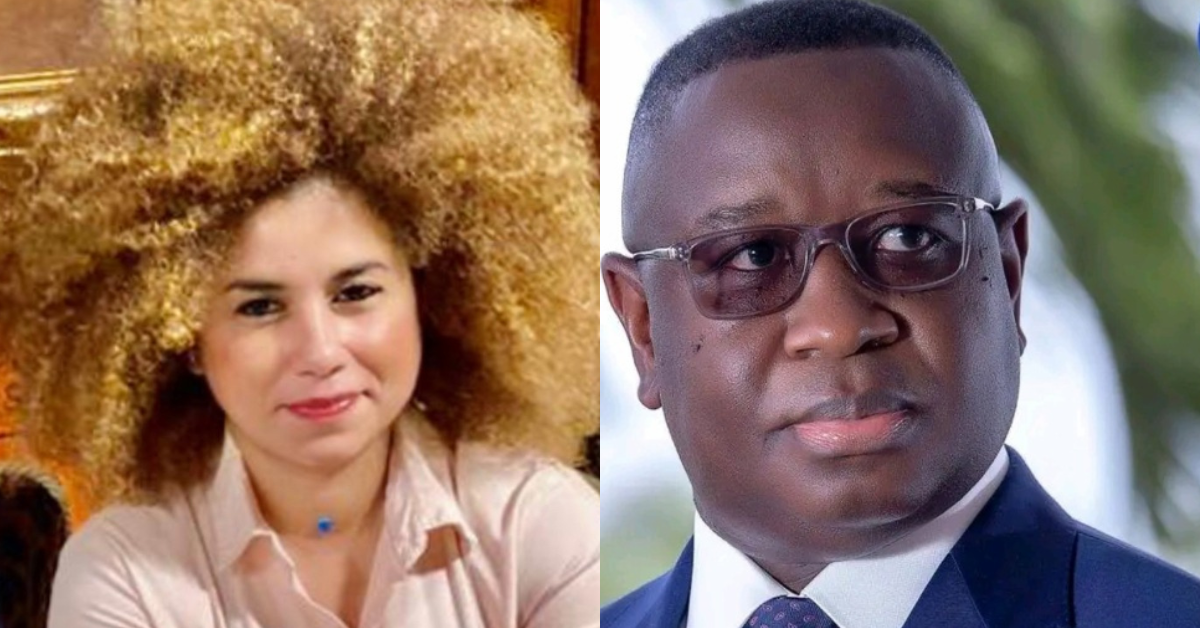
Prominent Lawyer Basita Michael has expressed her support for President Julius Maada Bio’s recent statement addressing the issue of land grabbing in Sierra Leone.
She described the President’s remarks as a “positive and commendable step,” emphasizing that land grabbing has affected communities across the nation for years, affecting Sierra Leoneans under various administrations.
Michael highlighted that citizens have long suffered from the issues of land grabbing and have voiced their concerns repeatedly. She noted that the President’s personal involvement in this issue indicates a deeper systemic problem, that institutions designed to address such matters are not functioning as they should.
In her commentary, Michael raised critical questions about the effectiveness of existing institutions, including the Land Commission, the Anti-Corruption Commission, the Office of the Ombudsman, the Judicial and Legal Service Commission, and parliamentary oversight committees. Each of these bodies is legally empowered to investigate wrongdoing and take appropriate actions when culpability is found.
She posed the following questions: “Why is it that institutions meant to protect citizens seem unable or unwilling to act? Why have these oversight and accountability bodies not been effective? Are these institutions becoming redundant?” Michael stressed the necessity for a national dialogue to address these concerns and to seek clear and honest explanations.
While acknowledging the President’s good intentions, she emphasized that effective governance is not solely defined by only executive action. Instead, it is characterized by the strength and efficacy of institutional frameworks.
For a sustainable solution to the land grabbing crisis, Michael hopes that President Bio’s expression of resolve will be accompanied by concrete actions and reforms aimed at restoring institutional credibility and functionality. She concluded with a call for collective efforts to strengthen the mechanisms that uphold justice and protect citizens’ rights in Sierra Leone.


The situation of our country rest on one person and that person is our President. He wheeled a lot of power and it takes a courageous President to want to change our situation and to pull the strings to effect that change. It is not impossible, it can be done if the willingness is there.
With the sounds coming from the President, I hope he has seen the light, it is not too late, he can salvage the situation and leave our country, as he found it, that is all we ask for.
There is hope.