

Youth Minister Urges Global Action on Youth Development at ECOSOC Forum
 Aminata Koroma
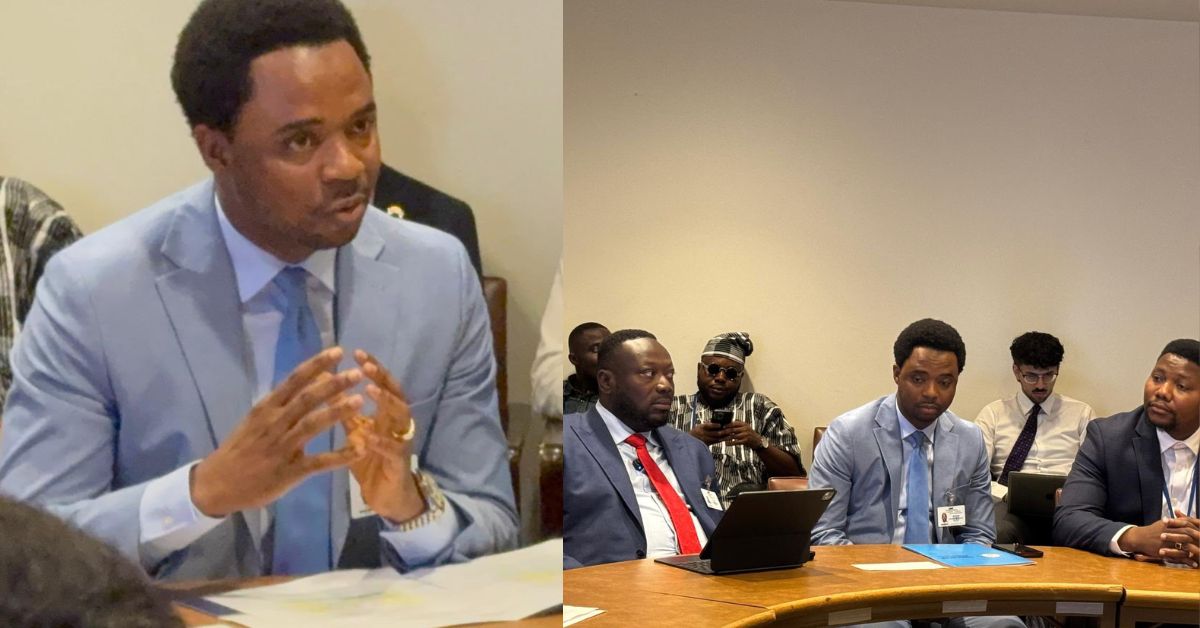
 The Minister of Youth Affairs, Ibrahim Sannoh, has issued a strong call for global leaders to shift from pledges to practical action in advancing youth-led development, warning that progress on the Sustainable Development Goals (SDGs) will remain limited without meaningful investment in young people.
Speaking at a high-level side event during the 2026 ECOSOC Youth Forum, the Minister urged governments, development partners, and international organizations to prioritize tangible support systems that enable youth participation beyond policy discussions.
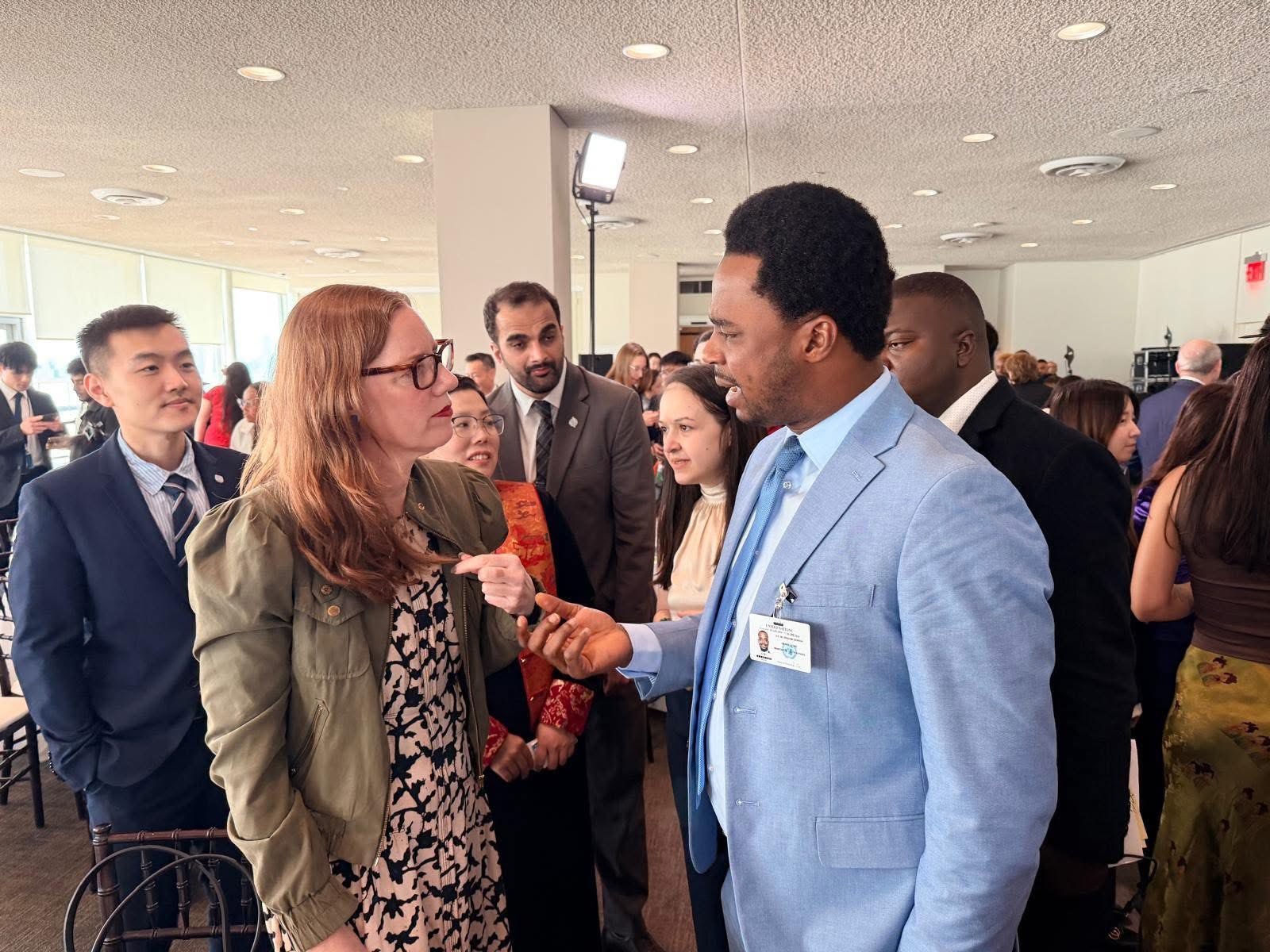
The event, convened by the Commonwealth Youth Council in collaboration with the Governments of Sierra Leone and Ghana, alongside UNESCO, brought together a diverse group of policymakers and youth leaders to examine ways of accelerating youth engagement in sustainable development.

In a message that resonated strongly with participants, the Minister challenged the prevailing narrative that positions young people as passive beneficiaries. Instead, he stressed that youth must be recognized as central actors in development processes.


“When young people are empowered, equipped, and included, development accelerates,” he said, while cautioning that systemic barriers-such as limited access to education, digital resources, and decision-making platforms-continue to hinder their full participation.
The Minister’s remarks placed accountability at the center of the global youth agenda, emphasizing that commitments must be backed by structured programs and measurable outcomes. He outlined key priorities, including expanding inclusion for marginalized groups, strengthening skills development, and building sustainable partnerships.
Particular attention was given to the need for long-term investment in youth capacity. The Minister called for a transition away from short-term volunteer initiatives toward structured programs that provide training, mentorship, and accredited learning opportunities. Such efforts, he noted, are essential for enabling young people to contribute meaningfully across sectors including education, healthcare, climate resilience, and economic development.
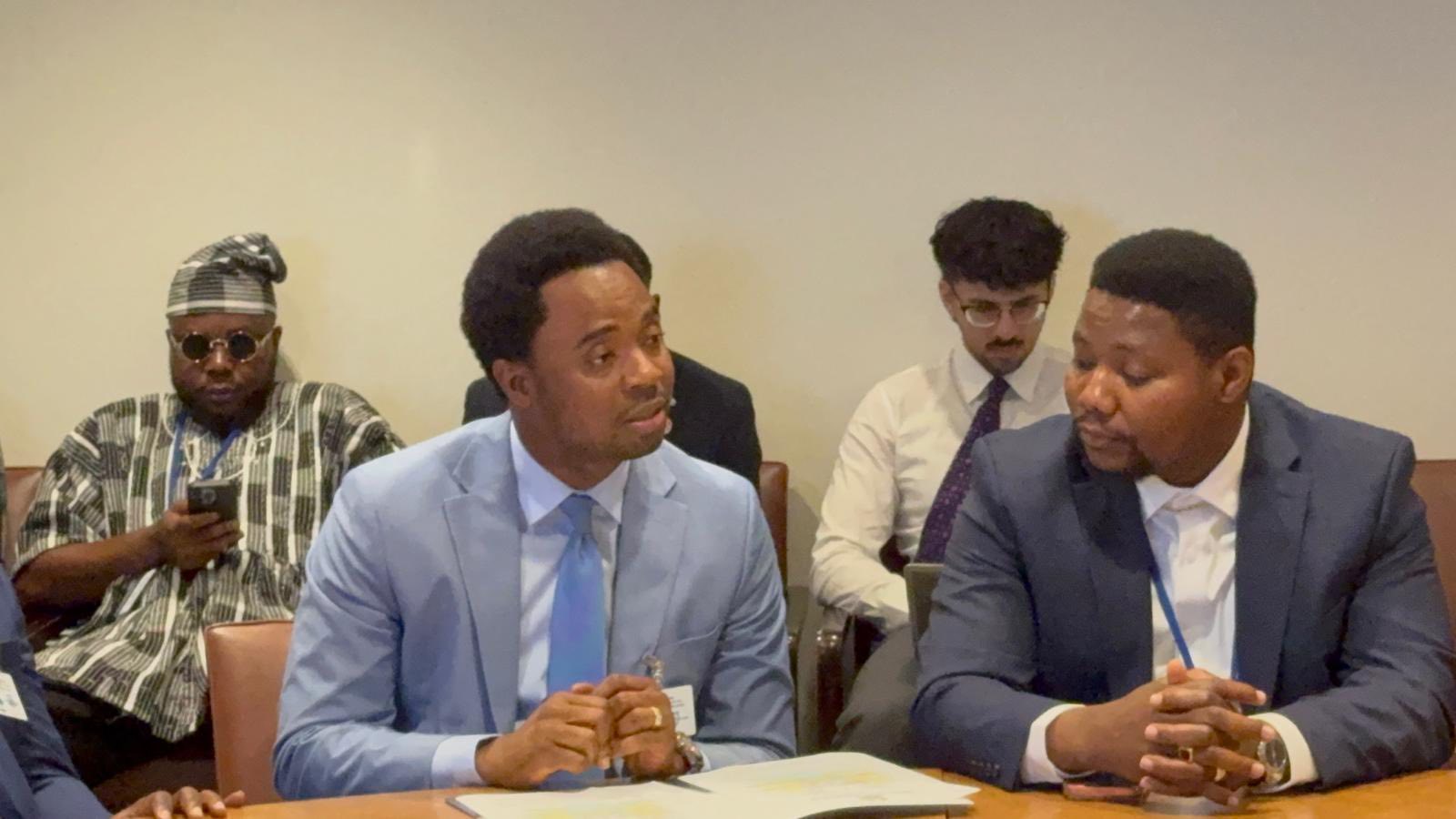
He further underscored the importance of collaboration, urging stakeholders to establish predictable funding mechanisms, supportive legal frameworks, and transparent monitoring systems to ensure that youth-focused initiatives deliver lasting impact.
As part of efforts to translate commitments into action, the Minister announced a new initiative designed to mobilize young volunteers across key sectors. The program aims to produce measurable results in education, healthcare delivery, climate-affected communities, and peacebuilding.
However, he warned that initiatives alone will not guarantee success without sustained political will and genuine inclusion of young people in decision-making processes.
In a direct message to youth participants, the Minister encouraged continued advocacy and engagement, urging them to hold leaders accountable and actively contribute to shaping policies.
“Your voice matters… your leadership is the lever of change,” he said.
The address concluded with a broader call for stakeholders to move decisively “from promise to progress,” reinforcing the urgency of aligning global commitments with concrete action.