

HRCSL Report Exposes Weak Enforcement of Sexual Offences Laws
 Osman Tolo Sesay
 The Human Rights Commission of Sierra Leone (HRCSL) has raised concerns over weak enforcement of the country’s Sexual Offences Law, describing its implementation as only “partially effective” despite ongoing institutional and legal reforms.
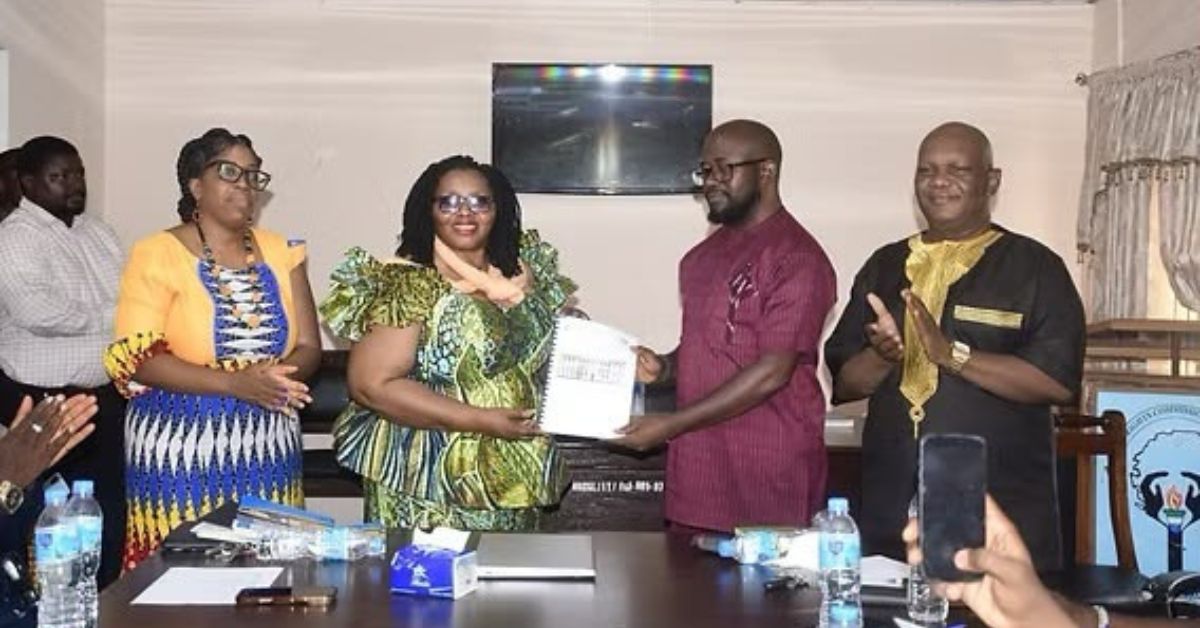
The concerns were contained in the Commission’s 2020–2024 Status Report, which was presented to Parliament on 10 June. The report acknowledges progress made in establishing Sexual Offences Model Courts, One-Stop Centres, a national 116 toll-free hotline, and referral mechanisms for survivors of sexual and gender-based violence. However, it stresses that significant gaps continue to undermine effective enforcement of the law.
The report indicates that sexual and gender-based violence remains a serious national concern. Data cited from the Rainbo Initiative shows 2,771 cases recorded in 2024, including 2,607 cases of sexual assault. The figures reportedly increased to 3,055 cases in 2025, with women and girls accounting for the vast majority of survivors.

HRCSL Chairperson Patricia Narsu Ndanema told Parliament that key provisions of the Sexual Offences (Amendment) Act 2019 — including the establishment of a national forensic laboratory and a sex offenders’ registry — are yet to be fully implemented. She noted that these shortcomings continue to weaken investigations and limit successful prosecutions.

The report further highlights critical challenges, including shortages of trained investigators, prosecutors, survivor support services, and safe shelters, particularly outside urban centres, which continue to hinder access to justice for victims.
While Sierra Leone has strengthened its legal framework on sexual violence, the Commission concluded that enforcement remains the weakest link, as institutional capacity and resources have not kept pace with reforms.
The findings have renewed calls for urgent government action to ensure that existing laws are fully implemented and translated into effective protection and justice for survivors of sexual violence.